Sicyos polyacanthus
Cogn.
Bur cucumber
gbif· cc-by-nc
Field Museum of Natural History - Botany Department
gbif· cc-by-nc
Rapid Reference Collection (RRC) | Field Museum of Natural History - Keller Science Action Center
Description
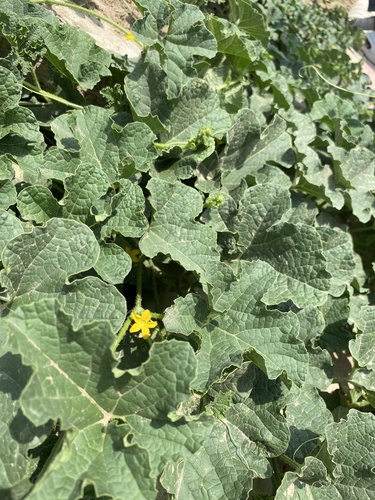
A climbing herb. It is a pumpkin family plant. It grows each year from seeds. It is a climber. It can be 4-10 m long. The male and female flowers are separate on the same plant. The fruit are 1 cm long with one large seed.
Edible Uses
A starch is extracted from the plant. The fruit can be eaten but requires special processing.
Traditional Uses
The fruit is a strong purgative. The sap of the plant irritates the skin. They should not be eaten without special processing. A starch is extracted from the plant.
Medicinal Uses
The fruit has traditionally been used as a strong purgative.
Known Hazards
The fruit should not be eaten without special processing. The plant sap irritates the skin.
Distribution
It is a tropical plant. It grows in woodland and wooded grassland. It grows between 950-1,550 m above sea level. It can grow in arid places.
Where It Grows
Africa, Angola, Argentina, Bolivia, Brazil, Central Africa, Central America, East Africa, Ethiopia, Kenya, Panama, Paraguay, South America*, Tanzania, Uruguay,
Also Known As
Po-de-mico, Porongo bravo, Tupe, Tupulo, Tupulo del monte
References (4)
- Asfaw, Z. and Tadesse, M., 2001, Prospects for Sustainable Use and Development of Wild Food Plants in Ethiopia. Economic Botany, Vol. 55, No. 1, pp. 47-62
- Edwards. S., et al, (Eds), 1995, Flora of Ethiopia and Eritrea. Vol.2, Part 2 Canellaceae to Euphorbiaceae. Uppsala, Sweden. p 59
- Malezas Comestibles del Cono Sur, INTA, 2009, Buernos Aires
- Royal Botanic Gardens, Kew (1999). Survey of Economic Plants for Arid and Semi-Arid Lands (SEPASAL) database. Published on the Internet; http://www.rbgkew.org.uk/ceb/sepasal/internet [Accessed 16th April 2011]
More from Cucurbitaceae
Cucumis melo momordica - (Roxb.)Duthie.&J.B.Fuller.
Snap Melon
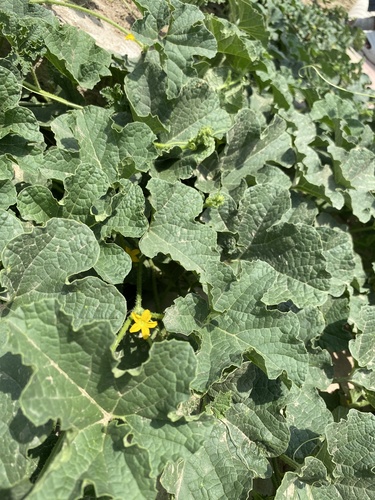
Cucumis melo subsp. agrestis
Early melon, Native gooseberry, People's melon
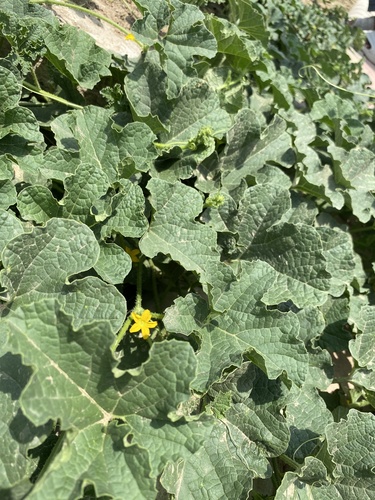
Cucumis melo var. agrestis
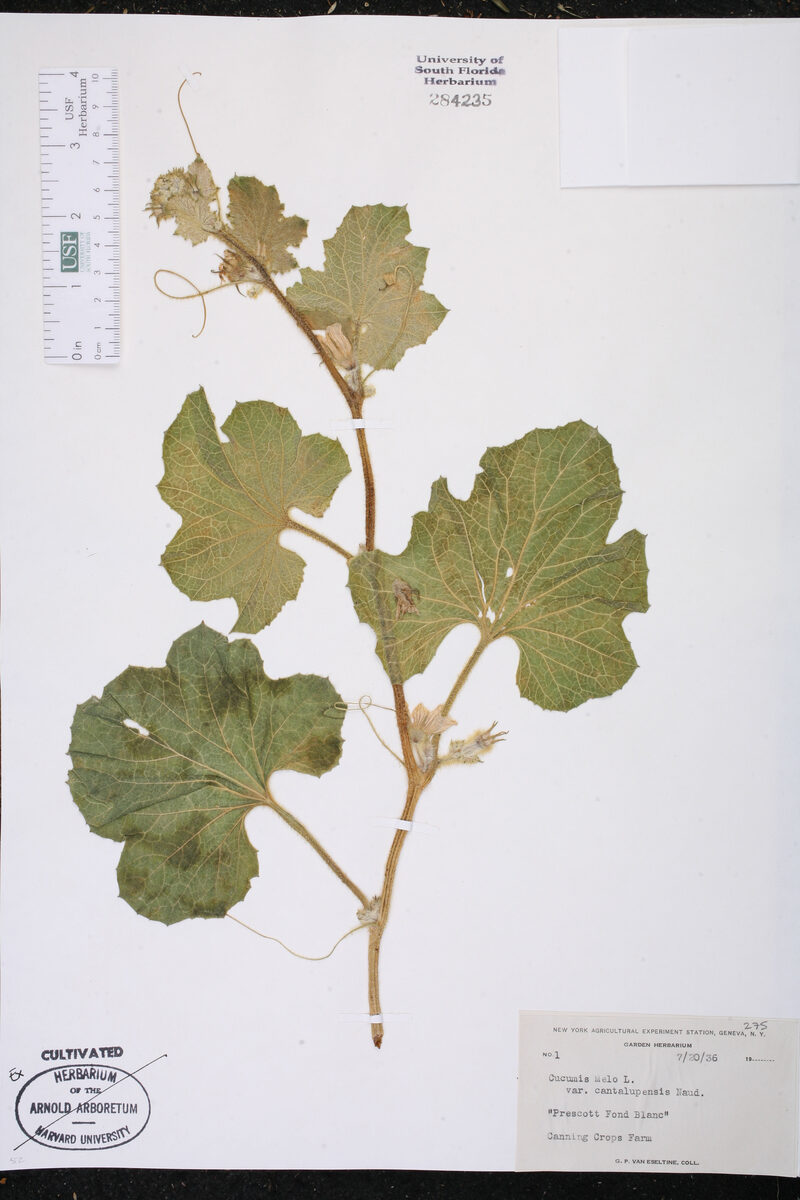
Cucumis melo var. cantalupensis
Musk melon, Cantaloupe, Rock melon
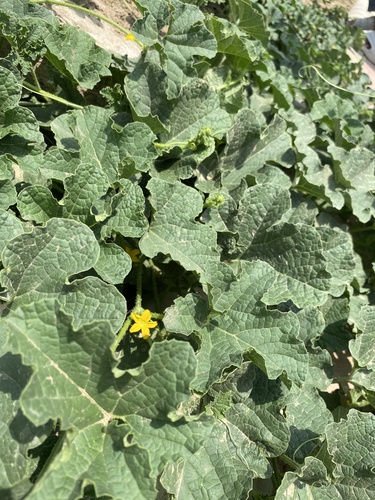
Cucumis melo var. chito
Dudaim melon, Garden-lemon, Mango melon, Melon-apple, Orange melon
Cucumis melo var. conomon
Oriental pickling melon, Tea melon