Neopallasia pectinata
(Pall.) Poljakov
Tagasha
iNaturalist· cc-by-nc
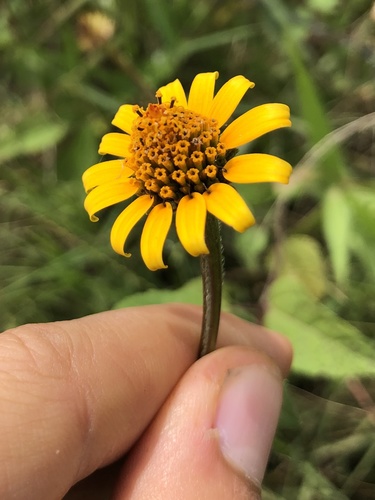
(c) Андрей Беспалов, some rights reserved (CC BY-NC), uploaded by Андрей Беспалов
iNaturalist· cc-by-nc
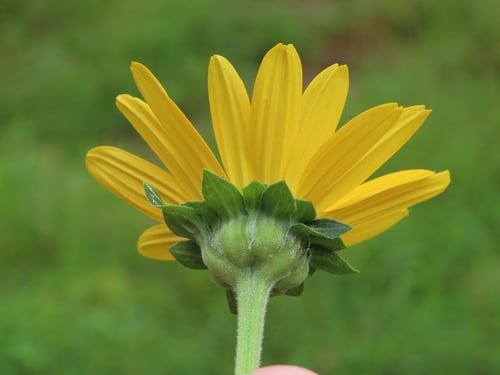
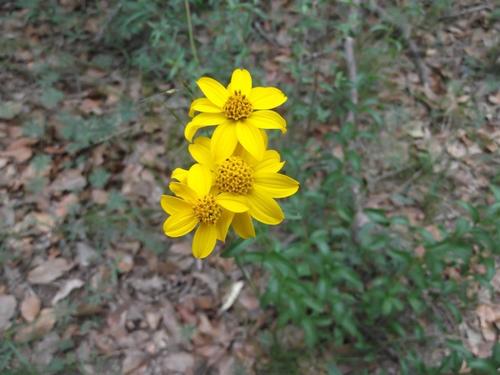
(c) Lorenzo Cecchi (https://orcid.org/0000-0001-9706-0947), some rights reserved (CC BY-NC)
iNaturalist· cc-by-nc
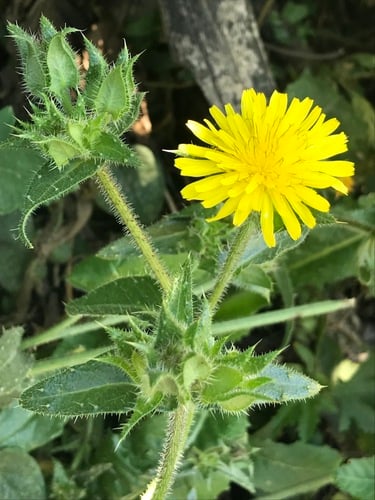
(c) Aleksandr Ebel, some rights reserved (CC BY-NC)
Description
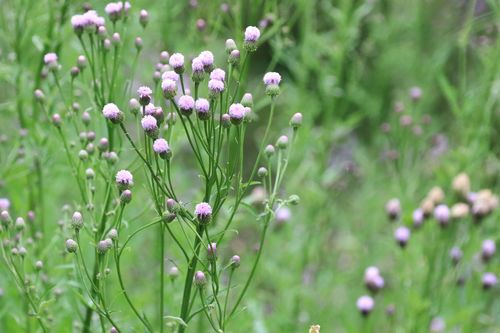
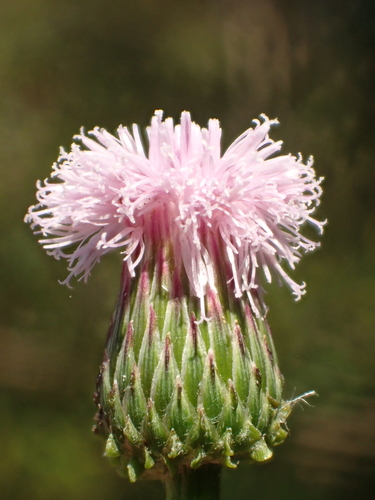
A herb. It grows 12-40 cm tall. The stems are purplish with white hairs. The lower leaves do not have stalks. The leaves are oblong and 2-3 cm long by 1 cm wide. They are divided into narrow segments. The flowers are in several small heads. The seeds are brown, narrowly oval and 1.5 mm long.
Edible Uses
The seeds are eaten as a grain.
Traditional Uses
The seeds are eaten as a grain.
This uses section is brief — help expand it
Distribution
It is a temperate plant. It grows in deserts, gravelly places and wastelands between 1,300-3,400 m above sea level.
Where It Grows
Asia, Central Asia, China, Kazakhstan, Mongolia, Russia, Tajikistan, Tibet,
Notes
There is only one Neopallasia species.
Synonyms
References (3)
- https://en.wikipedia.org/wiki/List of wild edible plants in Mongolian cuisine (As Artemisia pectina)
- Khasbagan, Hu-Yin Huai, and Sheng-Ji pei, 2000, Wild Plants in the Diet of Athorchin Mongol Herdsmen in Inner Mongolia. Economic Botany 54(4): 528-536
- Urgamal, M., Oyuntsetseg, B., Nyambayar, D. & Dulamsuren, Ch. 2014. Conspectus of the vascular plants of Mongolia. (Editors: Sanchir, Ch. & Jamsran, Ts.). Ulaanbaatar, Mongolia. “Admon“ Press. 334pp. (p. 199-230).