Symphyotrichum novae-angliae
(L.) G. L. Nesom
New England aster
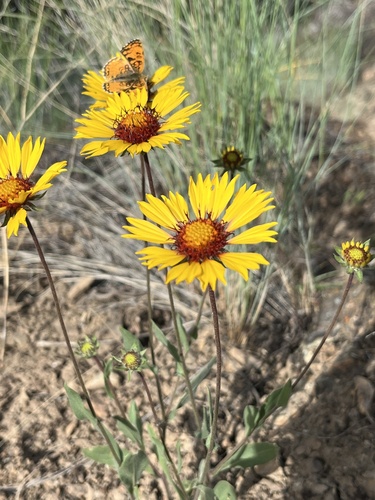
iNaturalist· cc-by-nc
(c) musicmanz, some rights reserved (CC BY-NC), uploaded by musicmanz
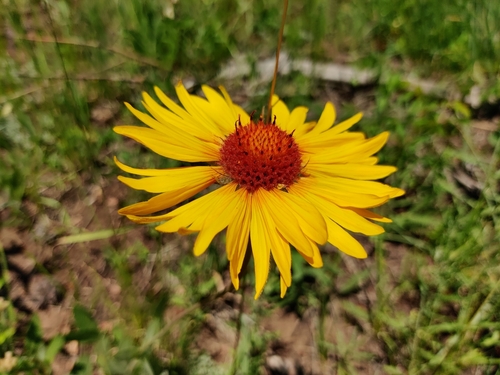
iNaturalist· cc-by-sa
(c) Douglas Goldman, some rights reserved (CC BY-SA), uploaded by Douglas Goldman
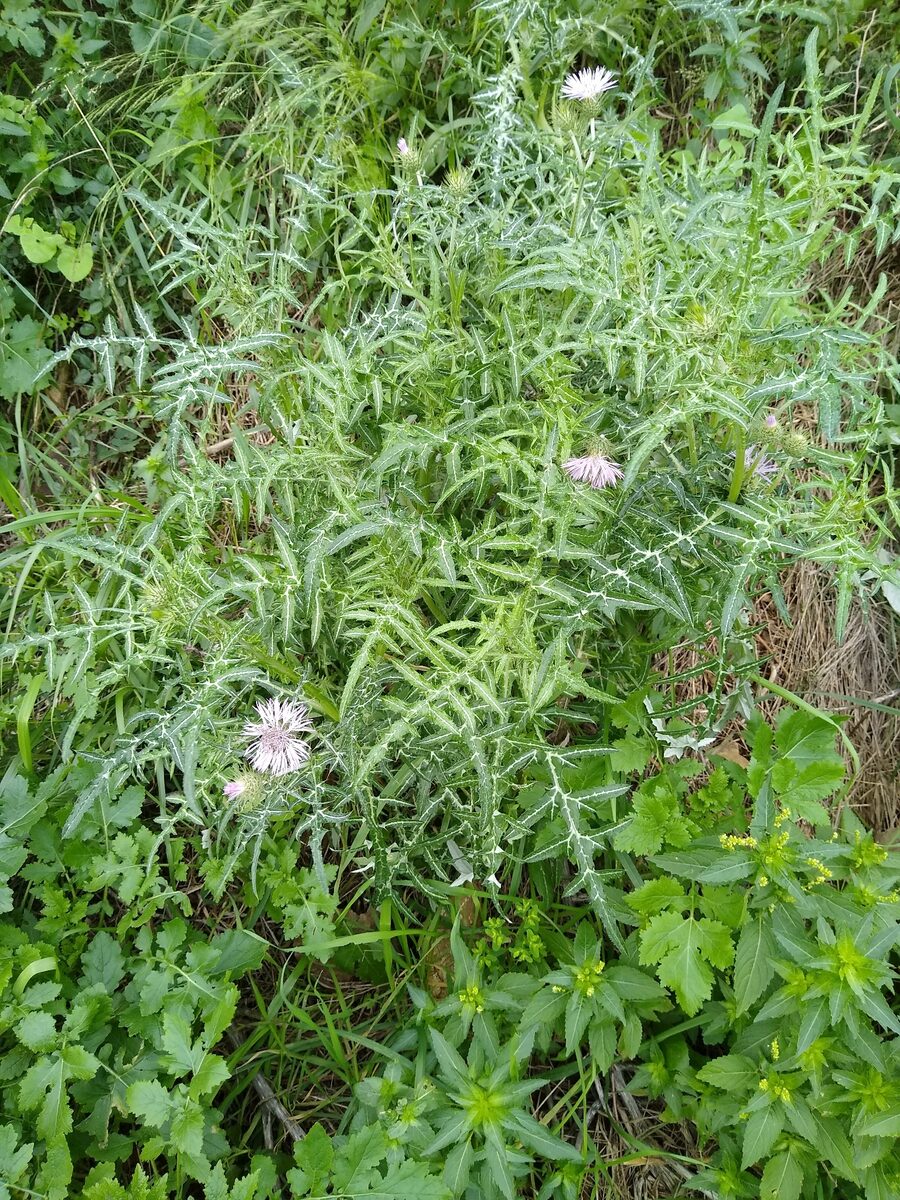
iNaturalist· cc-by
(c) Michael J. Papay, some rights reserved (CC BY), uploaded by Michael J. Papay
Summary
Source: WikipediaSymphyotrichum novae-angliae (formerly Aster novae-angliae) is a species of flowering plant in the aster family (Asteraceae) native to central and eastern North America. Commonly known as New England aster, hairy Michaelmas-daisy, or Michaelmas daisy, it is a perennial, herbaceous plant usually between 30 and 120 centimeters (1 and 4 feet) tall and 60 to 90 cm (2 to 3 ft) wide. The usually deep purple flowers have up to 100 ray florets which are rarely pink or white. These surround the flower centers which are composed of just as many tiny yellow disk florets. The plant grows naturally in clumps, with several erect stems emerging from a single point. The stems are stout, hairy, and mostly unbranched. The untoothed, lance-shaped leaves clasp the stem with earlobe-like appendages, and the lower stem leaves often wither by the time of flowering. New England aster generally grows in wet environments but also has been found in dry soil or sand. The seeds and nectar of this mostly conservationally secure species, which blooms August to November, are important to a wide variety of animals, including birds, bees, and butterflies. It has been introduced to Europe, Central Asia, Hispaniola, New Zealand, and some western states and provinces of North America. The naturally occurring hybrid species of New England aster and white heath aster (Symphyotrichum ericoides) is named Symphyotrichum × amethystinum and is commonly known as amethyst aster. It can grow where the two parents are in close proximity. There are roughly 50 cultivars of Symphyotrichum novae-angliae available, including the award-winners 'Brunswick', 'Helen Picton', and 'James Ritchie'. It has been used by indigenous Americans, such as the Cherokee, Iroquois, and Potawatomi, to heal multiple ailments.
Description
A herb. It grows 1.2 m tall. The stem is rough. The leaves clasp the stem. The flowers are purple. There are 50-75 flowers in a group.
This description is brief — help expand it
Edible Uses
The fresh flowers are added to salads. The dried plant material is added to salads and other dishes or brewed as tea.
Traditional Uses
The flowers can be eaten fresh and added to salads. The dry plants are added to salads and other dishes and also used for tea.
This uses section is brief — help expand it
Medicinal Uses
Symphyotrichum novae-angliae has been used for various medicinal purposes. In his 1828 Medical Flora, French botanist Constantine Samuel Rafinesque wrote the following about its use to treat skin eruptions, including urushiol-induced contact dermatitis from poison ivy and poison sumac:The A. novanglia is employed in decoction internally, with a strong decoction externally, in many eruptive diseases of the skin: it removes also the poisonous state of the skin caused by Rhus or Shumac. Among Indigenous peoples of North America, it has been documented that the Cherokee have made a poultice of the roots for pain, an infusion of the roots for diarrhea, an infusion of the plant for fever, and have sniffed the ooze from the roots for catarrh. Both the Meskwaki and the Potawatomi have used the plant to revive people: the Meskwaki by smudging, and the Potawatomi through fumigation. The Iroquois have made a decoction of the plant for weak skin and of the roots and leaves for fevers. They have used the plant as a love medicine. Both the Mohawk people and the Iroquois have used an infusion of the whole plant in combination with rhizomes from another plant to treat mothers with intestinal fevers. The Ojibwe have smoked the root in pipes to attract game.
Distribution
It is a temperate plant. It grows in wet swamp areas. It suits hardiness zones 4-8.
Where It Grows
Britain, Canada, Europe, North America, USA,
Synonyms
References (3)
- Jackes, D. A., Edible Forest Gardens (As Aster novae-angliae)
- Toupal, R. S. & Hollenback, K., 2009, An Ethnobotany of Indiana Dunes National Lakeshore: Plant Uses of the Ojibwa People. Bureau of Applied Research in Anthropology. University of Arizona
- www.wildediblefood.com