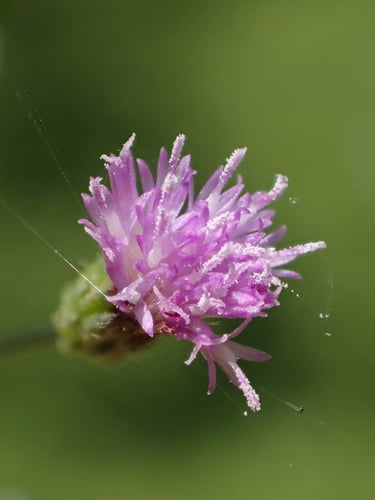
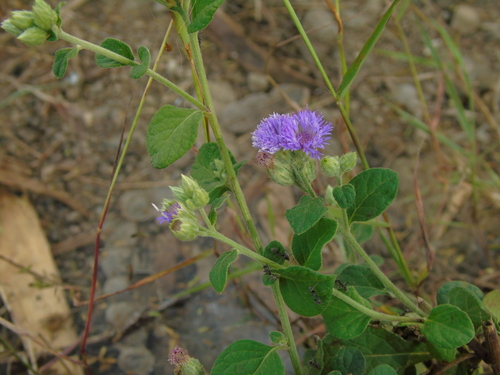
Symphyotrichum cordifolium
(L.) G. L. Nesom
Blue wood aster, Heart leaf aster
iNaturalist· cc-by-nc
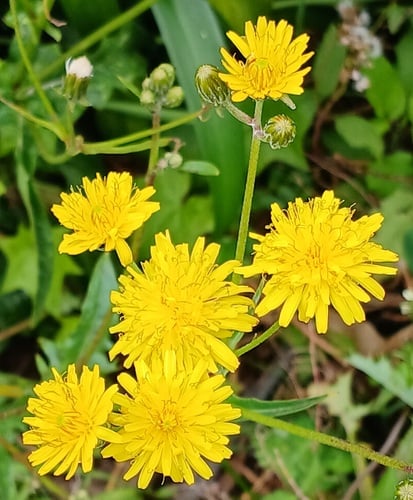
(c) johnslowry, some rights reserved (CC BY-NC)
iNaturalist· cc-by
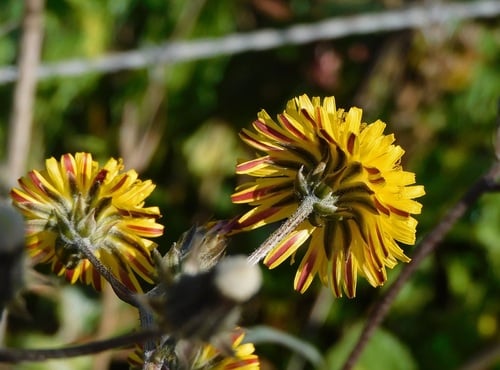
(c) Michael J. Papay, some rights reserved (CC BY), uploaded by Michael J. Papay
iNaturalist· cc-by
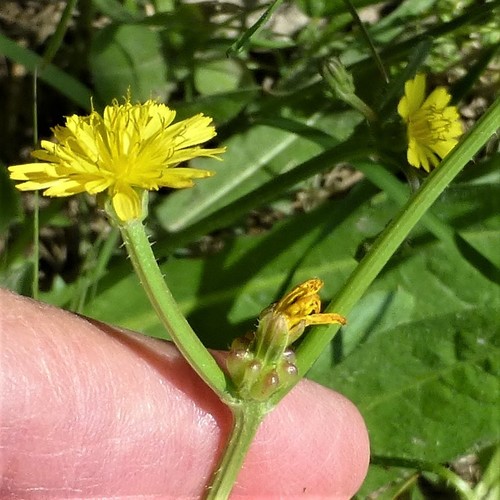
(c) Daniel McClosky, some rights reserved (CC BY), uploaded by Daniel McClosky
Summary
Source: WikipediaSymphyotrichum cordifolium (formerly Aster cordifolius), commonly known as common blue wood aster, heartleaf aster, and blue wood-aster, is a perennial herbaceous flowering plant in the family Asteraceae native to central and eastern North America. It reaches heights of up to 1.2 meters (4 feet) and has bluish daisy-like flowers which bloom late-summer and fall in its range.
Description
A small plant that forms clumps. It keeps growing from year to year. It grows 0.6-1.5 m high and spreads 45 cm wide. The leaves are heart shaped or round and have long stalks. The leaves are 12 cm long. The flower-heads are 2 cm across and blue in loose panicles 25 cm across. There are yellow disk florets.
Edible Uses
The leaves and flowers are edible.
Medicinal Uses
The Ojibwe have used S. cordifolium to make an incense to attract deer.
Distribution
It is a temperate plant. It suits moist, moderately fertile soil and in part shade. It grows up to 1,200 m above sea level.
Where It Grows
Asia, Australia, Indonesia, North America*, SE Asia, Tasmania, USA,
Cultivation
Plants can be grown from seeds or cuttings.
Notes
There are about 250 Aster species.
Synonyms
Also Known As
Aster biru daun hati
References (5)
- Hibbert, M., 2002, The Aussie Plant Finder 2002, Florilegium. p 34 (As Aster cordifolius)
- Plants for a Future database, The Field, Penpol, Lostwithiel, Cornwall, PL22 0NG, UK. http://www.scs.leeds.ac.uk/pfaf/ (As Aster cordifolius)
- Sp. pl. 2:875. 1753 (As Aster cordifolius)
- Sukarya, D. G., (Ed.) 2013, 3,500 Plant Species of the Botanic Gardens of Indonesia. LIPI p 1137
- Toupal, R. S. & Hollenback, K., 2009, An Ethnobotany of Indiana Dunes National Lakeshore: Plant Uses of the Ojibwa People. Bureau of Applied Research in Anthropology. University of Arizona (As Aster cordifolius)