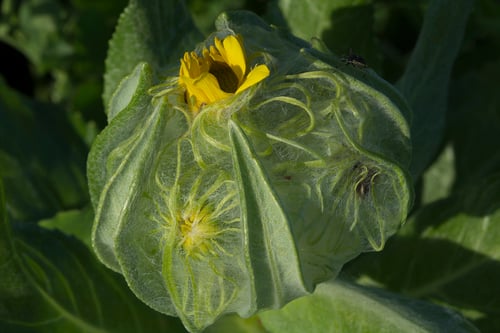
Syneilesis palmata
(Thunb.) Maxim.
Usannamul
iNaturalist· cc-by-sa
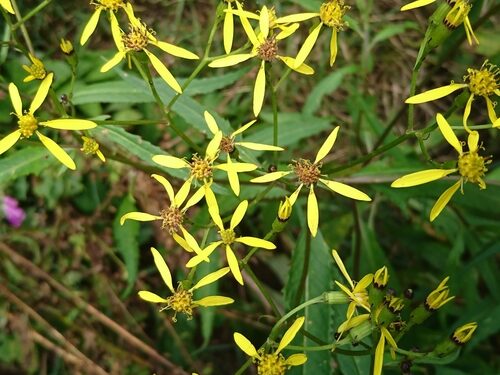
(c) harum.koh, some rights reserved (CC BY-SA), uploaded by harum.koh
iNaturalist· cc-by-nc
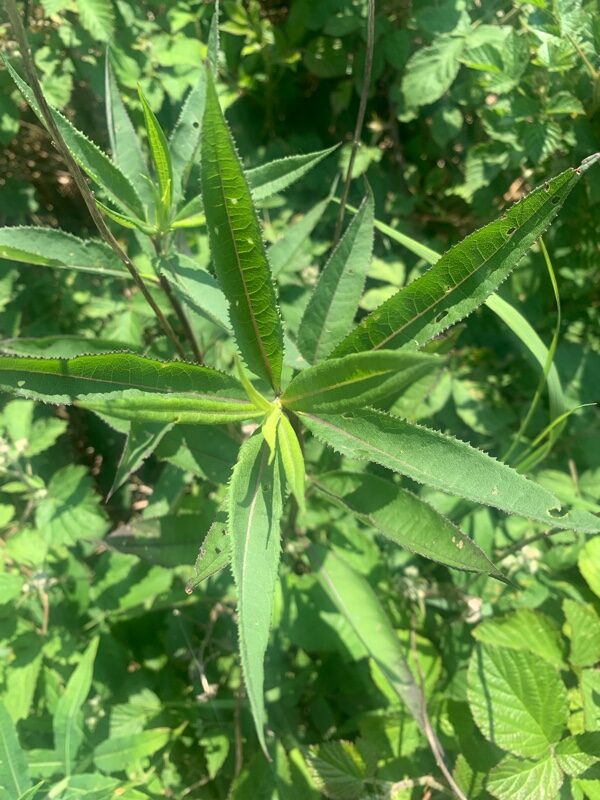
(c) arbarokampo, some rights reserved (CC BY-NC)
iNaturalist· cc-by
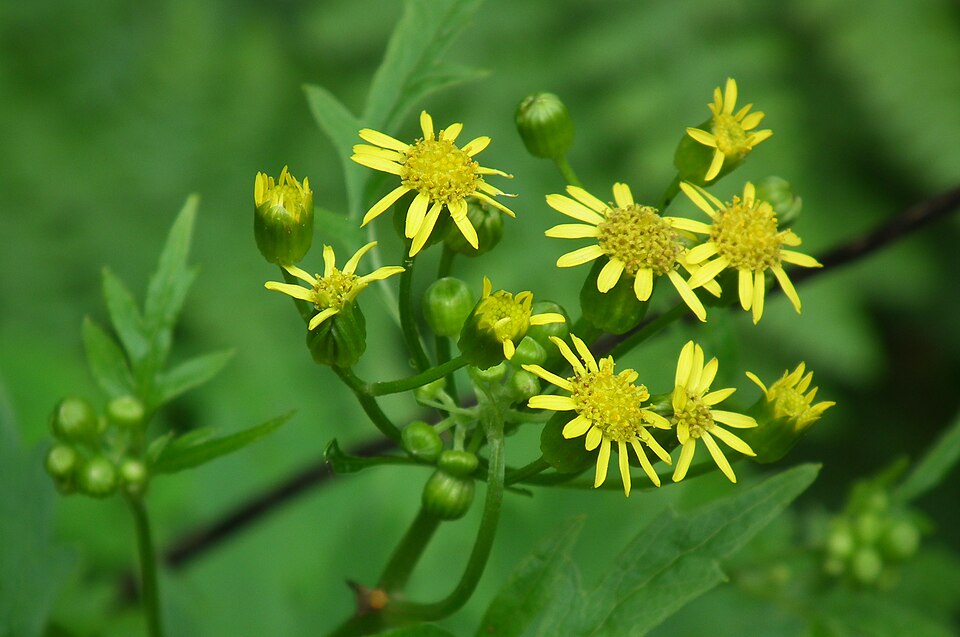
(c) mami_t_t, some rights reserved (CC BY)
Summary
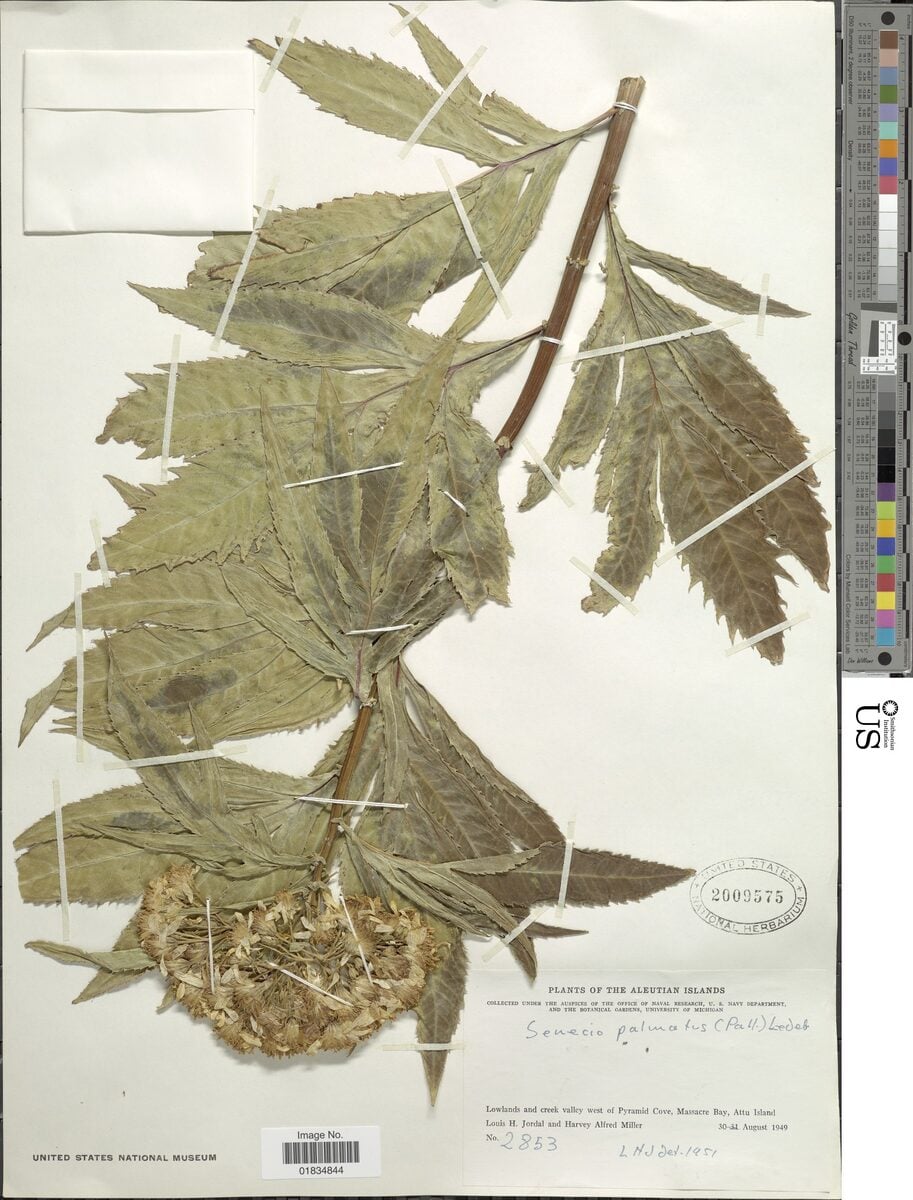
Source: WikipediaSyneilesis palmata, the palmate umbrella plant or shredded umbrella plant, is a species of flowering plant in the family Asteraceae, native to Korea and Japan. A spreading rhizomatous perennial, at maturity its foliage typically reaches 60 cm (24 in), and its inflorescences extend to about twice that height. Recommended for specimen and mass plantings in shade gardens, it is hardy in USDA zones 5 through 8. It flowers in late summer.
Description
A temperate herb in the Asteraceae family.
This description is brief — help expand it
Edible Uses
The young leaves and stems are eaten raw in salads, cooked with seasoned vegetables, or used in soups.
Traditional Uses
The young leaves are eaten in salads and cooked with seasoned vegetables or used in soups.
This uses section is brief — help expand it
Distribution
It is a temperate plant.
Where It Grows
Asia, Japan, Korea,
Synonyms
Also Known As
Usannamul
References (5)
- Chen, B. & Qiu, Z., Consumer's Attitudes towards Edible Wild Plants, Ishikawa Prefecture, Japan. p 26 www.hindawi.com/journals/ijfr/aip/872413.pdf
- Chon, S. et al., 2009, Total Phenolics Level, Antioxidants Activity and Cytotoxicity of Young Sprouts of Some Traditional Korean Salad Plants. Plant Foods for Human Nutrition. 64:25-31
- Heo, B., et al., 2009, Antiproliferative Activity of Korean Wild Vegetables on Different Human Tumor Cell Lines. Plant Foods for Human Nutrition. 64:257-263
- Kim, H. & Song, M., 2013, Ethnobotanical analysis for traditional knowledge of wild edible plants in North Jeolla Province (Korea). Genetic. Resour. Crop Evol. (2013) 60:1571-1585
- Pemberton, R. W. & Lee, N. S., 1996, Wild Food Plants in South Korea: Market Presence, New Crops, and Exports to the United States. Economic Botany, Vol. 50, No. 1, pp. 57-70