Sagittaria rhombifolia
Cham.
Doi
iNaturalist· cc-by
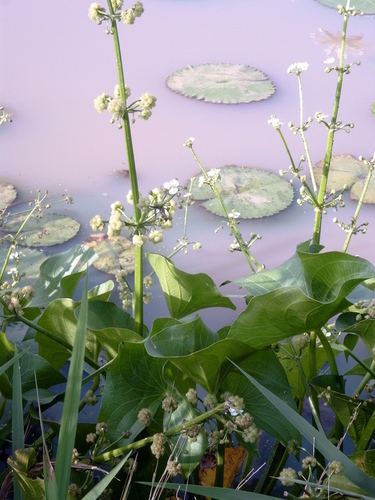
(c) Guillaume Delaitre, some rights reserved (CC BY), uploaded by Guillaume Delaitre
iNaturalist· cc-by-nc
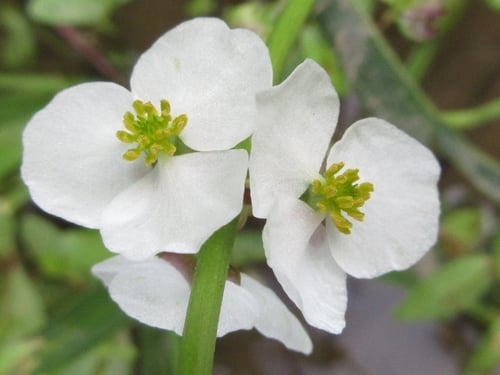
(c) Sebastián, some rights reserved (CC BY-NC)
iNaturalist· cc-by-nc
(c) Sebastián, some rights reserved (CC BY-NC)
Description
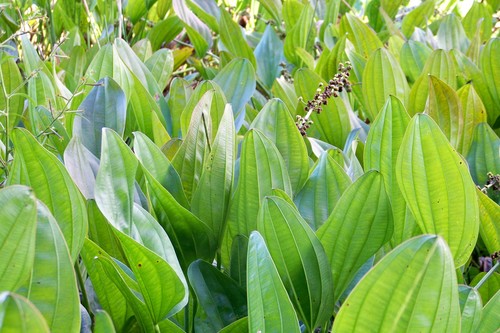
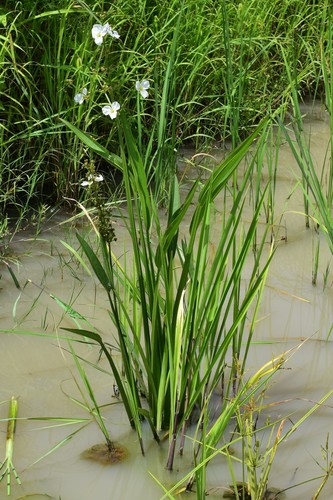
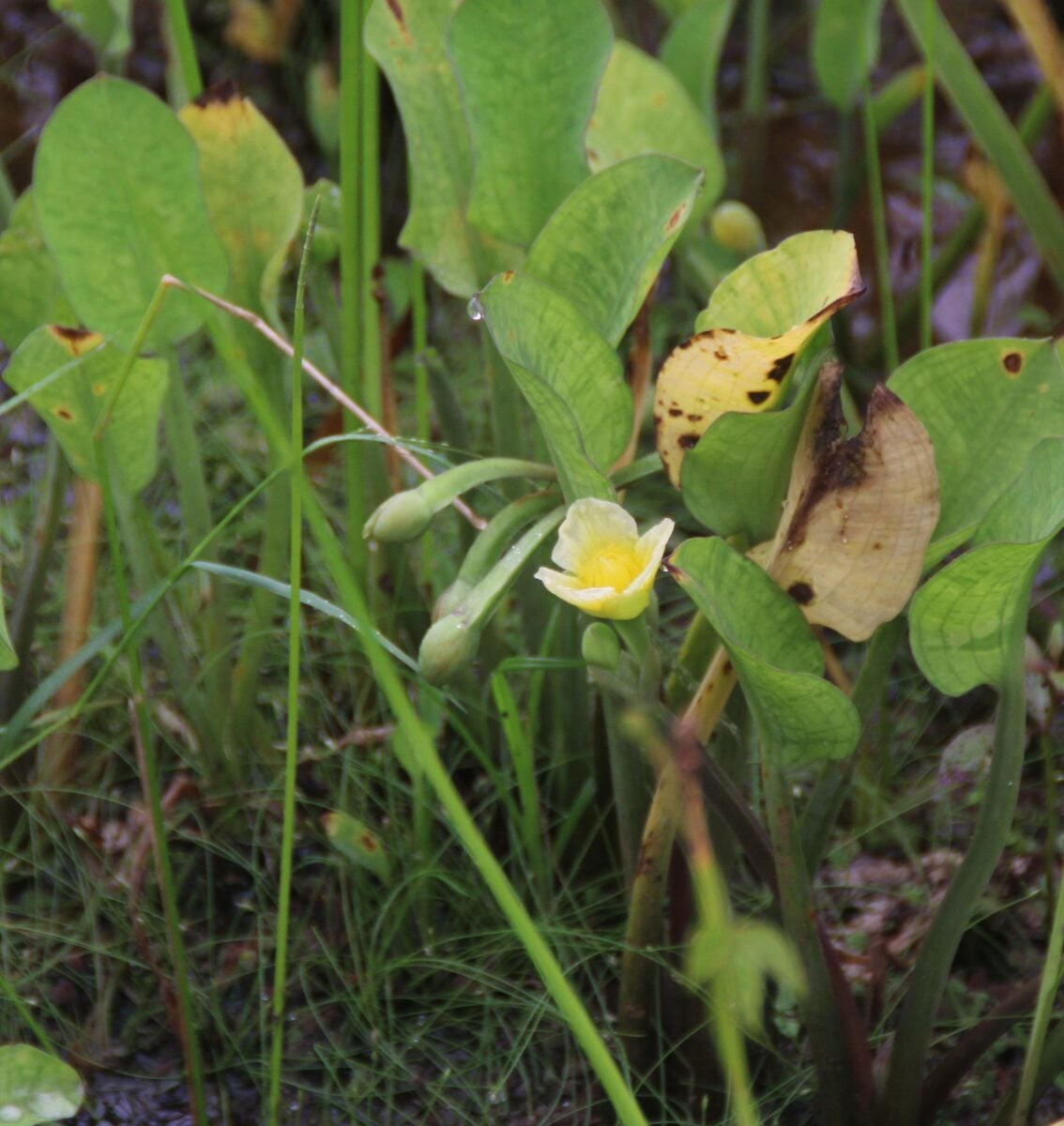
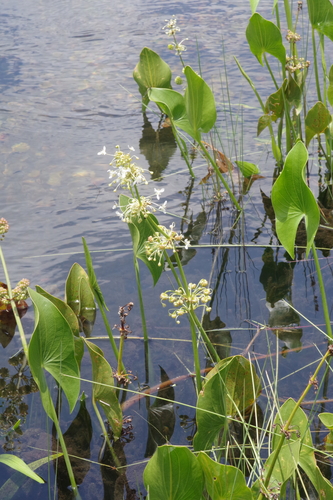
A herb. It keeps growing from year to year. It grows 100 cm tall. It has underground stems or rhizomes 6 cm long by 4 cm wide. There are 1-4 corms 1-2 cm long. The leaves can be under the water or above. The underwater leaves do not have leaf stalks and the above water ones do. The sheath at the base is 23 cm long. The above water leaves are narrowly oval and 8.5-20 cm long by 1-15 cm wide. The flowering shoots have 2-10 rings. The flowering shoots are 4-37 cm long by 1-5 cm wide and there are 2-3 flowers in each ring.
Edible Uses
The tubers are boiled or roasted and eaten.
Traditional Uses
The tubers are boiled or roasted and eaten.
This uses section is brief — help expand it
Distribution
It is a tropical plant. It grows in the wet areas in grassland in Venezuela.
Where It Grows
Argentina, Bolivia, Brazil, Central America, Costa Rica, Guianas, Guyana, South America, Suriname, Venezuela,
Synonyms
References (2)
- Gragson, T. L., 1997, The Use of Underground Plant Organs and Its Relation to Habitat Selection among the Pume Indians of Venezuela. Economic Botany, Vol. 51, No. 4, pp. 377-384
- Kermath, B. M., et al, 2014, Food Plants in the Americas: A survey of the domesticated, cultivated and wild plants used for Human food in North, Central and South America and the Caribbean. On line draft. p 774