Kyllinga pumila
Michx.
iNaturalist· cc-by-nc
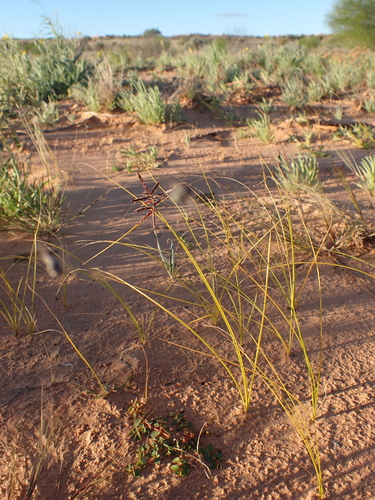
(c) sgraue, some rights reserved (CC BY-NC)
iNaturalist· cc-by-nc
(c) sgraue, some rights reserved (CC BY-NC)
iNaturalist· cc-by-nc
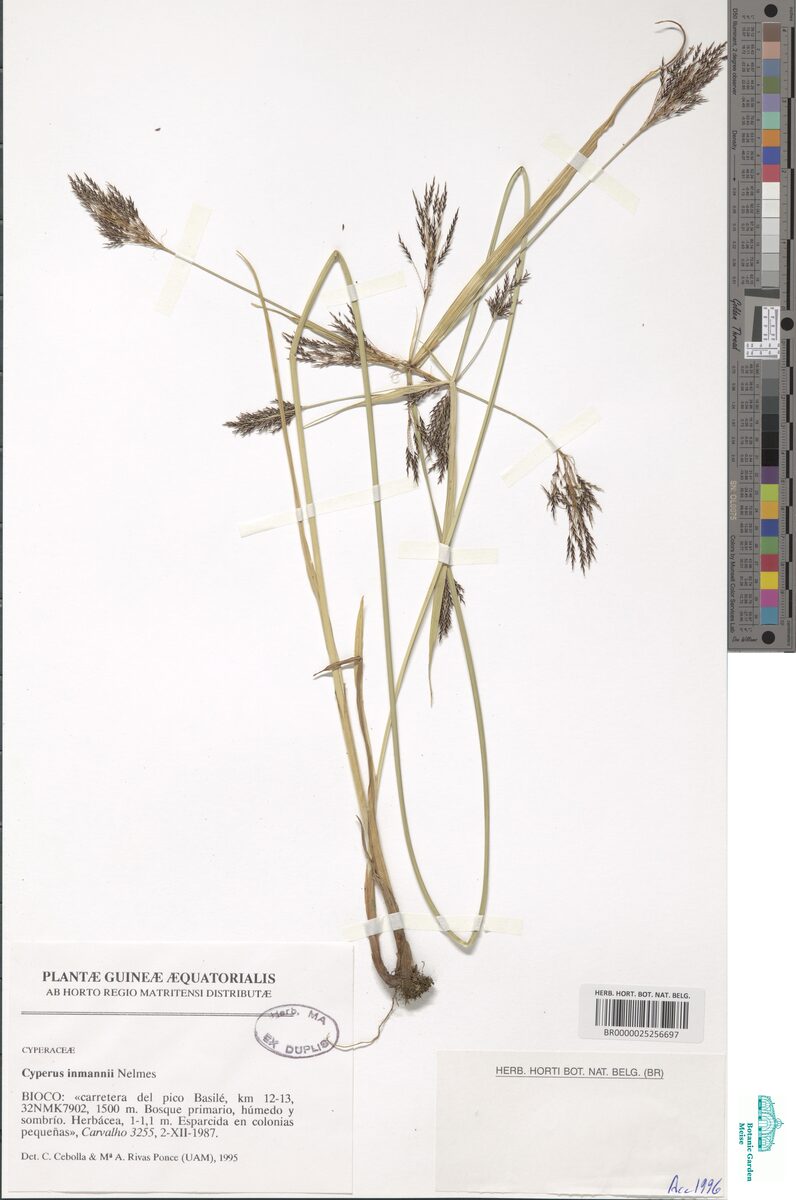
(c) Liu Idárraga Orozco, some rights reserved (CC BY-NC)
Description
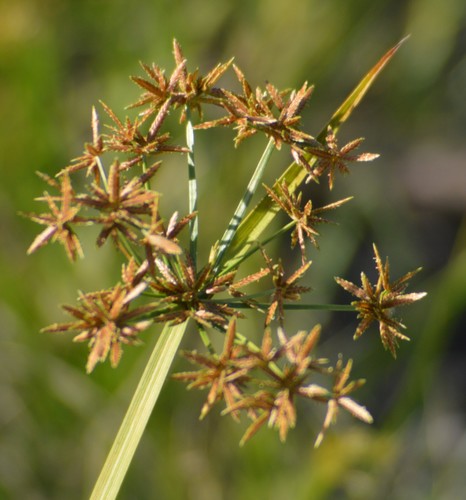
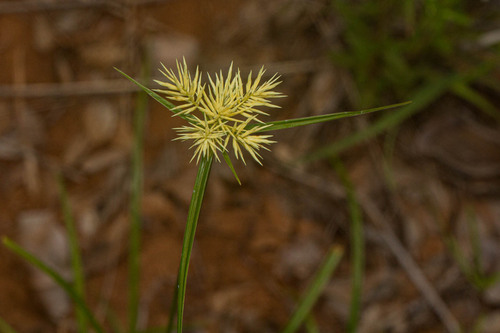
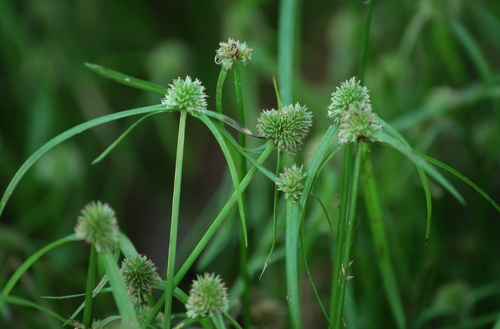
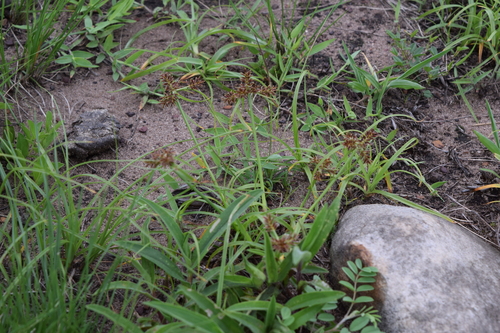
An annual sedge. It is a herb that forms tufts. It has short underground stems or rhizomes. The stems are swollen at the base. They grow 30-40 cm high.
Edible Uses
The rhizome is chewed or used as a flavouring in food.
Traditional Uses
The rhizome is chewed or used as a flavouring.
This uses section is brief — help expand it
Distribution
It is a tropical and subtropical plant. It grows on the edge of pools of water. It grows in damp places in the savannah in West Africa.
Where It Grows
Africa, Argentina, Belize, Burkina Faso, Central America, French Guiana, Ghana, Guatemala, Guianas, Guinea, Guinée, Guinea-Bissau, Guyana, Mexico, Nigeria, North America, Panama, Sao Tome and Principe, Sierra Leone, South America, Suriname, USA, Venezuela, West Africa,
Other Information
They are sold in markets.
Synonyms
Also Known As
Ayaa-ayaa, Burzu
References (3)
- Burkill, H. M., 1985, The useful plants of west tropical Africa, Vol. 1. Kew. (As Kyllingia tenuifolia)
- Seidemann J., 2005, World Spice Plants. Economic Usage, Botany, Taxonomy. Springer. p 193
- Simpson, D. A. & Inglis, C. A., 2001, Cyperaceae of Economic, Ethnobotanical and Horticultural Importance: A checklist. Kew Bulletin Vol. 56, No. 2 (2001), p. 324