Bolboschoenus glaucus
(Lam.) S. G. Sm.
iNaturalist· cc-by-nc
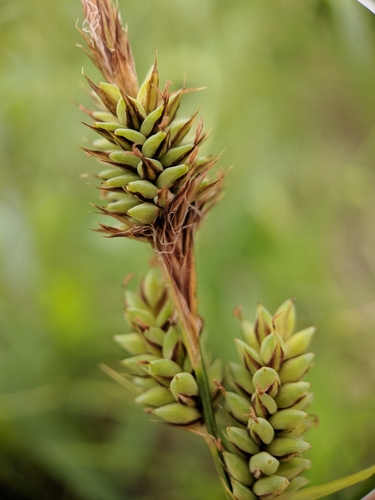
(c) Богданович Светлана, some rights reserved (CC BY-NC), uploaded by Богданович Светлана
iNaturalist· cc-by-nc
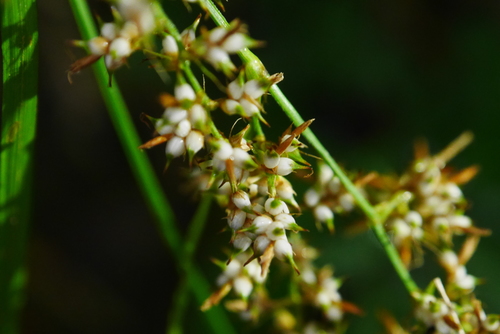
(c) Еlena, some rights reserved (CC BY-NC)
Description
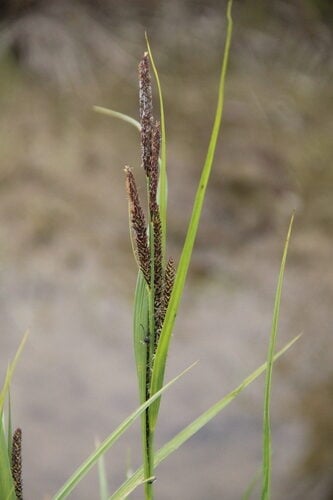
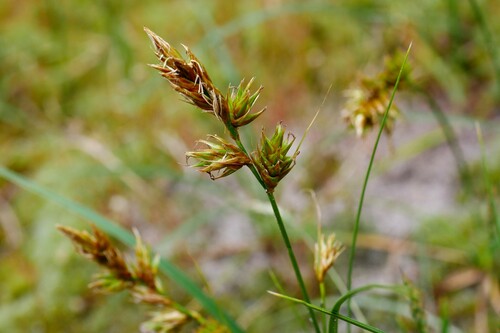
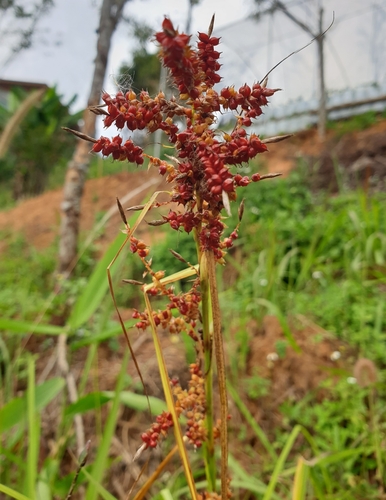
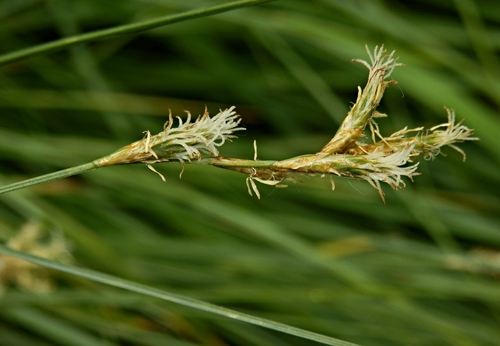
A sedge. It grows 20-30 cm tall. These grow in clumps and have grass like leaves and solid stalks. It has round turnip shaped root tubers. The stalks are slightly twisted. There are no leaves but short sheaths at the base of the stalk. The flower spike is at the top. These occur singly and are cylinder shaped. The seed are rounded.
Edible Uses
The tubers can be cooked and eaten, or the rhizomes can be made into flour, traditionally used in times of scarcity.
Traditional Uses
The rhizomes are made into flour for use in times of scarcity. (The tubers cause diarrhoea) The tubers can be cooked and eaten.
This uses section is brief — help expand it
Known Hazards
The tubers can cause diarrhoea.
Distribution
It is a temperate plant. It grows in paddy fields and seasonally wet land.
Where It Grows
Africa, Asia, India, North America, Northeastern India, Pakistan, Senegal, South Africa, USA, West Africa,
Synonyms
Also Known As
Chechur, Dila, Gurrapu sakatunga, Khitro, Mahat-kesur, Murak
References (2)
- Ambasta S.P. (Ed.), 2000, The Useful Plants of India. CSIR India. p 560 (As Scirpus tuberosus)
- Patiri, B. & Borah, A., 2007, Wild Edible Plants of Assam. Geethaki Publishers. p 159 (As Scirpus tuberosus)