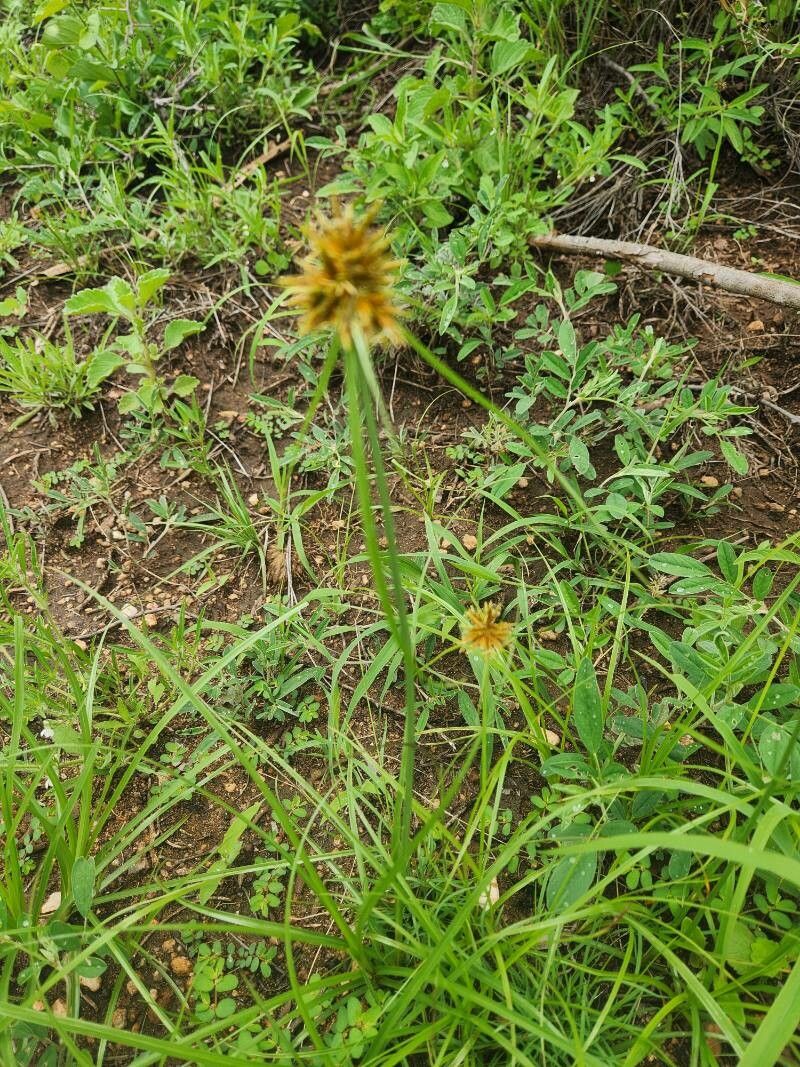
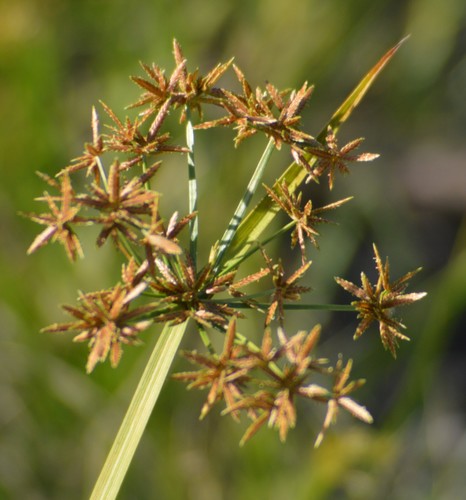
Amphiscirpus nevadensis
(S. Watson) Oteng-Yeb.
Nevada bulrush, Great basin bulrush
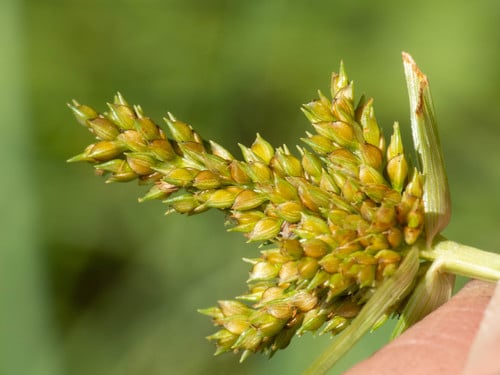
iNaturalist· cc-by-nc
(c) Yael Orgad, some rights reserved (CC BY-NC), uploaded by Yael Orgad
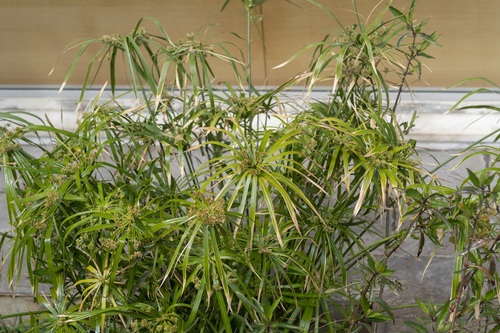
iNaturalist· cc-by-nc
(c) Pat Deacon, some rights reserved (CC BY-NC)
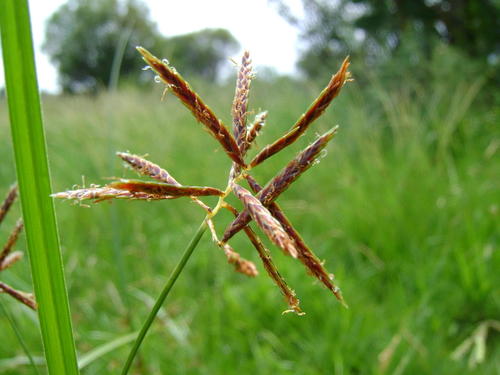
iNaturalist· cc-by-nc
(c) Pat Deacon, some rights reserved (CC BY-NC)
Summary
Source: WikipediaA perennial herb reaching 0.5 m tall and wide at fast growth rate, wind-pollinated. Noted for attracting wildlife. Grows in light sandy, medium loamy, or heavy clay soils, tolerating poor soil fertility and very alkaline to saline soils. Requires full sun, prefers wet or moist soil but tolerates drought, and can grow in water. Hardy to UK zone 6, not frost tender.
Description
A perennial herb reaching 0.5 m tall and wide at fast growth rate, wind-pollinated. Noted for attracting wildlife. Grows in light sandy, medium loamy, or heavy clay soils, tolerating poor soil fertility and very alkaline to saline soils. Requires full sun, prefers wet or moist soil but tolerates drought, and can grow in water. Hardy to UK zone 6, not frost tender.
Edible Uses
The primary food use of Nevada bulrush is its seeds (achenes), which are beakless and can be collected in fair quantities, though less abundantly than in larger bulrushes. The seeds can be toasted, ground into flour, or boiled into a starchy broth. Processing generally involves grinding and winnowing to remove shell fragments. When lightly pan-toasted and rubbed to shed residual chaff, the seeds give a pleasantly nutty, cereal-like aroma. Grinding to a fine meal improves digestibility and mouthfeel; the meal can be simmered into a thin gruel using 5–7 parts water, folded into bannock-style flatbreads, or added to soups as a thickener. Because seed coats are relatively smooth, a brief winnow is usually sufficient, though multiple passes improve texture. To harvest, clip seedheads into breathable sacks during the straw-colored stage, dry fully, then gently rub and winnow before toasting and grinding. Other parts of the plant are technically edible but of limited value — the stems and rhizomes are thin, lack significant starch, and are not worth harvesting in quantity. Young shoots may be edible but are insubstantial compared to larger bulrush species. Overall, Nevada bulrush is best considered a supplementary seed source rather than a staple food plant. Seed maturity typically falls in mid- to late summer depending on elevation and hydrology, with a dry spell following seed fill often favouring easier harvest as heads crisp and detach. As with all wetland grains, avoid harvesting from polluted sites where heavy metals or agrochemicals may concentrate, and thoroughly dry and store seeds to prevent mould.
Traditional Uses
The peeled roots are eaten raw.
This uses section is brief — help expand it
Medicinal Uses
Little has been recorded specifically for Nevada bulrush. Unlike Schoenoplectus or Bolboschoenus, which appear in some ethnobotanical records, Amphiscirpus has not been documented as a primary medicinal species. Related bulrushes have been used for poultices, wound dressings, and urinary or diuretic teas, suggesting Nevada bulrush may have seen occasional local experimentation.
Distribution
It is a temperate plant. In Argentina it grows from sea level to 4,000 m above sea level.
Where It Grows
Argentina, Bolivia, Canada, Chile, Mexico, North America, South America, USA,
Propagation
Nevada bulrush can be propagated by seed or by division of rhizomes. Seeds mature in late summer to autumn, disperse by water or birds, and germinate best on saturated or shallowly flooded soils. They require light to germinate and should be sown on the soil surface rather than buried; cold stratification improves germination success, though results can be slow and inconsistent. Division of rhizomes is generally more reliable — clumps are best divided in spring or early summer, with sections replanted directly into wet soil or shallow water where they establish readily. Constant soil moisture is essential, and the plant thrives in full sun but tolerates partial shade. Rhizome division offers the fastest and most dependable method of establishment, while seeds remain important for natural dispersal and long-term habitat regeneration.
Other Uses
The stems can be dried and woven into mats, ropes, or small baskets, though they are thinner and less robust than tule or softstem bulrush, making them better suited to lighter craftwork than large mats or canoe construction. The plant provides cover and nesting material for birds, and its seeds are eaten by ducks and other waterfowl and wetland mammals. Root systems help stabilise wetland soils and prevent erosion along lake margins and streams. The plant also contributes to water filtration and wetland health by trapping sediments, cycling nutrients, and supporting aquatic invertebrates.
Synonyms
References (4)
- Beckstrom-Sternberg, Stephen M., and James A. Duke. "The Foodplant Database." http://probe.nalusda.gov:8300/cgi-bin/browse/foodplantdb.(ACEDB version 4.0 - data version July 1994) (As Scirpus nevadensis)
- Kermath, B. M., et al, 2014, Food Plants in the Americas: A survey of the domesticated, cultivated and wild plants used for Human food in North, Central and South America and the Caribbean. On line draft. p 59
- Moerman, D. F., 2010, Native American Ethnobotany. Timber Press. p 523 (As Scirpus nevadensis)
- Plants for a Future database, The Field, Penpol, Lostwithiel, Cornwall, PL22 0NG, UK. http://www.scs.leeds.ac.uk/pfaf/ (As Scirpus nevadensis)