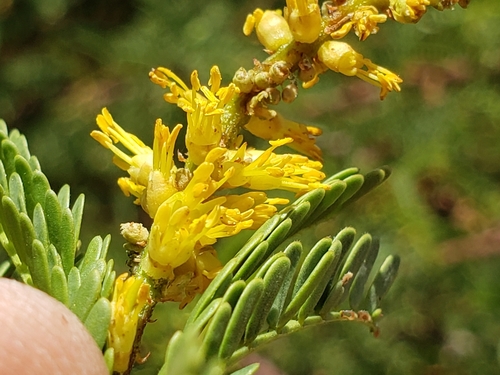
Psophocarpus lancifolius
Harms
gbif· cc-by
Royal Botanic Gardens, Kew
gbif· cc-by
Royal Botanic Gardens, Kew
gbif· cc-by
Royal Botanic Gardens, Kew
Description
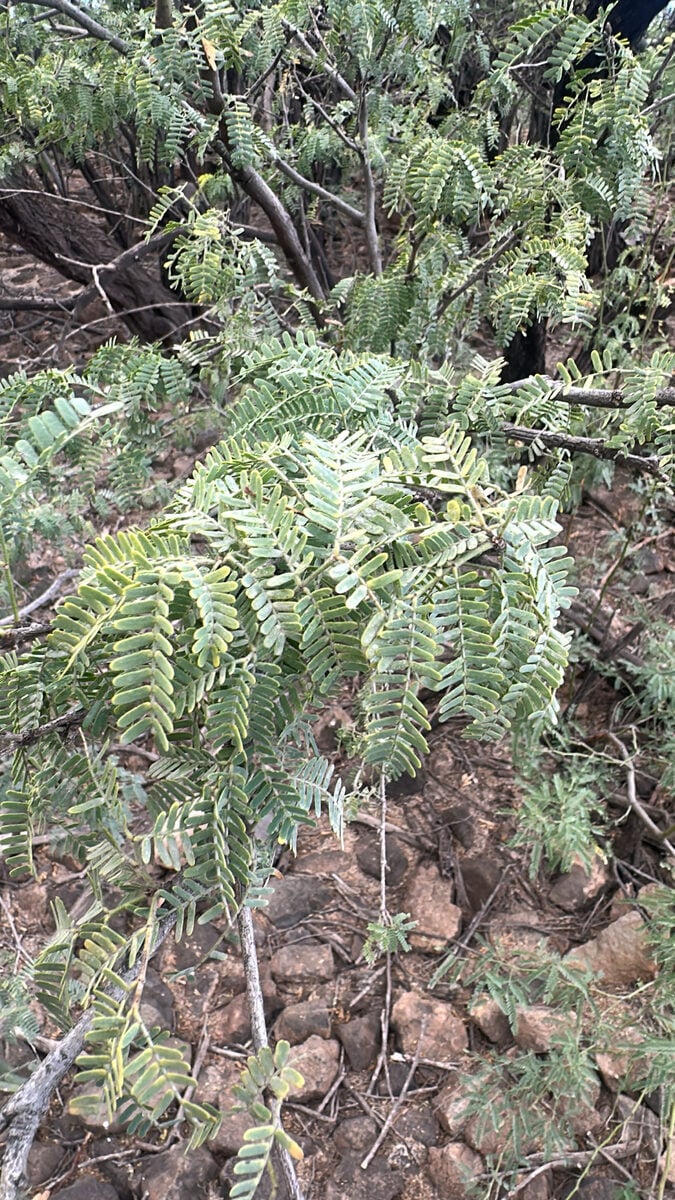
A herb. It is a climbing plant that keeps growing from year to year. It grows 5 m long. The stems can form roots at the nodes and then produce tubers at this point. The plant is covered with soft yellow hairs. The leaflets are narrowly oval and hairy. The standard of the flowers is pink to violet inside and white near the throat. The pods are winged and square or X-shaped in cross section. The seeds are square to round. There are 8-13 seeds per pod. The seeds are reddish-brown.
Edible Uses
The tubers are roasted and eaten. The leaves and seeds are also edible.
Traditional Uses
The tubers are roasted and eaten.
This uses section is brief — help expand it
Medicinal Uses
The juice, extracted from the leaves, is mixed with salt and used as a cough suppressant and to induce labour.
Distribution
It is a tropical plant. In Congo it grows between 1,100-2,550 m altitude. It grows in rocky and swampy savannah. It grows on the edges of forests and in moist places.
Where It Grows
Africa, Burundi, Central Africa, Congo DR, East Africa, Ethiopia, Kenya, Malawi, Nigeria, Rwanda, Southern Africa, Tanzania, Uganda, West Africa, Zambia, Zimbabwe,
Cultivation
Species in this genus generally require a sunny position, growing best in a moist but well-drained, slightly acid loamy soil. This species has a symbiotic relationship with certain soil bacteria, these bacteria form nodules on the roots and fix atmospheric nitrogen. Some of this nitrogen is utilized by the growing plant but some can also be used by other plants growing nearby.
Propagation
Seed - requires pre-treatment. Pre-soaking for 12 - 24 hours in warm water should soften the hard seedcoat and allow the seed to swell. If it does not swell, then making a small nick in the seedcoat (being careful not to damage the embryo) should allow the seed to take up water.
References (5)
- Burkill, H. M., 1985, The useful plants of west tropical Africa, Vol. 3. Kew.
- Harder, D., Lolema, O. P. M. & Tshisand, M., 1990, Use, Nutritional Composition and Ecogeography of Four Species of Psophocarpus (Fabaceae, Phaseoleae) in Zaire. Economic Botany, Vol. 44, No. 3 pp. 391-409
- ILDIS Legumes of the World http:www:ildis.org/Legume/Web
- Kew Plants of the World On line
- von Katja Rembold, 2011, Conservation status of the vascular plants in East African rain forests. Dissertation Universitat Koblenz-Landau p 179