Prosopis tamarugo
Phil.
Tamarugo
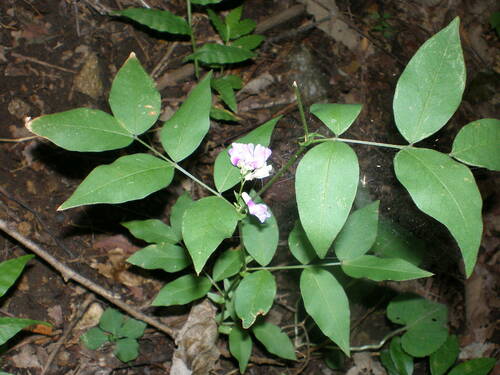
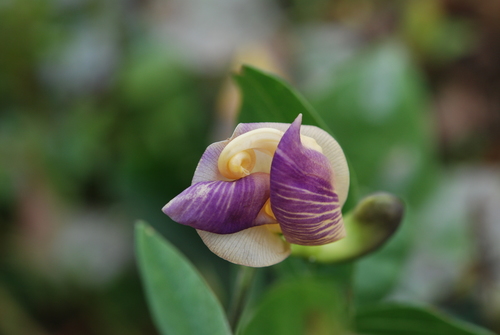
iNaturalist· cc-by-nc
(c) Joey Santore, some rights reserved (CC BY-NC)
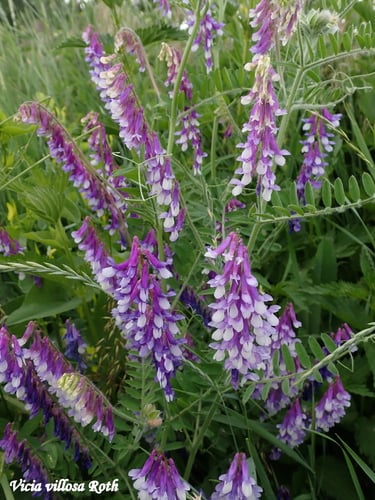
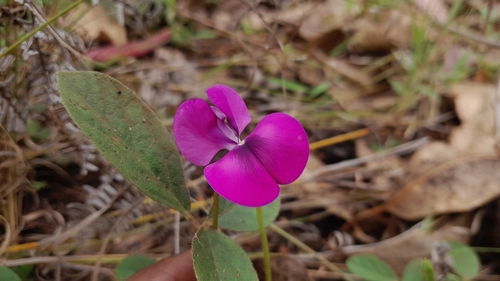
iNaturalist· cc-by-nc
(c) Joey Santore, some rights reserved (CC BY-NC)
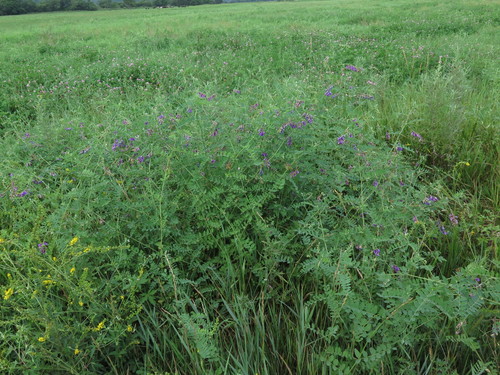
iNaturalist· cc-by-nc
(c) Joey Santore, some rights reserved (CC BY-NC)
Summary
Source: WikipediaDeciduous tree growing quickly to 12 m tall and 10 m wide. Hardy to UK zone 10. Flowers pollinated by bees. Fixes nitrogen. Noted for wildlife attraction. Tolerates light sandy, medium loamy, and heavy clay soils preferring good drainage; grows in poor soils and very alkaline or saline conditions. Requires full sun, tolerates drought and strong winds but not maritime exposure.
Description
A tree. It grows 18 m tall. The crown is open. The trunk is 80 cm across. The leaves are once divided. The pinnae are 3-4 cm long and each has 10-15 pairs of leaflets. The leaflets are narrow and 4-8 mm long. The flowers are golden yellow. They in long spikes in the axils of the leaves. The pod is 2-8 cm long and 2-4 cm wide. There are 6-8 seeds in a brownish edible pulp. The seeds are oval and 3-4 mm long.
Edible Uses
The pods can be leached and used for food.
Medicinal Uses
None known
Distribution
It is a tropical plant. It can grow in salty sandy soil or clay loam. It can grow in warm temperate desert.
Where It Grows
Chile*, South America,
Cultivation
The plant occurs naturally in arid areas of the tropics, within the latitudinal range 18 - 21°S, at elevations from 1,000 - 2,500 metres. It grows best in areas where annual daytime temperatures are within the range 18 - 32°c, but can tolerate 8 - 36°c. Dormant plants can be killed by temperatures of -12°c or lower, though fresh young growth can be killed at -1°c. It prefers a mean annual rainfall in the range 150 - 250mm, but tolerates 100 - 300mm. It is often found in areas where there is no rain for years at a time; however, at night there is a high relative humidity and the trees absorb moisture through the leaves. Requires a sunny position. Succeeds on salty, salty-sandy or clay-loam soils, sometimes with a 40cm salt encrustation at the surface. Prefers a pH in the range 7 - 8, tolerating 6.5 - 8.5. Established plants are very drought resistant, able to go for 12 months or more without rain. Under less harsh conditions that the plant experiences in its native environment, the plant might spread uncontrollably and become a serious weed. Trees can reach 10 metres in height within 15 years, even under harsh conditions. The tree coppices well, regenerating rapidly when cut back. Annual wood production potential is 2 - 4 cubic metres per hectare. This species has a symbiotic relationship with certain soil bacteria, these bacteria form nodules on the roots and fix atmospheric nitrogen. Some of this nitrogen is utilized by the growing plant but some can also be used by other plants growing nearby.
Propagation
Seed.
Other Uses
The tree is being planted in large numbers in northern Chile as part of a reforestation project, being the only tree able to grow in such a harsh, arid climate. It fixes atmospheric nitrogen. The wood is very heavy and hard, making it difficult to work, but is used for furniture and construction, as well as for fuel and charcoal. In a silvopastoral system at Pampa del Tamarugal, mature fruit and dry leaves that fall to the ground are used as fodder for goats, sheep, and cows. Around 7,000–9,000 sheep and goats can be sustained in this originally desert region. A tree aged 14–22 years can produce 20–70 kg of fodder per year.
Notes
Also as Mimosaceae.
Nutrition
| Part | Moisture | kJ | kcal | Protein | Vit A | Vit C | Iron | Zinc |
|---|---|---|---|---|---|---|---|---|
| Fruit | 7.6 | — | — | 12.5 | — | — | — | — |
Synonyms
Also Known As
Tamarugo
References (3)
- Grandtner, M. M. & Chevrette, J., 2013, Dictionary of Trees, Volume 2: South America: Nomenclature, Taxonomy and Ecology. Academic Press p 535
- Kermath, B. M., et al, 2014, Food Plants in the Americas: A survey of the domesticated, cultivated and wild plants used for Human food in North, Central and South America and the Caribbean. On line draft. p 705
- Schmeda-Hirschmann, G., et al, 1999, Proximate Composition and Biological Activity of Food Plants gathered by Chilean Amerindians. Economic Botany Vol. 53. No. 2. pp. 177-187