Prosopis pubescens
Benth.
Screwbean mesquite, Fremont Screwbean
iNaturalist· cc-by-nc
(c) mclay100, some rights reserved (CC BY-NC)
iNaturalist· cc-by-nc
(c) lonnyholmes, some rights reserved (CC BY-NC)
iNaturalist· cc-by-nc
(c) Joey Santore, some rights reserved (CC BY-NC)
Summary
Source: WikipediaDeciduous tree reaching 6 m tall with equal spread. Hardy to UK zone 8. Flowers pollinated by bees and insects; not self-fertile. Fixes nitrogen in soil. Tolerates light sandy, medium loamy, and heavy clay soils with good drainage; grows in poor soils and very alkaline or saline conditions. Requires full sun and tolerates drought well.
Description
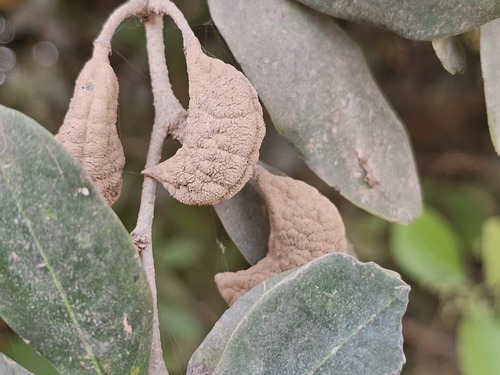
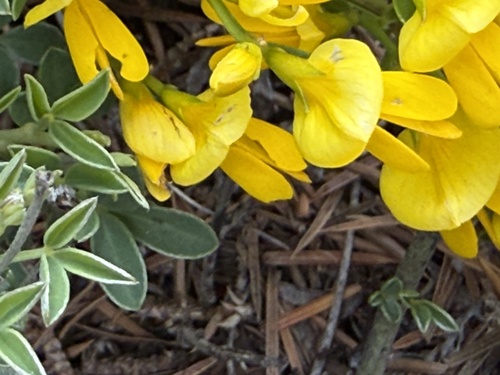
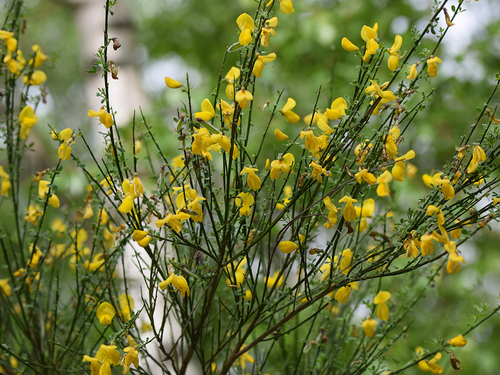
A shrub or tree. It has thorns. It grows 7 m tall. The bark is light brown. It often has short straight spines 1-3 cm long. The leaves are twice divided. The flowers are small and yellow. They are in spikes. The fruit is a twisted seedpod 5 cm long.
Edible Uses
Immature pods can be harvested while still green and eaten raw as snacks. Mature pods, collected in late summer, were traditionally pounded to a fine flour using stone pestles, then dried and stored for later use; the powder was mixed with other foods or formed into small cakes. The dark tan pods are tightly coiled spirals around 3–5cm long, appearing in clusters of 2–15, with very small seeds around 3mm long. The flowers, produced in dense yellow catkins in spring and summer, are edible fresh or cooked. They taste similar to alfalfa with a mild legume flavour and can be toasted, simmered into soups, or used to collect pollen. Mature pods enclose 10–30 tan beans in sticky, sweet pulp. Unlike other mesquites, screwbean pod casings split easily when pounded, making them simpler to process. Traditional preparation methods include: pounding and boiling whole pods to make a sweet, wholesome gruel; pounding, sifting, and grinding pods to produce mesquite flour; and boiling and filtering pods to produce a sweet broth that can be reduced further into syrup. The flavour is sweet and nutty, without the hay-like overtones of other mesquites. Pods can remain on the tree for years and still retain their sweetness. The beans themselves are edible once thoroughly boiled, though they are best used as part of whole-pod processing.
Traditional Uses
The pods are eaten raw, roasted, pounded into meal for cakes. The pods are also dried and stored for later use. They are also made into an alcoholic drink. Caution: Alcohol is a cause of cancer. They are also boiled down to syrup or molasses.
Medicinal Uses
The fibrous bark can be made into a wound dressing. A bark decoction was used to wash fresh wounds, after which dried and powdered bark was applied over the following days. A tea made from the roots was used to treat menstrual problems. A gummy exudate sometimes found on the bark can be soaked in water and the resulting liquid used as an eyewash.
Distribution
It is a Mediterranean climate plant. It can grow in dry salty soils. It grows below 1,200 m above sea level. It can grow in arid places. It is often near streams in deserts and can grow in salty soil.
Where It Grows
Africa, Australia, Egypt, Mexico*, North Africa, North America, USA,
Cultivation
It is a shrub or tree and grows primarily in the desert or dry shrubland biome. Requires a sunny position in well-drained soil. Plants can succeed in a wide range of soil conditions, from light sands to heavy clays. Tolerant of moderately saline soils and also of alkaline conditions up to a pH of at least 10.6. Plants are very drought tolerant; so long as their roots can reach the groundwater, they can also withstand up to 3 months of soil inundation. Plants resprout from the base if they are cut down. Although top-killed by severe forest fires, the plant will usually resprout from the base. This species has a symbiotic relationship with certain soil bacteria; these bacteria form nodules on the roots and fix atmospheric nitrogen. Some of this nitrogen is utilized by the growing plant, but some can also be used by other plants growing nearby. USDA Hardiness Zones: Typically 7–10, adapted to hot, arid river valleys of the Southwest. Weed/Invasiveness: Native to the region; not generally invasive, though it forms dense thickets along rivers and can be thorny and difficult to manage.
Propagation
Seeds benefit from scarification before sowing. Pour a small amount of nearly boiling water over the seeds, taking care not to cook them, then soak in warm water for 12–24 hours until visibly swollen. If seeds have not swollen, carefully nick the seed coat without damaging the embryo and soak for a further 12 hours before sowing.
Other Uses
The pollen is said to be toxic to honeybees, yet this is one of several mesquite species considered excellent bee forage, with bees harvesting both nectar and pollen. Flowers also provide nectar for butterflies. The tree fixes atmospheric nitrogen. The wood is used traditionally for construction and posts, and is an important fuel in its native range; root wood in particular makes good cooking fuel.
Notes
Also as Mimosaceae.
Synonyms
Also Known As
Creasote bush scrub, Mesquite, Mezquite tornillo, Tornilla, Tornillo
References (16)
- Beckstrom-Sternberg, Stephen M., and James A. Duke. "The Foodplant Database." http://probe.nalusda.gov:8300/cgi-bin/browse/foodplantdb.(ACEDB version 4.0 - data version July 1994) (As Strombocarpa odorata)
- BELL & CASTETTER,
- Cundall, P., (ed.), 2004, Gardening Australia: flora: the gardener's bible. ABC Books. p 1085
- Elias, T.S. & Dykeman P.A., 1990, Edible Wild Plants. A North American Field guide. Sterling, New York p 189
- Facciola, S., 1998, Cornucopia 2: a Source Book of Edible Plants. Kampong Publications, p 153
Show all 16 references Hide references
- FELGER & MOSER,
- Hedrick, U.P., 1919, (Ed.), Sturtevant's edible plants of the world. p 517
- Kermath, B. M., et al, 2014, Food Plants in the Americas: A survey of the domesticated, cultivated and wild plants used for Human food in North, Central and South America and the Caribbean. On line draft. p 704
- Kiple, K.F. & Ornelas, K.C., (eds), 2000, The Cambridge World History of Food. CUP p 1814
- London J. Bot. 5:82. 1846
- Menninger, E.A., 1977, Edible Nuts of the World. Horticultural Books. Florida p 99
- MINNIS,
- Moerman, D. F., 2010, Native American Ethnobotany. Timber Press. p 438
- Royal Botanic Gardens, Kew (1999). Survey of Economic Plants for Arid and Semi-Arid Lands (SEPASAL) database. Published on the Internet; http://www.rbgkew.org.uk/ceb/sepasal/internet [Accessed 28th April 2011]
- Saunders, C.F., 1948, Edible and Useful Wild Plants. Dover. New York. p 66
- Segura, S., et al, 2018, The edible fruit species in Mexico. Genet Resour Crop Evol (2018) 65:1767–1793