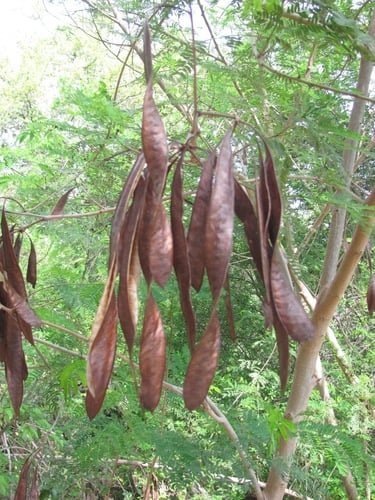
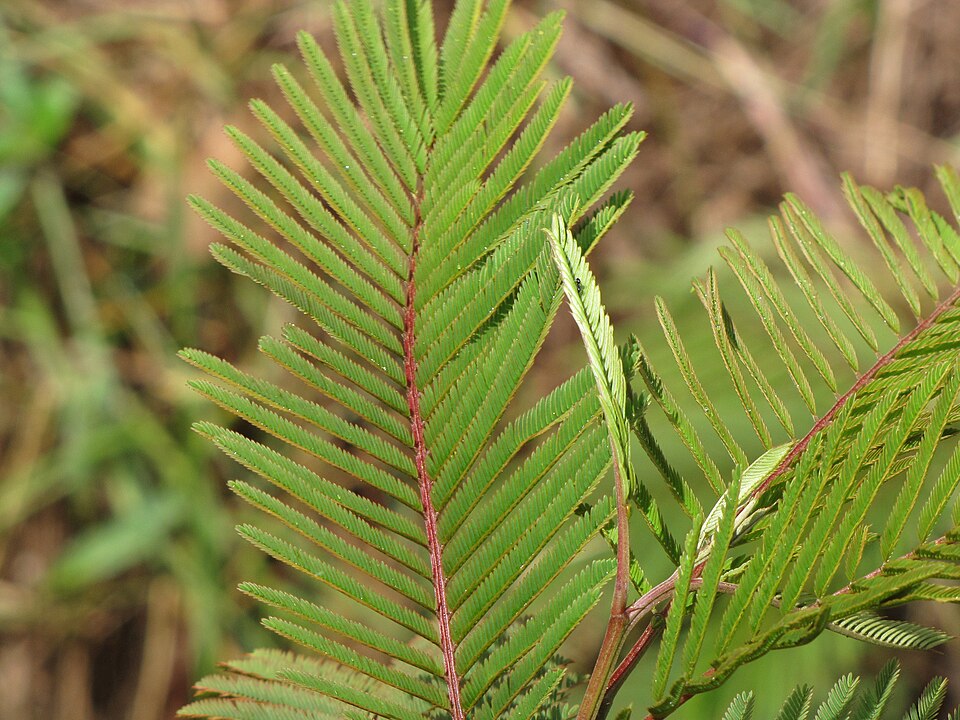
Prosopis pallida - (Humb. & Bonpl. ex Willd.) Kunth
(Humb. & Bonpl. ex Willd.) Kunth
Algaroba
gbif· cc-by
Richard Jacob
gbif· cc-by-nc
pirate123456789
gbif· cc-by
Richard Jacob
Description
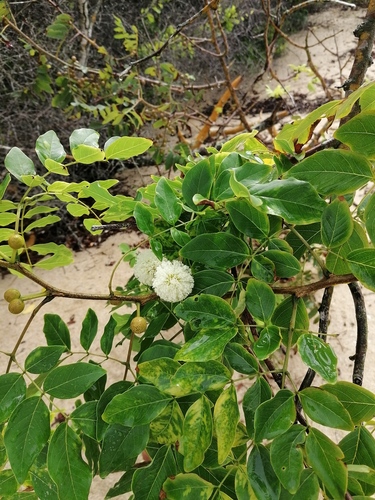
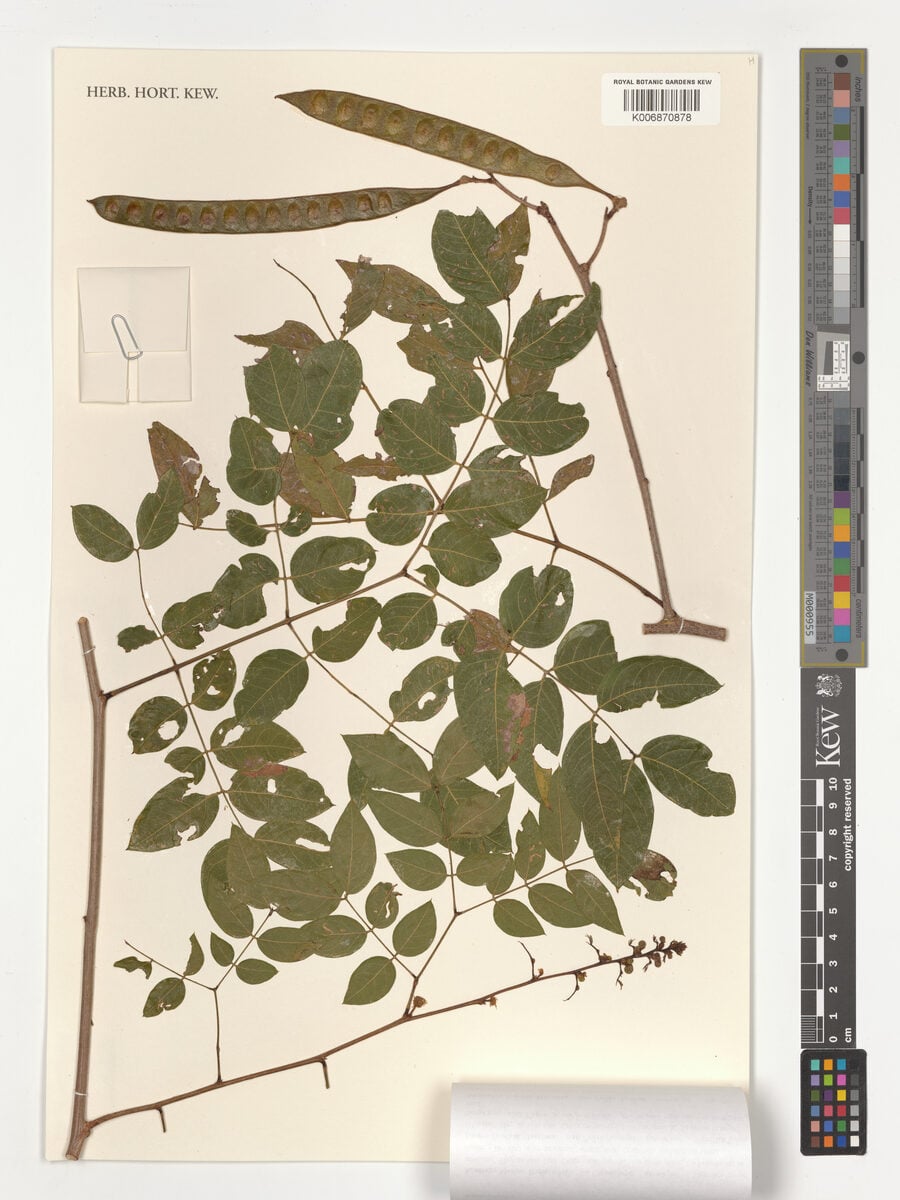
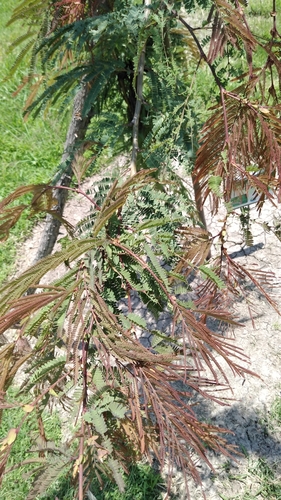
Prosopis pallida is a deciduous Tree growing to 12 m (39ft) by 10 m (32ft) at a fast rate. See above for USDA hardiness. It is hardy to UK zone 10. The flowers are pollinated by Bees. The plant is not self-fertile. It can fix Nitrogen. It is noted for attracting wildlife. Suitable for: light (sandy), medium (loamy) and heavy (clay) soils and prefers well-drained soil. Suitable pH: mildly acid and neutral soils and can grow in very acid and saline soils. It cannot grow in the shade. It prefers dry or moist soil and can tolerate drought. The plant can tolerates strong winds but not maritime exposure.
Edible Uses
The seedpods can be added to soups and corn meal; or made into a sweet syrup and used to prepare various drinks. Staple Crop: balanced Carb.
Medicinal Uses
Dysentery. The seedpods are used in the treatment of dysentery.
Distribution
S. America - Bolivia, Peru, Ecuador, Colombia.
Where It Grows
SOUTHERN AMERICA: Bolivia, Chuquisaca, Colombia, Ecuador, Peru,
Cultivation
It grows best in areas where annual daytime temperatures are within the range 22 - 28°c, but can tolerate 19 - 32°c. Mature plants can be killed by temperatures of -2°c or lower, but new growth can be killed at -1°c. It prefers a mean annual rainfall in the range 500 - 1,000mm, but tolerates 250 - 1,250mm. Requires a sunny position. Succeeds in a range of well-drained soils, including saline soils. Prefers a pH in the range 5.5 - 6, tolerating 5 - 6.7. Established plants have deep tap roots and are very drought tolerant. The tree can form dense thickets. It is a prolific producer of seed, which can be dispersed by water, in mud adhering to animals, boots etc, and by being eaten and defecated. It has escaped from cultivation in many areas and can become an invasive and troublesome weed. Plants grow quite slowly when young, to around 1 metre annually. Plants are very fast to mature, able to flower and fruit within two years of sowing the seed. Trees can be coppiced. This species has a symbiotic relationship with certain soil bacteria, these bacteria form nodules on the roots and fix atmospheric nitrogen. Some of this nitrogen is utilized by the growing plant but some can also be used by other plants growing nearby. Mesquite pods are typically harvested in late Summer to Autumn, depending on the species and environmental conditions. Mesquite trees flower in Spring, usually from April to June (Northern Hemisphere). Mesquite trees are fast growers, often reaching heights of 4-10 meters (12-35 feet) in just a few years, depending on the species and environmental conditions.
Propagation
Seed - it has a hard seedcoat and may benefit from scarification before sowing to speed up germination. This can usually be done by pouring a small amount of nearly boiling water on the seeds (being careful not to cook them!) and then soaking them for 12 - 24 hours in warm water. By this time they should have imbibed moisture and swollen - if they have not, then carefully make a nick in the seedcoat (being careful not to damage the embryo) and soak for a further 12 hours before sowing. Suckers Layering
Other Uses
The tree is suitable for reforestation of hot dry areas where the soil is highly saline. The tree is grown as a cover for the soil and shifting sand dunes in order to prevent erosion. Other Uses: The bark is a source of tannins. A gum exuding from the trunk can be used in glue and vanish. The heartwood is dark reddish-brown, the sapwood light yellow. The wood is dense, strong, relatively easy to work, durable but susceptible to termite attack. It is used for crossties, piling, rural carpentry, vehicle parts, furniture, fence posts etc. The wood can be used for fuel and for making charcoal. Industrial Crop: Biomass. Fodder: Pod.
Synonyms
Also Known As
English: mesquite; prosopis. Spanish: algarrobo. Local Common Names: Brazil: algarobeira. Cape Verde: espinheiro; spinho. Colombia: algarrobo; algarrobo forragero; anchipia guaiva; aroma; cuji; cuji negro; cuji yaque; manca-caballo; mesquite; trupi; trupillo. Djibouti: garawa. Ecuador: algarrobo. French Polynesia: carobier. Peru: guarango; huarango; taco; thacco. USA/Hawaii: algaroba; kiawe; mesquite.