Prosopis hassleri
Harms
Algarrobo, Paraguayan carob
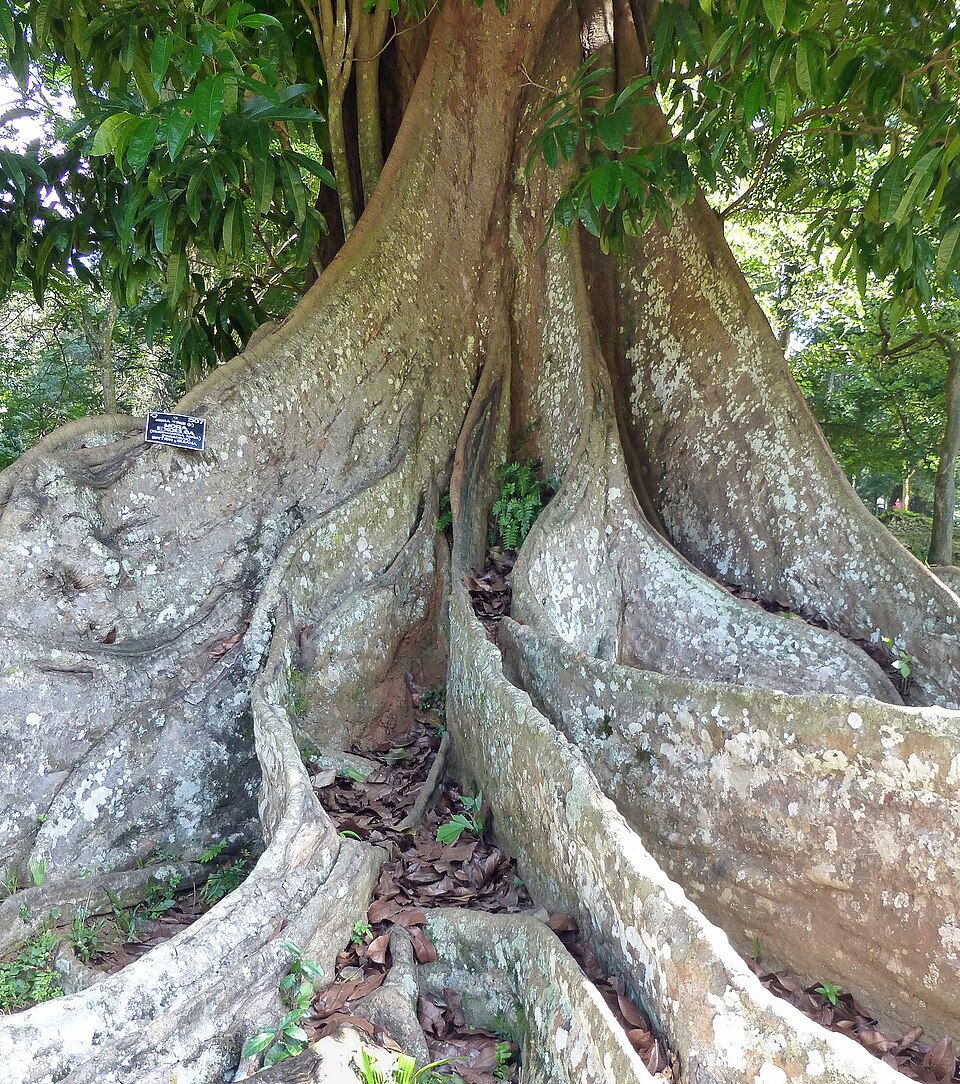
iNaturalist· cc-by-nc
(c) Cesar Massi, some rights reserved (CC BY-NC)
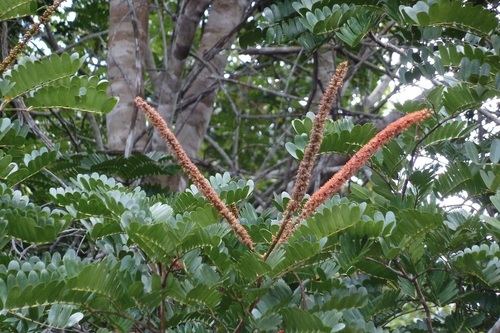
iNaturalist· cc-by-nc
(c) Cesar Massi, some rights reserved (CC BY-NC)
iNaturalist· cc-by-nc
(c) Cesar Massi, some rights reserved (CC BY-NC)
Description
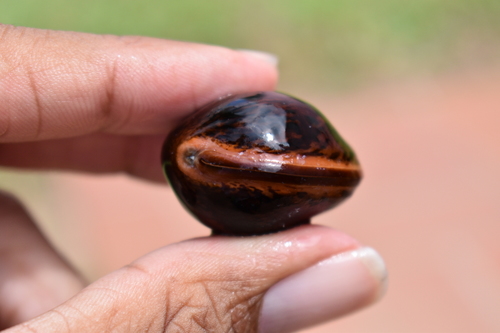
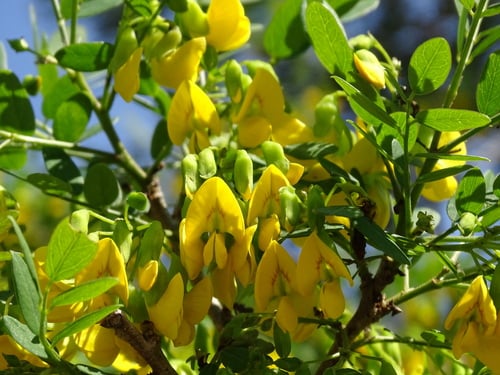
A tree. It grows 15 m tall. It can have spines. The flour clusters are long and yellow. The pods are 14-24 cm long by 1.2-1.5 cm wide. There are 24-33 seeds.
Edible Uses
The aril (layer around the seeds) is eaten raw and used for drinks. The fruit is boiled then ground into flour.
Traditional Uses
The aril of layer around the seeds is eaten raw and used for drinks. The fruit are boiled then ground into flour.
This uses section is brief — help expand it
Medicinal Uses
The fruit is boiled then ground into flour for consumption.
Distribution
It is a subtropical plant. In Argentina it grows from sea level to 500 m above sea level.
Where It Grows
Argentina, Paraguay, South America,
Notes
Also as Mimosaceae.
Also Known As
Algarrobo paraguayo, Pokkateyneg
References (4)
- Fouqué, A. 1972. Espèces fruitières d'Amérique tropicale. Institut français de recherches fruitierès outre-mer
- ILDIS Legumes of the World http:www:ildis.org/Legume/Web
- Polini, G., et al, Useful and edible plants of Paraguay Region of Chaco. p 86
- Scarpa, G. F., 2009, Wild food plants used by the indigenous peoples of South American Gran Chaco: A general synopsis and intercultural comparison. Journal of Applied Botany and Food Quality 83:90-101