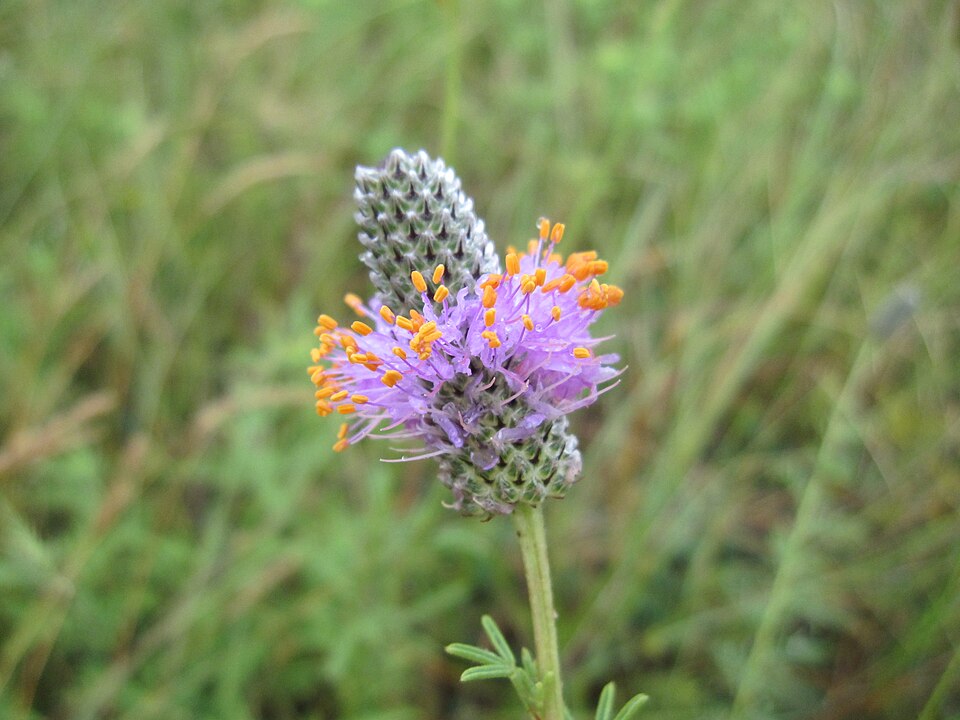
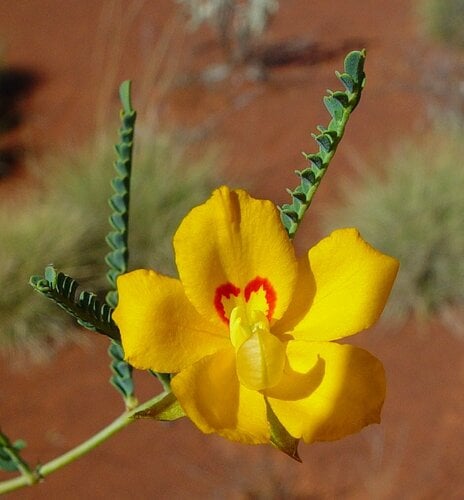
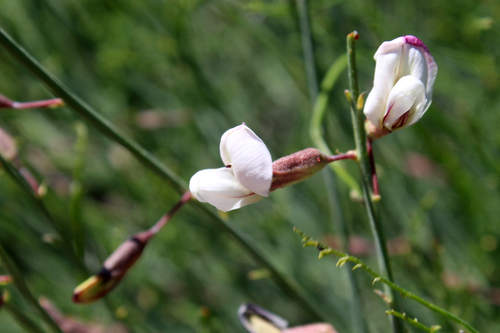
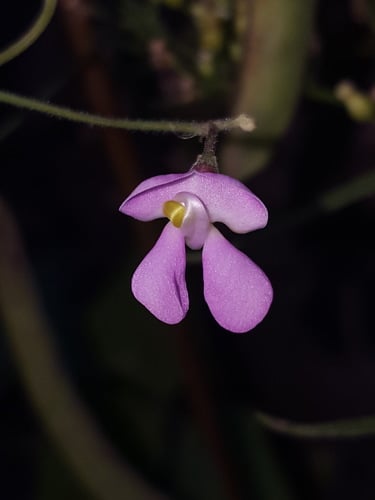
Senna multiglandulosa
(Jacq.) H. S. Irwin & Barneby
iNaturalist· cc-by-nc
(c) Juan Carlos López Domínguez, some rights reserved (CC BY-NC), uploaded by Juan Carlos López Domínguez
iNaturalist· cc-by-nc
(c) Alfonso Gutiérrez Aldana, some rights reserved (CC BY-NC), uploaded by Alfonso Gutiérrez Aldana
iNaturalist· cc-by-nc
(c) Alfonso Gutiérrez Aldana, some rights reserved (CC BY-NC), uploaded by Alfonso Gutiérrez Aldana
Summary
Source: WikipediaSenna multiglandulosa, commonly known as glandular senna, downy senna, or buttercup bush is a species of flowering plant in the family Fabaceae and is native to Mexico, Guatemala, and western parts of South America. It is a shrub with pinnate leaves, usually with six to eight pairs of linear to lance-shaped leaflets, and yellow flowers arranged in groups of ten to twenty, with seven fertile stamens in each flower. It is widely cultivated as an ornamental plant and in some areas of the world has become naturalized.
Description
A tropical shrub in the Fabaceae family that grows in both tropical and arid environments and is cultivated.
This description is brief — help expand it
Edible Uses
Young leaves are cooked and eaten.
Traditional Uses
The young leaves are cooked and eaten. Caution: They contain glucosides that are removed with cooking.
This uses section is brief — help expand it
Known Hazards
The young leaves contain glucosides that are removed with cooking.
Distribution
It is a tropical plant. It can grow in arid places.
Where It Grows
Africa, Bolivia, East Africa, Ecuador, Ethiopia, Kenya, Namibia, Southern Africa, South America*,
Other Information
It is cultivated.
Notes
Also as Caesalpinaceae.
Synonyms
References (3)
- Royal Botanic Gardens, Kew (1999). Survey of Economic Plants for Arid and Semi-Arid Lands (SEPASAL) database. Published on the Internet; http://www.rbgkew.org.uk/ceb/sepasal/internet [Accessed 26th April 2011]
- Torre, de la, L., et al, 2008, Enciclopedia de las Plantas Útiles del Ecuador. Herbario QCA. Pontificia Universidad Católica del Ecuador. p 360
- World Checklist of Useful Plant Species 2020. Royal Botanic Gardens, Kew