Senna obtusifolia
(L.) Irwin & Barneby
Java bean, Foetid Cassia
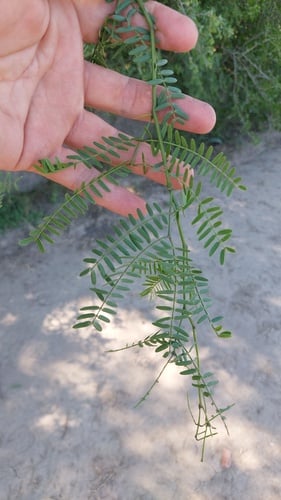
iNaturalist· cc-by-nc
(c) tsuchan, some rights reserved (CC BY-NC)
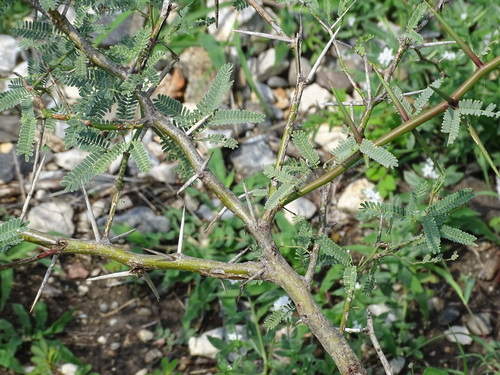
iNaturalist· cc-by-nc
(c) tsuchan, some rights reserved (CC BY-NC)
iNaturalist· cc-by
(c) Ben Mowbray, some rights reserved (CC BY)
Summary
Source: WikipediaSenna obtusifolia, known by common names including Chinese senna, American sicklepod and sicklepod, is a plant in the genus Senna, sometimes separated in the monotypic genus Diallobus. It grows wild in North, Central, and South America, Asia, Africa, and Oceania, and is considered a particularly problematic weed in many places. It has a long-standing history of confusion with Senna tora and that taxon in many sources actually refers to the present species. In the traditional medicine of Eastern Asia, the seeds are called jué míng zǐ in Chinese (simplified: 决明子; traditional: 決明子), gyeolmyeongja in Korean, and ketsumeishi in Japanese. The green leaves of the plant are fermented to produce a high-protein food product called kawal which is eaten by many people in Sudan as a meat substitute. Its leaves, seeds, and root are also used in folk medicine, primarily in Asia. It is believed to possess a laxative effect, as well as to be beneficial for the eyes. As a folk remedy, the seeds are often roasted, then boiled in water to produce sicklepod tea. The plant's seeds are a commercial source of cassia gum, a food additive usually used as a thickener and named for the Chinese Senna's former placement in the genus Cassia. Roasted and ground, the seeds have also been used as a substitute for coffee. In vitro cultures of S. obtusifolia such as hairy roots may be a source of valuable secondary metabolites with medical applications.
Description
An annual or perennial herb. Often it has a bad smell. It can be a shrub 0.6-2.5 m tall. It has slightly hairy stems. The leaf stalk does not have a gland but the axis of the leaf does. The leaf has leaflets in 3 pairs. They are oval and 1-6 cm long by 0.5-3.9 cm wide. The top of the leaf is rounded but with a sharp tip. It is wedge shaped at the base. The flower stalks have one or 2 flowers. The stalk for the flower cluster is very short, but the stalk for the individual flowers is 1-3.5 cm long. The flower petals are orange-yellow and 1-2 cm long. The fruits are thin slightly curved and tapering pods. They are 13-23 cm long and 4-7 mm wide. The seeds are brown. They are 4.5-6.5 cm long by 2-4 mm wide.
Edible Uses
The young leaves are cooked and used as a vegetable, and are fermented into a high-protein supplement. The fermentation juice is made into stew with okra, beef and salt. The seeds are occasionally dried, ground into powder, cooked and eaten, and are also roasted as a coffee substitute.
Traditional Uses
The young leaves are cooked and used as a vegetable. Caution: Older leaves can cause diarrhoea. The leaves are fermented into a high protein supplement to meat. The juice during fermentation is made into a stew with okra, beef and salt. The seeds are occasionally dried and ground into powder and cooked and eaten. Caution: The seeds are possibly poisonous and should be well cooked. Seeds are also roasted and used as a coffee substitute.
Medicinal Uses
The leaves are anthelmintic, laxative and poultice. They are used to rid the body of parasites and as a treatment against vomiting and stomach-ache. Externally, they are used to treat skin infections, sores, ulcers and insect bites. A decoction of the leaves is used to treat eye complaints. The laxative properties of Senna species are attributed to anthraquinones. The roots are used as a laxative and anthelmintic. The seeds are eaten, combined with a leaf decoction, to treat conjunctivitis.
Known Hazards
Older leaves can cause diarrhoea. The seeds are possibly poisonous and should be well cooked.
Distribution
A tropical plant. It grows throughout the tropics. It is mostly a weed of roadsides and waste places. It grows from sea level to 2,000 m altitude. In Papua New Guinea it grows at about 80 m altitude. It grows along rivers and near lakes. In Africa it grows up to 1,700 m altitude. It can grow in arid places.
Where It Grows
Africa, Angola, Argentina, Asia, Australia, Bahamas, Bangladesh, Belgium, Belize, Benin, Bolivia, Botswana, Brazil, Burkina Faso, Burundi, Cameroon, Caribbean, Central Africa, Central African Republic, CAR, Central America, Chad, Colombia, Comoros, Congo DR, Congo R, Costa Rica, Côte d'Ivoire, Dominican Republic, East Africa, Ecuador, El Salvador, Equatorial-Guinea, Ethiopia, Fiji, French Guiana, Gabon, Gambia, Ghana, Guatemala, French Guiana, Guianas, Guinea, Guinée, Guinea-Bissau, Guyana, Haiti, Hawaii, Honduras, India, Indochina, Indonesia, Ivory Coast, Jamaica, Kenya, Laos, Liberia, Libya, Madagascar, Malawi, Malaysia, Mali, Mauritania, Mauritius, Mexico, Middle East, Mozambique, Myanmar, Namibia, Nicaragua, Niger, Nigeria, North Africa, North America, Oman, Pacific, Pakistan, Palestine, Panama, Papua New Guinea, PNG, Paraguay, Peru, Puerto Rico, Reunion, Rwanda, Sao Tome and Principe, Saudi Arabia, SE Asia, Senegal, Sierra Leone, Socotra, Somalia, South Africa, Southern Africa, South America, S Sudan, Sri Lanka, Sudan, Suriname, Tanzania, Togo, Trinidad-Tobago, Uganda, USA, Venezuela, Vietnam, West Africa, West Indies, Yemen, Zambia, Zimbabwe,
Cultivation
It can be grown from seed.
Propagation
Seed - pre-soaking for 12 hours in warm water, or abrading the seed with sand can improve germination rates and reduce germination time.
Other Uses
The seeds, the macerated leaves and the roots provide black, blue, yellow and orange dyes. A yellow phenolic pigment, cassiaxanthone, has been isolated from the roots of Senna species. Myrothecium verrucaria, a fungus isolated from sicklepod, is used for control of nematodes in food crops and ornamental plants and is widely tested as a herbicide against weeds like water hyacinth (Eichhornia crassipes), Chenopodium album and Senna obtusifolia itself. Strains of Fusarium oxysporum and Alternaria cassiae were similarly obtained and showed considerable control of Senna species if applied at the pre-emergence stage. The stems are used to make mats and fences. A natural pioneer within its native range, where it can rapidly colonize open land in the first stage of it returning to forest.
Production
The tender leaves are plucked off the plant.
Other Information
It is not known if they are used in Papua New Guinea. It is cultivated as a vegetable. Young leaves, flowers and seeds are commonly eaten in some places.
Notes
There are 100 Cassia species. This group has been revised to a smaller more consistent group. Also as Caesalpinaceae.
Nutrition
| Part | Moisture | kJ | kcal | Protein | Vit A | Vit C | Iron | Zinc |
|---|---|---|---|---|---|---|---|---|
| Leaves | 79.7 | 251 | 60 | 5.6 | — | 113 | 5.9 | — |
| Seeds | — | — | — | — | — | — | — | — |
Synonyms
Also Known As
Ajada, Bamdisa, Banikonoka tiga, Brusca cimarrona, Brusca hembra, Charamazca, Cheporon, Coffeeweed, Danfurindo, Djambaduro, Ebisu-gusa, Eedo, Elekmari, Emang, Emany, Gelenggang kechil, Gelenggang nasi, Gelenggang sayor, Godach, Kalahan, Ketepeng, Kilikili, Lapirondyek, Low senna, Luga, Luge, Matapasto, Mpala-ntanga, Muong la-ta, Nachanocu, Ombokodriek, Oyado, Palapantin, Pintcheira-do-mato, Pumaria, Riyer, Sicklepod, Tafasa, Tchunta, Thakara, Ubangue, Ulodje
References (55)
- Abbiw, D.K., 1990, Useful Plants of Ghana. West African uses of wild and cultivated plants. Intermediate Technology Publications and the Royal Botanic Gardens, Kew. p 41 (As Cassia obtusifolia)
- Achigan-Dako, E, et al (Eds), 2009, Catalogue of Traditional Vegetables in Benin. International Foundation for Science.
- Addis, G., Asfaw, Z & Woldu, Z., 2013, Ethnobotany of Wild and Semi-wild Edible Plants of Konso Ethnic Community, South Ethiopia. Ethnobotany Research and Applications. 11:121-141
- Agea, J. G., et al 2011, Wild and Semi-wild Food Plants of Bunyoro-Kitara Kingdom of Uganda: etc. Environmental Research Journal 5(2) 74-86
- Andabati, B., & Muyonga, J., 2014, Phenolic content and antioxidant activity of selected Ugandian traditional medicinal foods. African Journal of Food Science. 8(8), pp 427-434 (As Cassia obtusifolia)
Show all 55 references Hide references
- Awas, T., 1997, A Study on the Ecology and Ethnobotany of Non-cultivated Food Plants and Wild Relatives of Cultivated crops in Gambella Region, Southwestern Ethiopia. Addis Ababa University. p 51
- Berihun, T. & Molla, E., 2017, Study on the Diversity and Use of Wild Edible Plants in Bullen District Northwest Ethiopia. Hindawi Journal of Botany. Article ID 8383468
- Bonou, A., et al, 2013, Valeur economique des Produits Forestiers Non Ligneux (PFNL) au Benin. Editions Universitaires Europeennes p 88 (As Cassia obtusifolia)
- Burkill, I.H., 1966, A Dictionary of the Economic Products of the Malay Peninsula. Ministry of Agriculture and Cooperatives, Kuala Lumpur, Malaysia. Vol 1 (A-H) p 484 (As Cassia obtusifolia)
- Dansi, A., et al, 2008, Traditional leafy vegetables and their use in the Benin Republic. Genet Resour Crop Evol (2008) 55:1239–1256
- Dharani, N., 2002, Field Guide to common Trees & Shrubs of East Africa. Struik. p 267
- Diarra, N. et al, 2016, Etude ethnobotanique des plantes alimentaires utilisées en période de soudure dans les régions Sud du Mali. Int. J. Biol. Chem. Sci. 10(1): 184-197
- Ezeagu, I. E., 2009, Nutritional Value of Tropical Plant Seeds. in Modification of Seed Composition to Promote Health and Nutrition. Agronomy Monograph 51. American Society of Agronomy, (As Cassia)
- Facciola, S., 1998, Cornucopia 2: a Source Book of Edible Plants. Kampong Publications, p 67 (As Cassia obtusifolia)
- FAO, 1988, Traditional Food Plants, FAO Food and Nutrition Paper 42. FAO Rome p 156 (As Cassia obtusifolia)
- Food Composition Tables for use in Africa FAO http://www.fao.org/infoods/directory No. 780 (As Cassia obtusifolia)
- Food Composition Tables for use in East Asia FAO http://www.fao.org/infoods/directory No. 728 (As Cassia obtusifolia)
- Gallagher, D. E., 2010, Farming beyond the escarpment: Society, Environment, and Mobility in Precolonial Southeastern Burkina Faso. PhD University of Michigan.
- Godfrey, J. et al, 2013, Harvesting, preparation and preservation of commonly consumed wild and semi-wild food plants in Bunyoro-Kitara Kingdom, Uganda. Int. J. Med. Arom. Plants. Vol.3 No.2 pp 262-282
- Goode, P., 1989, Edible Plants of Uganda. FAO p 36
- Goode, P., 1989, Edible Plants of Uganda. FAO p 39
- Grivetti, L. E., 1980, Agricultural development: present and potential role of edible wild plants. Part 2: Sub-Saharan Africa, Report to the Department of State Agency for International Development. p 42, 70 (As Cassia obtusifolia)
- Grubben, G. J. H. and Denton, O. A. (eds), 2004, Plant Resources of Tropical Africa 2. Vegetables. PROTA, Wageningen, Netherlands. p 459
- Gueye, M. & Meissa, D., 2007, Traditional Leafy Vegetables in Senegal: Diversity and medicinal Uses. Afr. J. Trad. CAM (2007) 4 (4): 469 – 475
- Gunjatkar, N., & Vartak, V.D., 1982, Enumeration of wild edible legumes from Pune District, Maharashtra State. J.Econ. Tax. Bot. Vol 3 pp 1-9 (As Cassia obtusifolia)
- Ibrahim, H. A., et al, 2012, Ethnobotanical Survey of the Wild Edible Food Plants Consumption among Local Communities in Kano State, North-Western, Nigeria, International Journal of Science and Technology. Vol. 2. No. 10 p 4
- Kermath, B. M., et al, 2014, Food Plants in the Americas: A survey of the domesticated, cultivated and wild plants used for Human food in North, Central and South America and the Caribbean. On line draft. p 797
- Kew Plants of the World Online
- Kidane, B., et al, 2014, Wild and semi-wild leafy vegetables used by the Maale and Ari ethnic communities in southern Ethiopia. Genetic Resour Crop Evol. Springer. p 8
- Kumar, R. & Saikia, P., 2020, Wild edible plants of Jharkhand and their utilitarian perspectives. Indian Journal of Traditional Knowledge Vol 19 (2), April 2020, pp 237-250
- Lazarides, M. & Hince, B., 1993, Handbook of Economic Plants of Australia, CSIRO. p 50 (As Cassia obtusifolia)
- Lopez-Diago, D. & Garcia, N., 2021, Wild edible fruits of Colombia. Biota ColomBiana 22 (2) p 39
- Lulekal, E., et al, 2011, Wild edible plants in Ethiopia: a review on their potential to combat food insecurity. Afrika Focus - Vol. 24, No 2. pp 71-121
- Martin, F.W. & Ruberte, R.M., 1979, Edible Leaves of the Tropics. Antillian College Press, Mayaguez, Puerto Rico. p 198 (As Cassia obtusifolia)
- Mertz, O., Lykke, A. M., and Reenberg, A., 2001, Importance and Seasonality of Vegetable Consumption and Marketing in Burkina Faso. Economic Botany, 55(2):276-289 (As Cassia obtusifolia)
- Muller, J. & Almedom, A. M., 2008, What is “Famine Food”? Distinguishing Between Traditional Vegetables and Special Foods for Times of Hunger/Scarcity (Boumba, Niger). Hum Ecol (2008) 36:599–607 (As Cassia obtusifolia)
- Mutie, F. M., et al, 2023, Important Medicinal and Food Taxa (Orders and Families) in Kenya, Based on Three Quantitative Approaches. Plants 2023, 12, 1145
- Ojelel, S. & Kakudidi, E. K., 2015, Wild edible plant species utilized by a subsistence farming community in the Obalanga sub-county, Amuria district, Uganda. Journal of Ethnobiology and Ethnomedicine. 11:7 (As Cassia obtusifolia)
- Ojelel, S., et al, 2019, Wild edible plants used by communities in and around selected forest reserves of Teso-Karamoja region, Uganda. Journal of Ethnobiology and Ethnomedicine (2019) 15:3
- Pham-Hoang Ho, 1999, An Illustrated Flora of Vietnam. Nha Xuat Ban Tre. p 851 (As Cassia obtusifolia)
- Roa, J. A. G. & Boada, D. S. G., 2018, Fundación para el Fortalecimiento de la Fruticultura y Plantas Alimenticias no Convencionales en Colombia.
- Rubaihayo, E. B., Conservation and use of traditional vegetables in Uganda. Bioversity International. (As Cassia obtusifolia)
- Scarpa, G. F., 2009, Wild food plants used by the indigenous peoples of South American Gran Chaco: A general synopsis and intercultural comparison. Journal of Applied Botany and Food Quality 83:90-101
- Singh, V. and Singh, P., 1981, Edible Wild Plants of Eastern Rajasthan. J. Econ. Tax. Bot. Vol 2 pp 197-207 (As Cassia obtusifolia)
- Sp. pl. 1:377. 1753 (As Cassia obtusifolia)
- Tanaka, (As Cassia obtusifolia)
- Ubom, R. M., 2010, Ethnobotany and Diversity Conservatioon in the Niger Delta, Nigeria. International Journal of Botany. 6(3): 310-322
- Vanderjagt, F. J., et al, 2000, The trypsin inhibitor content of 61 wild edible plant foods of Niger. Plant Foods for Human Nutrition 55: 335–346, 2000. (As Cassia)
- Verdcourt, B., 1979, Manual of New Guinea Legumes. Botany Bulletin No 11, Division of Botany, Lae, Papua New Guinea. p 51 (As Cassia obtusifolia)
- Vernon, R., 1983, Field Guide to Important Arable Weeds of Zambia. Dept of Agriculture, Chilanga, Zambia. p 38 (As Cassia obtusifolia)
- Wild edible plants of Himachal Pradesh (As Cassia obtusifolia)
- World Checklist of Useful Plant Species 2020. Royal Botanic Gardens, Kew
- Yaradua, S. S. & El-Ghani, M. A., 2015, Ethnobotanical Survey of Edible Plants Sold in Katsina Metropolis Markets.International Journal of Science and Research (IJSR). 4(12)
- Yesodharan, K. & Sujana, K. A., 2007, Wild edible plants traditionally used by the tribes in the Parambokulam Wildlife Sanctuary, Kerala, India. Natural Product Radiance 6(1) pp 74-80 (As Cassia obtusifolia)
- Yimer, A., et al, 2021, Ethnobotanical study of wild edible plants used by Meinit Ethnic Community at Bench-Maji Zone, Southwest Ethiopia. Research Square. p 6