Senna pendula
(Humb. & Bonpl. ex Willd.) H. S. Irwin & Barneby
Christmas cassia, Climbing senna, Golden senna
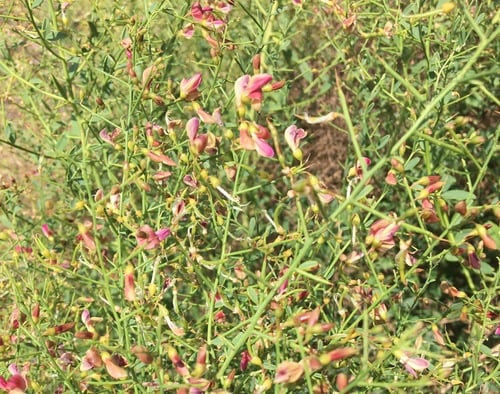
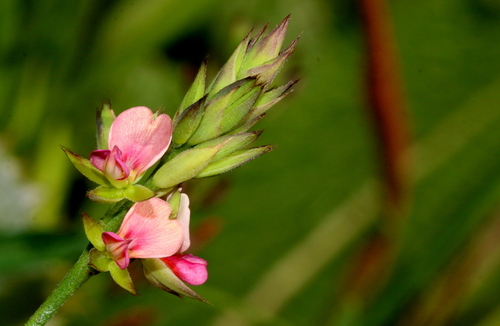
iNaturalist· cc-by-nc
(c) Jared Gorrell, some rights reserved (CC BY-NC)
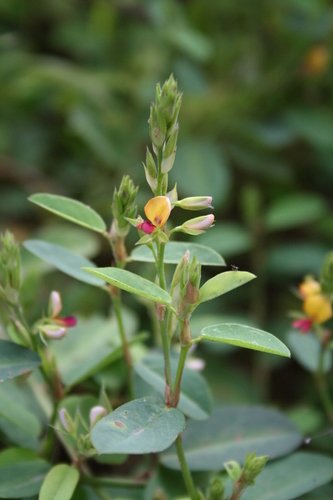
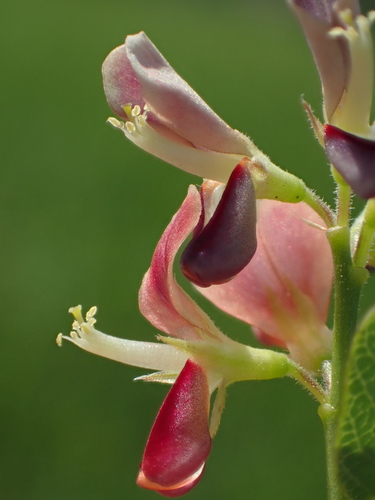
iNaturalist· cc-by-nc
(c) Pete Corradino, some rights reserved (CC BY-NC)
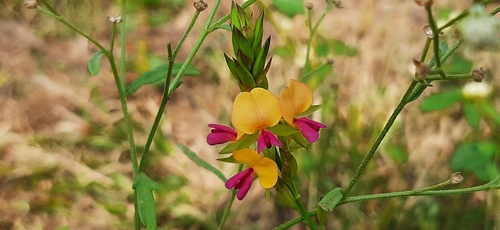
iNaturalist· cc-by-nc
(c) Anthony Sousa, some rights reserved (CC BY-NC)
Summary
Source: WikipediaSenna pendula, also known as Easter Cassia, Christmas Senna, winter Senna, climbing Cassia, golden shower, pendant Senna and valamuerto, is a plant of the Fabaceae family with a shrub habit that is native to South America. It used in various parts of the world as an ornamental plant and is an environmental weed in Australia. The flowers are yellow and the name pendula means 'pendulous' or 'drooping'.
Description
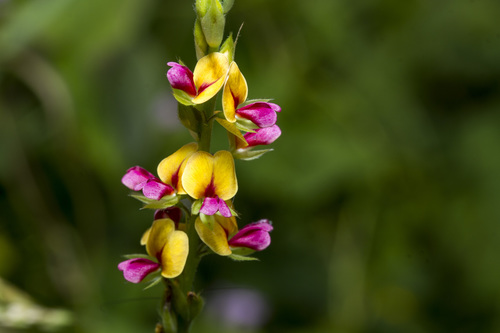
An evergreen shrub. It grows 1-8 m talll. The leaves are alternate and compound. They are 6-13 cm long. There are 3-6 pairs of leaflets. They are oblong. The flowering shoots have 3-12 flowers. They are near the tips of the stems. The flowers are yellow or yellowish-green. The fruit is a cylinder shaped pod. It is slender, smooth and dark green. It is 7-12 cm long.
Edible Uses
The fruit pulp is eaten.
Distribution
It is a tropical plant. It grows in the lowlands and up to 100 m above sea level.
Where It Grows
Asia, Bolivia, Central America, Indonesia, Mexico, Peru, SE Asia, South America*,
Cultivation
Plants can be grown from seeds.
Synonyms
Also Known As
Desconocido, Ketepeng emas, Ketepeng natal
References (4)
- Bendezu, Y. F., 2018, Arboles nativos de lad Region Ucayali. Instituto Nacional de Innovacion Agraria. p 146
- Flores, Y., 2018, Arboles nativos de la Region Ucayili. Estacion Experimental Agragia Pucallpa. Pucallpa Peru, 375 p. p 146
- Kermath, B. M., et al, 2014, Food Plants in the Americas: A survey of the domesticated, cultivated and wild plants used for Human food in North, Central and South America and the Caribbean. On line draft. p 797
- Sukarya, D. G., (Ed.) 2013, 3,500 Plant Species of the Botanic Gardens of Indonesia. LIPI p 713