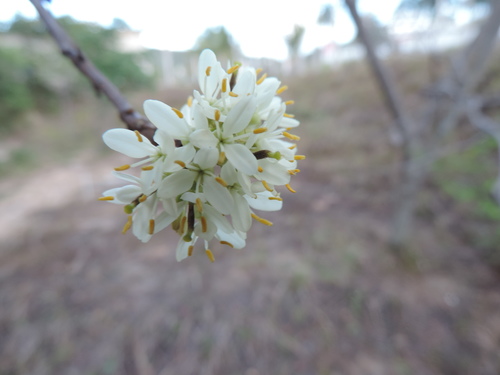
Cynometra bauhiniifolia
Benth.
Bauhinia leaf cynometra
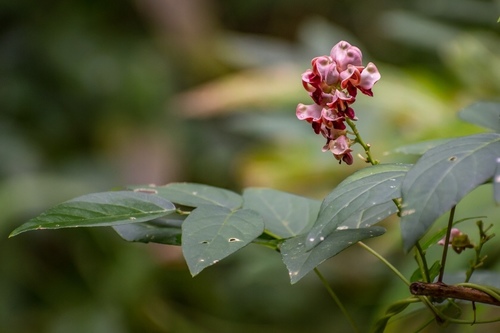
iNaturalist· cc-by-nc
(c) Jan Meerman, some rights reserved (CC BY-NC), uploaded by Jan Meerman
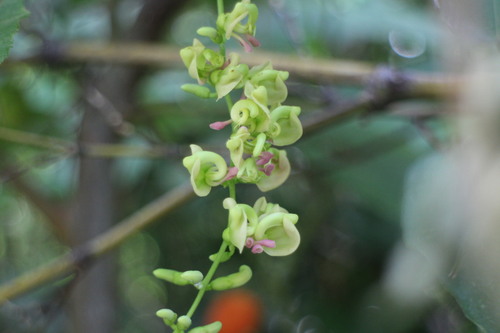
iNaturalist· cc-by-nc
(c) Jan Meerman, some rights reserved (CC BY-NC), uploaded by Jan Meerman
Description
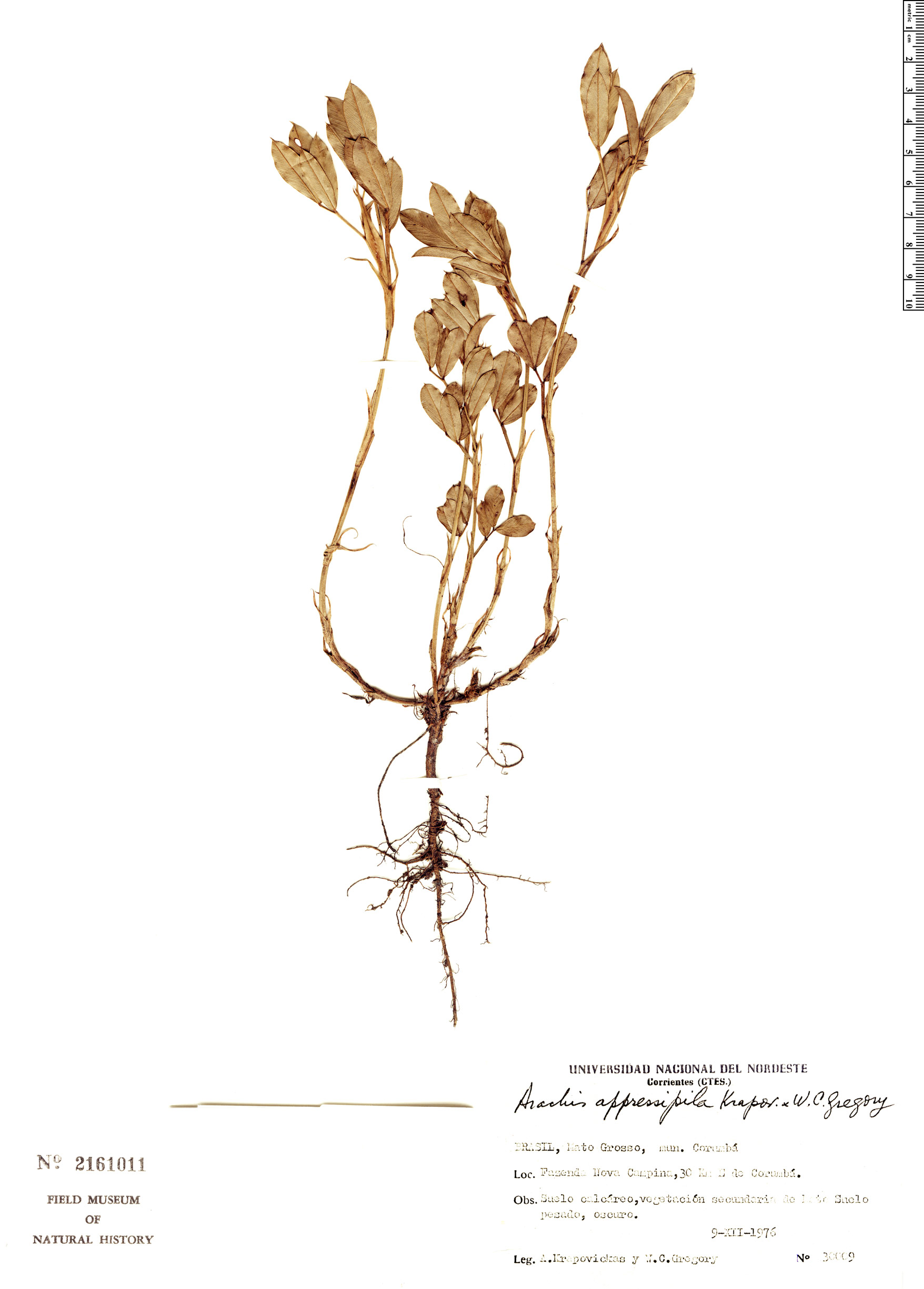
A large tree. The leaves have 2 leaflets with a small notch at the tip. The flowers are white. The fruit are fleshy with a large seed.
This description is brief — help expand it
Edible Uses
The fleshy fruit are eaten.
Distribution
It is a tropical plant. It is rare and usually grows along rocky streams. In Argentina it grows below 500 m above sea level.
Where It Grows
Argentina, Brazil, Central America, Chile, Colombia, Costa Rica, Ecuador, Guatemala, Guiana, Guianas, Guyana, Panama, Paraguay, South America*, Suriname, Venezuela,
Cultivation
The tree flowers and produces fruit several times a year.
Other Uses
The heartwood is reddish-brown; the sapwood is pink. The wood is soft, light in weight, compact, elastic. It has a tendency to split when drying. Whilst not considered to be a top quality timber, it is used in general carpentry and for making small articles. The wood makes a good fuel.
Notes
It is rare. Also as Caesalpinaceae.
Synonyms
Also Known As
Cocobolo, Pezuna de vaca, Puyango, Tillo colorado
References (6)
- Condit, R., et al, 2011, Trees of Panama and Costa Rica. Princeton Field Guides. p 180
- Grandtner, M. M., 2008, World Dictionary of Trees. Wood and Forest Science Department. Laval University, Quebec, Qc Canada. (Internet database http://www.WDT.QC.ca)
- Grandtner, M. M. & Chevrette, J., 2013, Dictionary of Trees, Volume 2: South America: Nomenclature, Taxonomy and Ecology. Academic Press p 190
- Kew Plants of the World On line
- Roa, J. A. G. & Boada, D. S. G., 2018, Fundación para el Fortalecimiento de la Fruticultura y Plantas Alimenticias no Convencionales en Colombia.
Show all 6 references Hide references
- Torre, de la, L., et al, 2008, Enciclopedia de las Plantas Útiles del Ecuador. Herbario QCA. Pontificia Universidad Católica del Ecuador. p 336