Brassica rapa subsp. chinensis
(L.) Kitamura
Bok-choy Celery cabbage
gbif· cc0
Connor Sydney (Squid)
gbif· cc-by-nc
Hugo Sun
gbif· cc0
Connor Sydney (Squid)
Summary
Source: WikipediaBrassica rapa is an annual to biennial plant species native to Eurasia that is from the Brassicaceae family. It has been widely cultivated into many forms, including the turnip (a root vegetable), komatsuna, Chinese cabbage, bomdong, pak choi / bok choy, and rapini. Its domesticated forms include turnips and leafy greens, such as bok choy and napa cabbage. The oilseed types are grown for food and industrial uses. Genetic studies indicate that B. rapa was one of the earliest domesticated brassicas, with turnip-like forms arising first and additional morphotypes developing independently across Eurasia. Wild, feral, and cultivated populations are found worldwide, making the species important agriculturally, economically, and ecologically. Brassica rapa subspecies oleifera is an oilseed commonly known as turnip rape, field mustard, bird's rape, and keblock. Rapeseed oil is a general term for oil from some Brassica species. Food grade oil made from the seed of low-erucic acid Canadian-developed strains is also called canola oil, while non-food oil is called colza oil. Canola oil can be sourced from Brassica rapa and Brassica napus, which are commonly grown in Canada, and Brassica juncea, which is less common.
Description
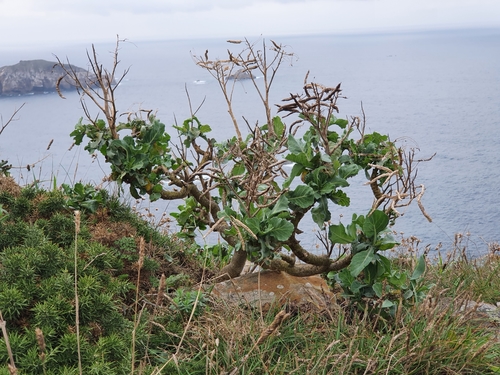
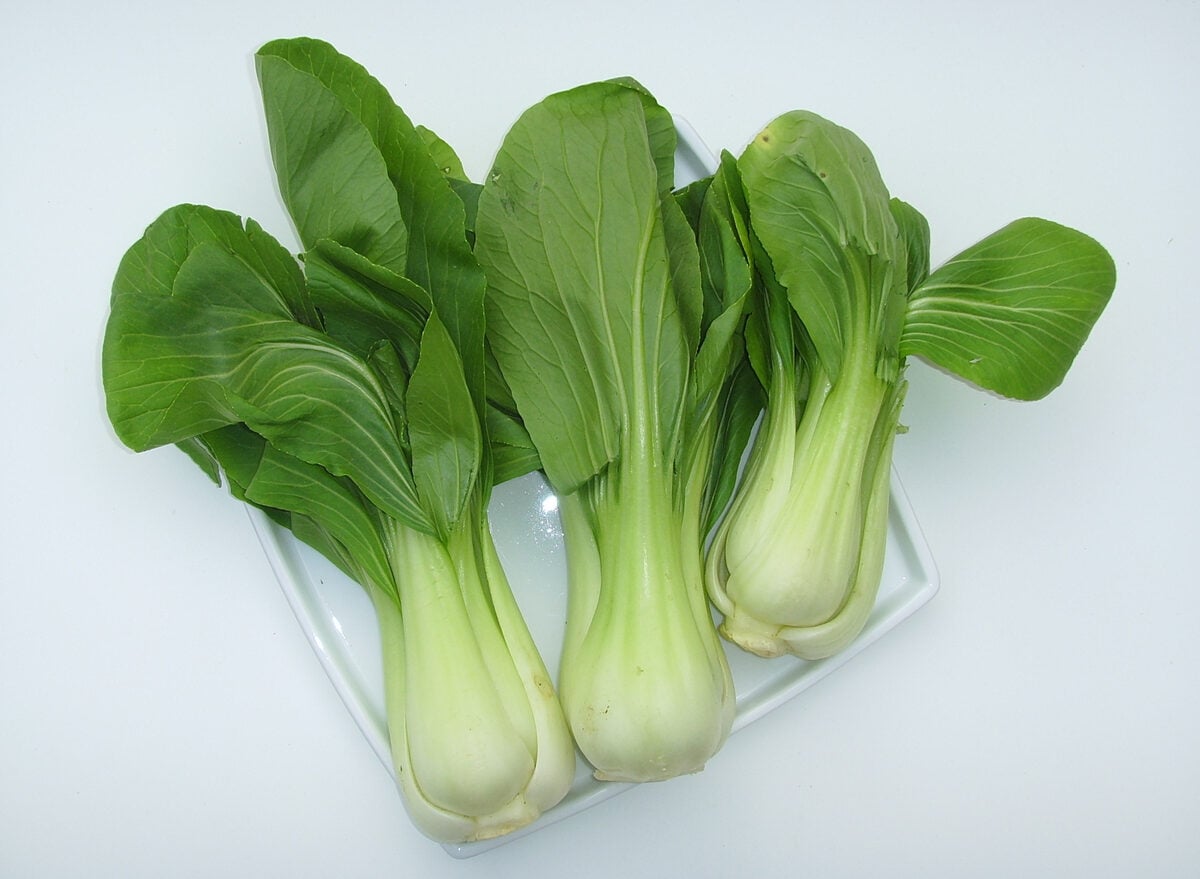
A leafy cabbage grown as an annual. It grows 40-60 cm high. The taproot is not fleshy. The stem is short. The leaves are arranged in spirals. They are simple and broadly oval. They can be 30 cm long by 10 cm wide. The leaves form a rosette. They do not form a head. The leaf stalk is thickened. It forms a half cylinder in cross section and does not have wings. The leaf blade is entire and can have a wavy edge. Flowers are small and yellow with 4 petals. The fruit is a pod 3.5 cm long. The seeds are black and 2 mm long. Several different kinds occur.
Edible Uses
The leaves are cooked and eaten, and the stems are cooked and served with oyster sauce. Flowers are also edible.
Traditional Uses
The leaves are cooked and eaten. The stems are cooked and served with oyster sauce.
This uses section is brief — help expand it
Medicinal Uses
Cultivated varieties of B. rapa are consumed commonly as vegetables, such as turnip roots, napa cabbage, komatsuna, pak choi, and other leafy greens, particularly in East Asian, South Asian, and Mediterranean cuisines. The young leaves are a leaf vegetable eaten raw, while older leaves are typically cooked. The taproot and seeds can also be eaten raw, although the seeds contain an oil that can cause irritation for some people. Rapeseed oil from the plant is also used to make canola and colza oils. B. rapa is also commonly used as a rotational cover crop for vegetables due to its ability to prevent erosion and deter disease. Because of their fast life-cycle and genetic diversity, the B. rapa cultivar Wisconsin Fast Plants is widely used in genetics and plant biology education.
Distribution
A tropical plant. More common in lowland areas but will grow in the highlands. It suits cool seasons but will not tolerate frost. In PNG it grows between sea level and 2,300 m above sea level.
Where It Grows
Africa, Asia, Australia, Bougainville, Canada, China, Congo DR, Cook Islands, Cuba, East Africa, Fiji, FSM, Guam, Hawaii, Indochina, Indonesia, Japan, Kiribati, Madagascar, Malawi, Mozambique, Nauru, Nigeria, North America, Pacific, Papua New Guinea, PNG, Philippines, Pohnpei, Rotuma, Samoa, SE Asia, Singapore, Solomon Islands, Sri Lanka, St. Vincent and Grenadines, Tasmania, Thailand, Tonga, Tuvalu, USA, Vanuatu, Vietnam, West Africa, West Indies, West Timor,
Cultivation
Plants are grown from seed and often transplanted. A spacing of 40 cm x 40 cm is suitable. Seeds are sown direct. They are sown 1 cm deep. They germinate in about 7 days with soil temperature of 21°C. Plants are thinned to about 20 cm between plants.
Production
The whole plant is harvested after 2-3 months.
Other Information
It is a commercially cultivated vegetable. They are common and popular in lowland areas of Papua New Guinea.
Notes
There are about 30 Brassica species and many cultivated varieties.
Synonyms
Also Known As
Broad-beak mustard, Caisin, Celery mustard, Chinese cabbage, Chinese mustard, Chinese savoy, Chinese white cabbage, Choi sum, False pak-choi, Flat cabbage, Flowering white cabbage, Kisaragina, Mock pak-choi, Mustard cabbage, Pak choy, Ramirebaka, Ramiriba, Taatsai, Tah Tsai, Te kabiti n Tiaina, Tsoi sum, Yow choy
References (55)
- Brouk, B., 1975, Plants Consumed by Man. Academic Press, London. p 92
- Chin, H. F., 1999, Malaysian Vegetables in Colour. Tropical Press. p 14 (As Brassica chinensis var. parachinensis and Brassica campestris var. chinensis)
- Cundall, P., (ed.), 2004, Gardening Australia: flora: the gardener's bible. ABC Books. p 256
- Epenhuijsen C.W. van., 1974, Growing Native vegetables in Nigeria. FAO Rome, p 40
- Facciola, S., 1998, Cornucopia 2: a Source Book of Edible Plants. Kampong Publications, p 55
Show all 55 references Hide references
- Flora of China. www.eFloras.org Volume 8
- Foo, J.T.S.(ed), 1996, A Guide to Common Vegetables. Singapore Science Foundation. p 36
- Foo, J.T.S.(ed), 1996, A Guide to Common Vegetables. Singapore Science Foundation. p 38 (as Brassica chinensis var. parachinensis)
- French, B.R., 1986, Food Plants of Papua New Guinea, A Compendium. Asia Pacific Science Foundation p 113
- French, B.R., 2010, Food Plants of Solomon Islands. A Compendium. Food Plants International Inc. p 144
- Jacquat, C., 1990, Plants from the Markets of Thailand. D.K. Book House p 38 (As Brassica chinensis var. rosularis)
- Jardin, C., 1970, List of Foods Used In Africa, FAO Nutrition Information Document Series No 2.p 61 (As Brassica sinensis)
- Kays, S. J., and Dias, J. C. S., 1995, Common Names of Commercially Cultivated Vegetables of the World in 15 languages. Economic Botany, Vol. 49, No. 2, pp. 115-152
- Kiple, K.F. & Ornelas, K.C., (eds), 2000, The Cambridge World History of Food. CUP p 1755
- Larkcom, J., 1991, Oriental Vegetables, John Murray, London, p 21
- Latham, P., 2004, Useful Plants of Bas-Congo province. Latham & DFID p 57
- Latham, P. & Mbuta, A. K., 2014, Useful Plants of Bas-Congo Province, Democratic Republic of Congo. Volume 1. Salvation Army. p 85
- Lazarides, M. & Hince, B., 1993, Handbook of Economic Plants of Australia, CSIRO. p 37
- Macmillan, H.F. (Revised Barlow, H.S., et al), 1991, Tropical Planting and Gardening. Sixth edition. Malayan Nature Society. Kuala Lumpur. p 362
- Martin, F.W. & Ruberte, R.M., 1979, Edible Leaves of the Tropics. Antillian College Press, Mayaguez, Puerto Rico. p 187
- Martin, F.W. & Ruberte, R.M., 1979, Edible Leaves of the Tropics. Antillian College Press, Mayaguez, Puerto Rico. p 187 (As Brassica sinensis)
- Mem. Coll. Sci. Kyoto Imp. Univ., Ser. B, Biol. 19(3):79. 1950
- Miguel, E., et al, 1989, A checklist of the cultivated plants of Cuba. Kulturpflanze 37. 1989, 211-357
- Niwano, Y. et al., 2009, Extensive Screening for Plant Foodstuffs in Okinawa, Japan with Anti-Obese Activity on Adipocytes, in vitro. Plant Foods in Human Nutrition 64:6-10
- Onwueme, I.C., 1978, The Tropical Tuber Crops. Wiley, p 379 (As Brassica chinensis var. rosularis)
- Oomen, H.A.P.C., & Grubben, G.J.H., 1978, Tropical Leaf Vegetables in Human Nutrition, Communication 69, Department of Agricultural research, RTI Amsterdam, p 36, 50,
- Owen, S., 1993, Indonesian Food and Cookery, INDIRA reprints. p 82
- Pham-Hoang Ho, 1999, An Illustrated Flora of Vietnam. Nha Xuat Ban Tre. p 603
- Plants for a Future database, The Field, Penpol, Lostwithiel, Cornwall, PL22 0NG, UK. http://www.scs.leeds.ac.uk/pfaf/
- Plants for a Future database, The Field, Penpol, Lostwithiel, Cornwall, PL22 0NG, UK. http://www.scs.leeds.ac.uk/pfaf/ (As Brassica rapa subsp. chinensis var. parachinensis)
- Purseglove, J.W., 1968, Tropical Crops Dicotyledons, Longmans. p 91
- Schneider, E., 2001, Vegetables from Amaranth to Zucchini: The essential reference. HarperCollins. p 97
- Sillitoe, P. 1995, An Ethnobotanical Account of the Plant Resources of the Wola Region, Southern Highlands Province, Papua New Guinea. J. Ethnobiol. 15(2): 201-235
- Smith, K., 1998. Growing Uncommon Fruits and Vegetables. New Holland. p 62
- Smith, K., 1998. Growing Uncommon Fruits and Vegetables. New Holland. p 56 (as Brassica chinensis var. parachinensis)
- Staples, G.W. and Herbst, D.R., 2005, A tropical Garden Flora. Bishop Museum Press, Honolulu, Hawaii. p 202
- Terra, G.J.A., 1973, Tropical Vegetables. Communication 54e Royal Tropical Institute, Amsterdam, p 30
- Thaman, R.R., 1976, The Tongan Agricultural System, University of the South Pacific, Suva, Fiji. p 383
- Thaman, R. R, 2016, The flora of Tuvalu. Atoll Research Bulletin No. 611. Smithsonian Institute p 73 (As Brassica chinensis)
- Thomson, G. & Morgan, W., (Ed.) 2002, Access to Asian Foods Newsletter, Vic Govt., Australia Issue 51
- Tindall, H.D., & Williams, J.T., 1977, Tropical Vegetables and their Genetic Resources, International Board for Plant Genetic Resources, Rome, p 86
- Tindall, H.D., 1983, Vegetables in the tropics. Macmillan p. 110
- Toxopeus, H. & Baas, J., 2004. Brassica rapa L. [Internet] Record from Protabase. Grubben, G.J.H. & Denton, O.A. (Editors). PROTA (Plant Resources of Tropical Africa), Wageningen, Netherlands. < http://database.prota.org/search.htm>. Accessed 14 October 2009. (Covering most of "Chinese cabbage" group.
- Tronickova, E. & Krejcova, Z., 1987, Ortaggi, Instituto Geografico de Agostini, Cecoslovacchia. p 84
- USDA, ARS, National Genetic Resources Program. Germplasm Resources Information Network - (GRIN). [Online Database] National Germplasm Resources Laboratory, Beltsville, Maryland. Available: www.ars-grin.gov/cgi-bin/npgs/html/econ.pl (10 April 2000) (As Brassica rapa subsp. chinensis var. parachinensis)
- USDA, ARS, National Genetic Resources Program. Germplasm Resources Information Network - (GRIN). [Online Database] National Germplasm Resources Laboratory, Beltsville, Maryland. Available: www.ars-grin.gov/cgi-bin/npgs/html/econ.pl (10 April 2000) (As Brassica rapa subsp. narinosa)
- van Wyk, B., 2005, Food Plants of the World. An illustrated guide. Timber press. p 107
- van Wyk, B., 2005, Food Plants of the World. An illustrated guide. Timber press. p 108 (As Brassica rapa var. parachinensis)
- Walter, A. & Lebot, V., 2007, Gardens of Oceania. ACIAR Monograph No. 122. p 235 (Also as parachinensis)
- Wiersema, J. H. & Leon, B., 2013, World Economic Plants. A Standard Reference CRC Press. 2nd Ed. p 115
- Williamson, J., 2005, Useful Plants of Malawi. 3rd. Edition. Mdadzi Book Trust. p 43
- Woodward, P., 2000, Asian Herbs and Vegetables. Hyland House. p 38
- Woodward, P., 2000, Asian Herbs and Vegetables. Hyland House. p 40 (As Brassica rapa subsp. chinensis var. parachinensis)
- Zeven, A. C. & de West, J. M. J., 1982, Dictionary of cultivated plants and their regions of diversity. Wageningen. p 34
- Zhou Taiyan, Lu Lianli, Yang Guang, Ihsan A. Al-Shehbaz, BRASSICACEAE (CRUCIFERAE), Flora of China.
More from Brassicaceae
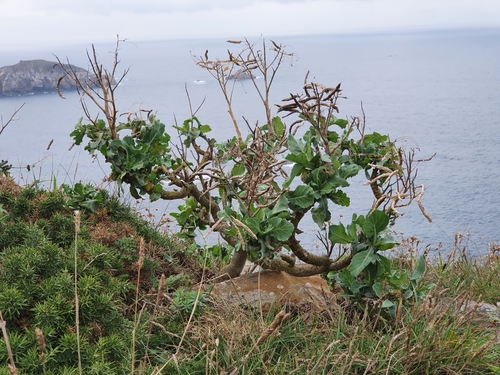
Brassica oleracea var. sabauda
Savoy Cabbage
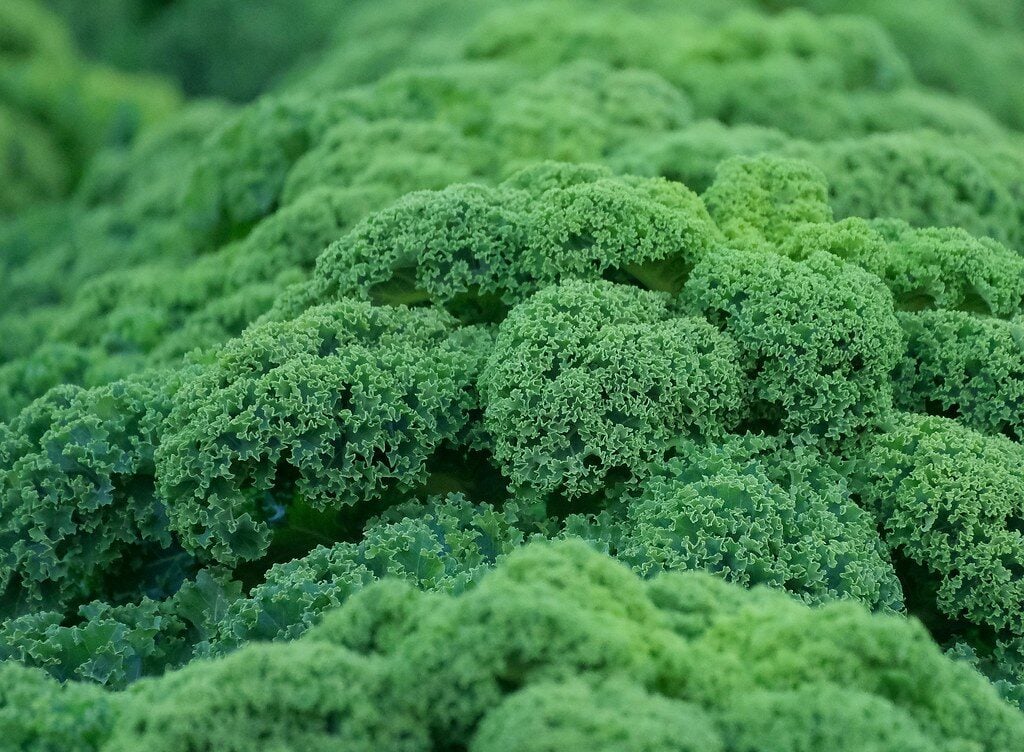
Brassica oleracea var. sabellica
Borecole, Curly kale, Dwarf Siberian kale, Kitchen kale, Portuguese kale
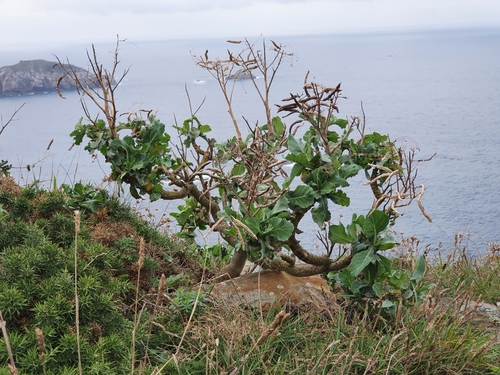
Brassica oleracea var. tronchuda
Portugese cabbage, Couve tronchuda, Galician cabbage, Braganza, Sea-kale cabbage
Brassica oleracea var. viridis
Collards, Spring-heading cabbage, Tall kale
Brassica oleracea x
Big stem broccoli
Brassica rapa
Wild turnip