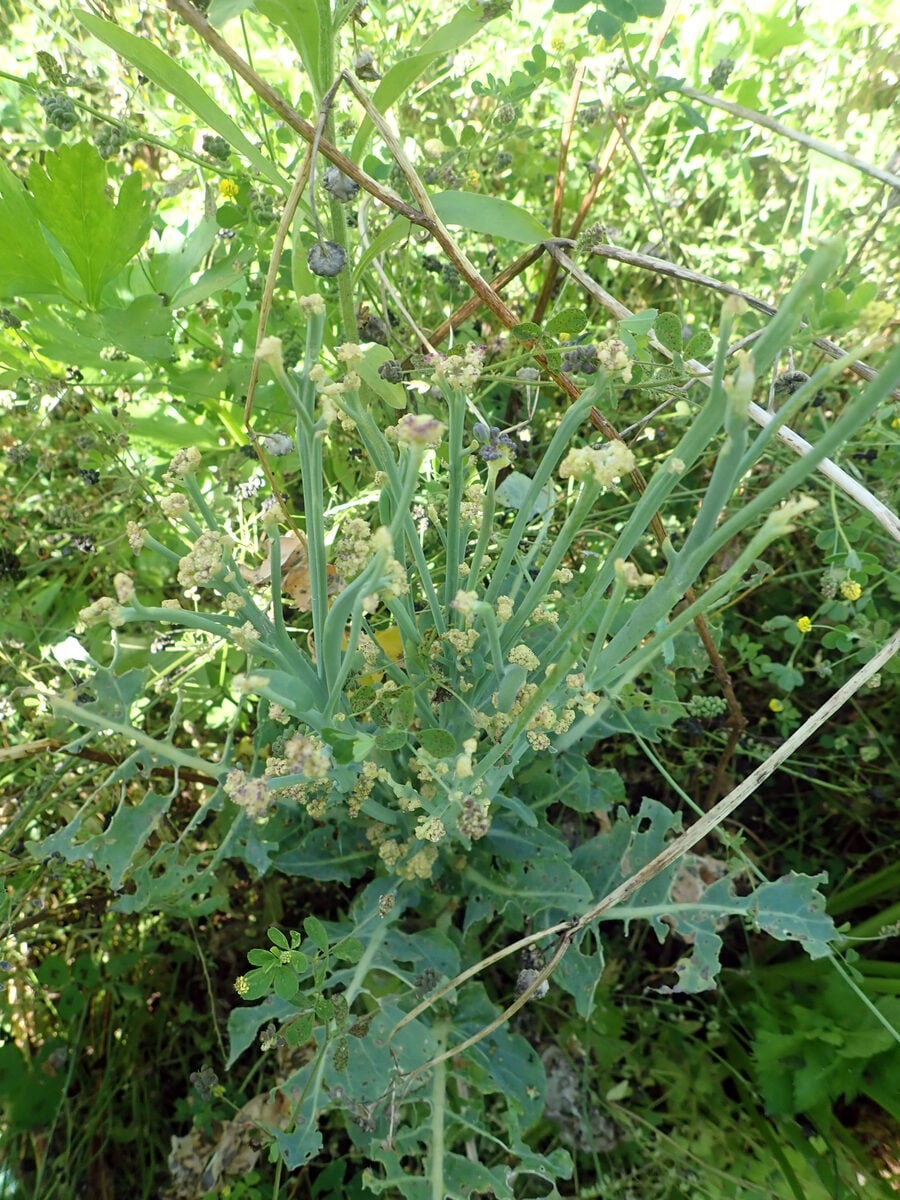
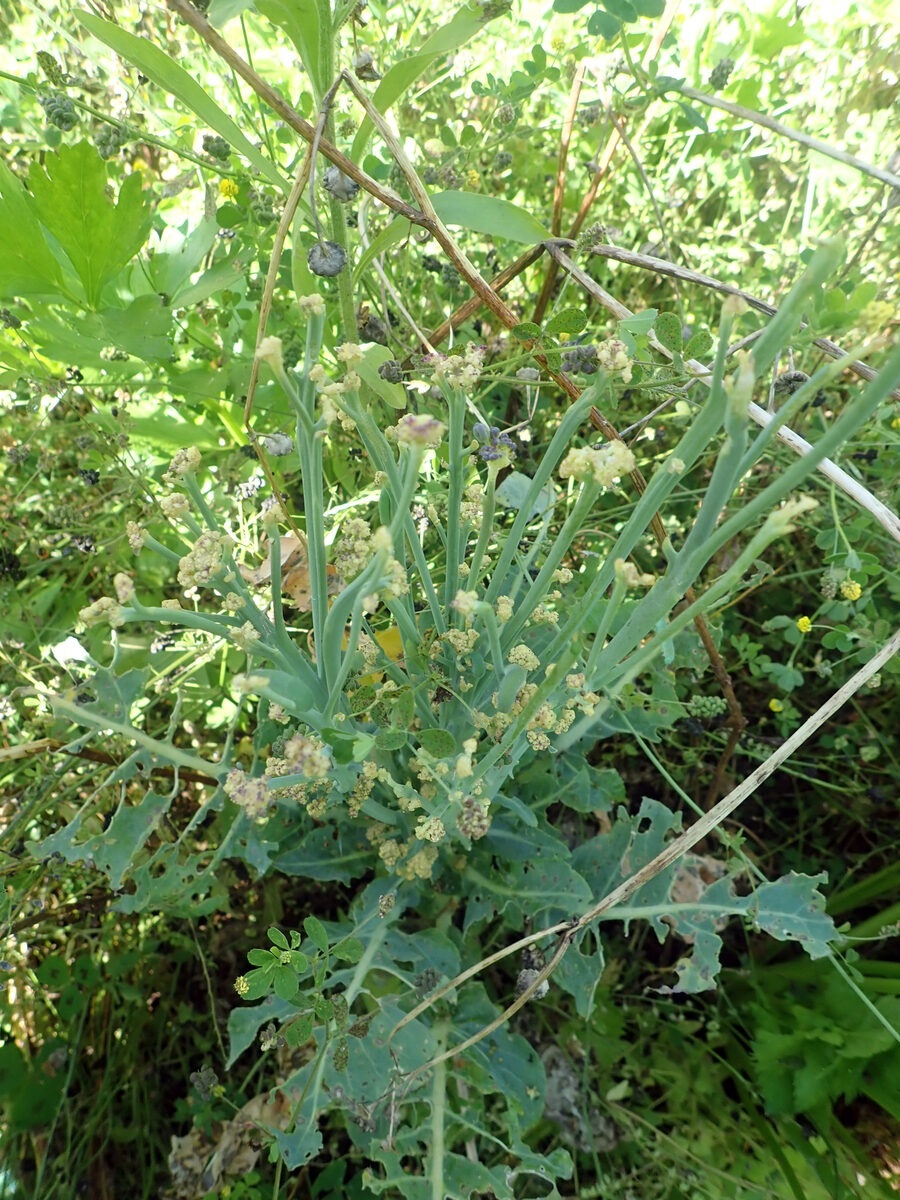
Erucaria hispanica
(L.) Druce
iNaturalist· cc-by-nc
(c) דבורה שיצר, some rights reserved (CC BY-NC), uploaded by דבורה שיצר
iNaturalist· cc-by
(c) Jacky Judas, some rights reserved (CC BY), uploaded by Jacky Judas
Summary
An annual or biennial herb with hermaphroditic flowers. Grows in light sandy, medium loamy, or heavy clay soils. Tolerates mildly acid, neutral, and mildly alkaline pH. Can grow in semi-shade or full sun and prefers moist soil conditions.
Description
A herb. It can grow for one or two years. It grows 80 cm high. It develops branches low down. The leaves are twice divided into narrow lobes. The leaves at the base are almost in a ring. They are 10-18 cm long and 4-5 cm wide. The higher leaves are smaller. The flowers are about 1 cm across and mauve. There are about 30-45 flowers in a loose flower arrangement. The fruit is dry and long. It is about 10-15 mm long. It is fatter at the top end.
Edible Uses
The fleshy leaves and young shoots can be eaten raw or cooked.
Traditional Uses
The leaves are eaten raw. The stems and leaves are used as a vegetable.
This uses section is brief — help expand it
Medicinal Uses
None known
Distribution
A Mediterranean plant. It can grow in arid places.
Where It Grows
Africa, Asia, Bahrain, Britain, Cyprus, Egypt, Ethiopia, Europe, Greece, Iran, Iraq, Israel, Italy, Kuwait, Lebanon, Mediterranean, Middle East, North Africa, Oman, Pakistan, Saudi Arabia, Spain, Syria, United Arab Emirates, UAE,
Propagation
Seed — no further details available.
Other Uses
None known Special Uses
Synonyms
Also Known As
Kotsinolapsana, Lapsana
References (3)
- Della, A., et al, 2006, An ethnobotanical survey of wild edible plants of Paphos and Larnaca countryside of Cyprus. J. Ethnobiol. Ethnomed. 2:34
- Royal Botanic Gardens, Kew (1999). Survey of Economic Plants for Arid and Semi-Arid Lands (SEPASAL) database. Published on the Internet; http://www.rbgkew.org.uk/ceb/sepasal/internet [Accessed 15th April 2011]
- World Checklist of Useful Plant Species 2020. Royal Botanic Gardens, Kew
More from Brassicaceae
Brassica oleracea var. botrytis
Cauliflower
Brassica oleracea var. botrytis var.
Broccoli Romanesco
Brassica oleracea var. botrytis var. asparagoides
Nine star perennial broccoli
Brassica oleracea var. capitata
Cabbage
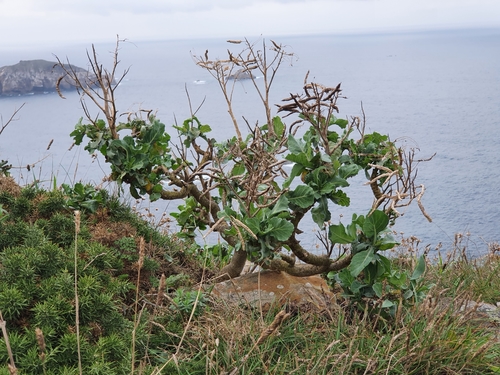
Brassica oleracea var. fruticosa
Thousand-headed kale
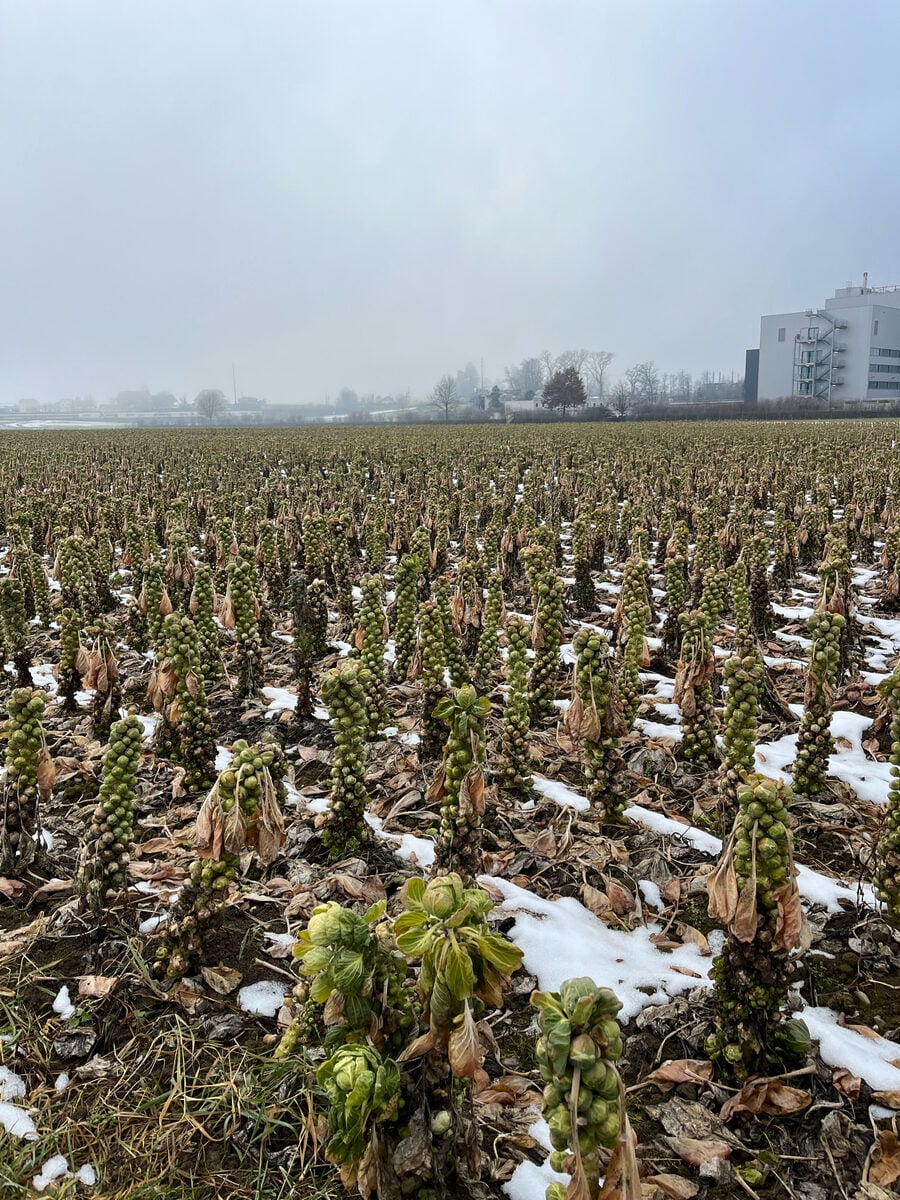
Brassica oleracea var. gemmifera
Brussels sprouts