Ficus cumingii
Miq.
iNaturalist· cc-by
(c) Cheng-Tao Lin, some rights reserved (CC BY), uploaded by Cheng-Tao Lin
iNaturalist· cc-by-nc
(c) Chun Xing Wong, some rights reserved (CC BY-NC)
iNaturalist· cc-by-nc
(c) Chun Xing Wong, some rights reserved (CC BY-NC)
Description
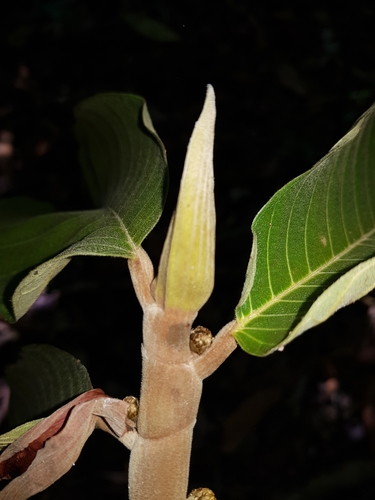
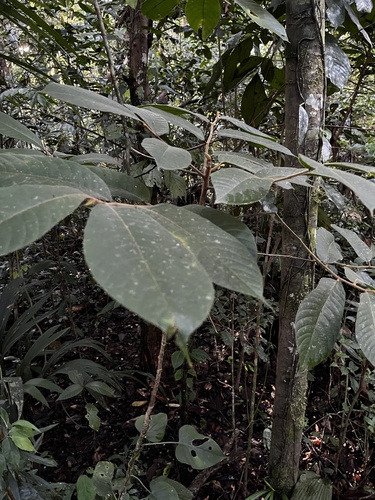
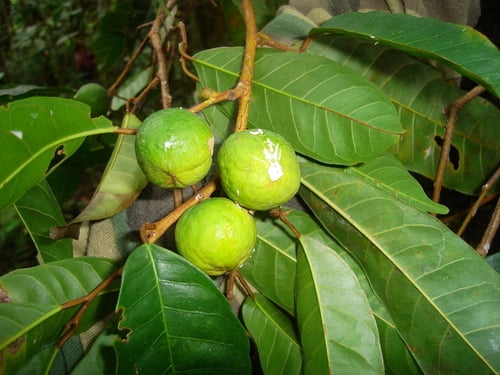
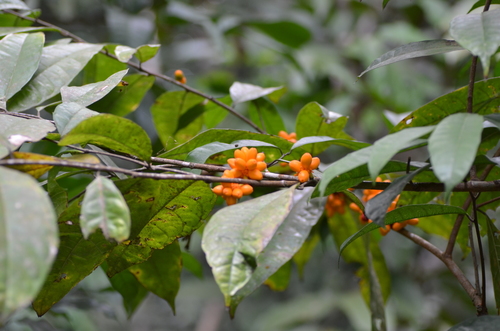
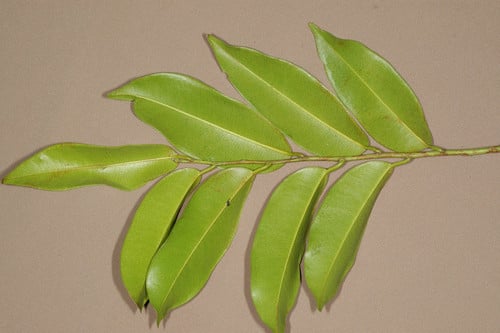
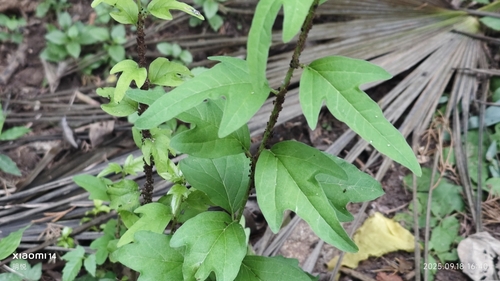
A fig. It is a small evergreen tree. The branches are yellowish-brown. The leaves are opposite and papery. They have rough bristly hairs on both sides. The leaves are 10-18 cm long by 4-8 cm wide. The fruit are orange or light red with white dots. They occur singly or in pairs in the axils of leaves. They are round and 0.8-1.5 cm across. They are rough.
Edible Uses
The fruit are edible.
Distribution
It is a tropical plant. It grows at low elevations.
Where It Grows
Asia, Indonesia, New Guinea, Philippines, SE Asia, Taiwan,
Synonyms
Ficus cumingii var. terminalifolia (Elmer) SataFicus terminalifolia Elmerand others
Also Known As
Appas
References (5)
- Barcelo, R., 2015, Phytochemical Screening and Antioxidant Activity of Edible Wild Fruits in Benguet, Cordillera Administrative Region, Philippines. Electronic Journal of Biology, 2015, Vol.11(3): 80-89
- Flora of Taiwan Vol. 2:145 (As Ficus cumingii var. terminalifolia)
- Kuo, W. H. J., (Ed.) Taiwan's Ethnobotanical Database (1900-2000), http://tk.agron.ntu.edu.tw/ethnobot/DB1.htm (As Ficus cumingii var. terminalifolia)
- Reis, S. V. and Lipp, F. L., 1982, New Plant Sources for Drugs and Foods from the New York Botanical Garden herbarium. Harvard. p 43
- World Checklist of Useful Plant Species 2020. Royal Botanic Gardens, Kew