Artocarpus dadah
Miq.
Tampang bulu, Dadah
iNaturalist· cc-by-nc-nd
(c) loupok, some rights reserved (CC BY-NC-ND)
iNaturalist· cc-by
(c) pbsg, some rights reserved (CC BY)
Summary
Source: WikipediaArtocarpus dadah is a tree species in the genus Artocarpus found in Myanmar to W. Malesia including Sumatra. It is of pacific origin and is a species of the Mulberry family, Moraceae.
Description
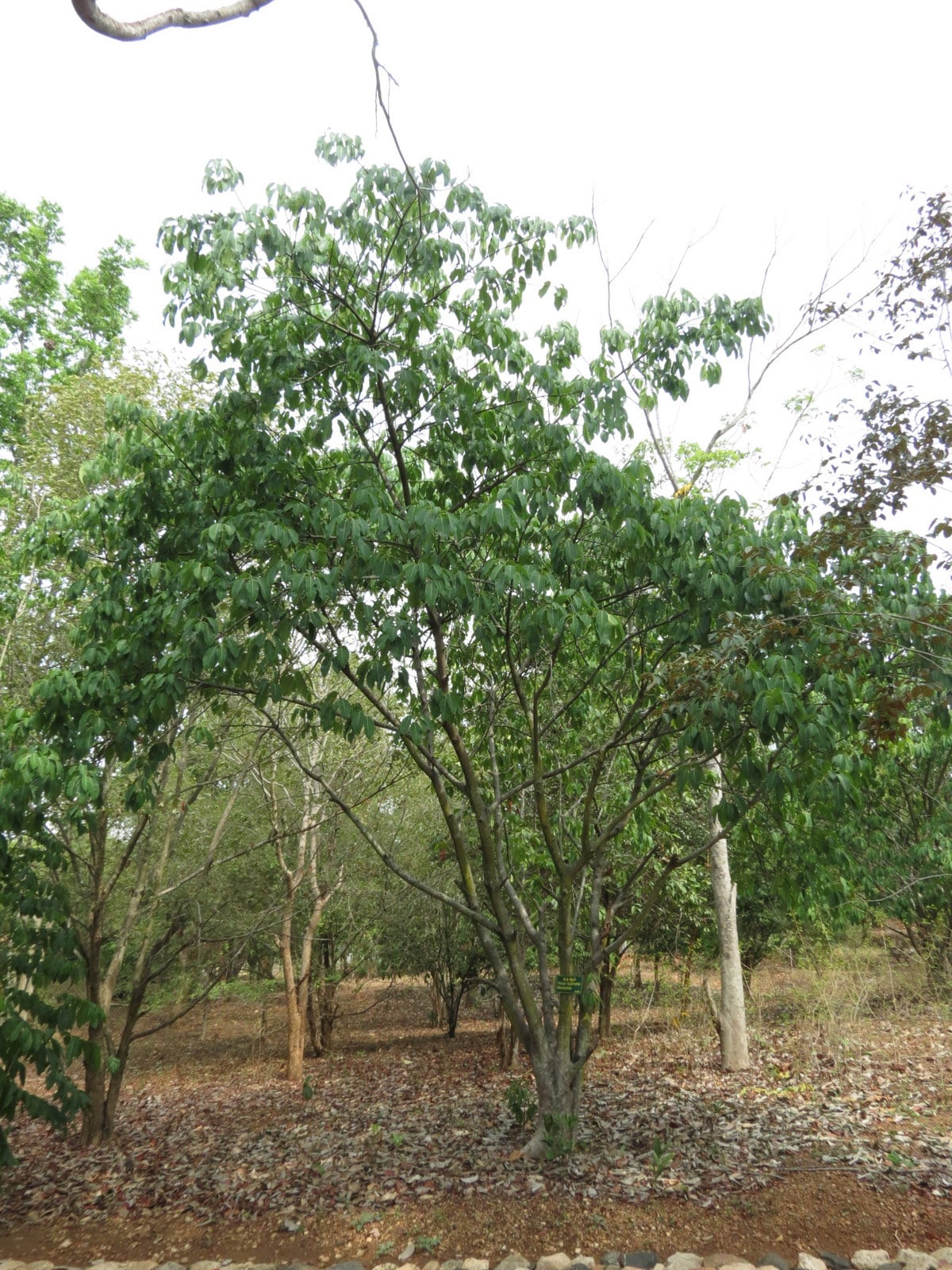
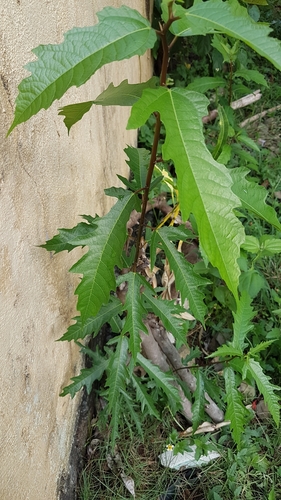
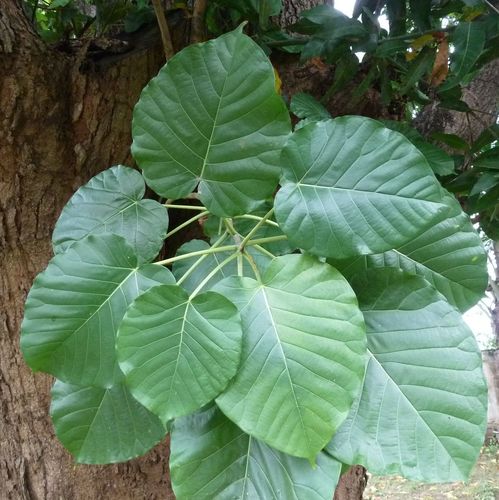
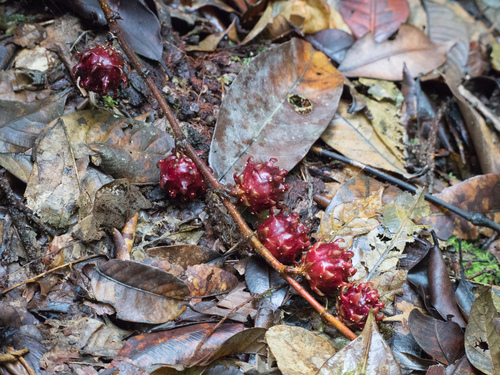
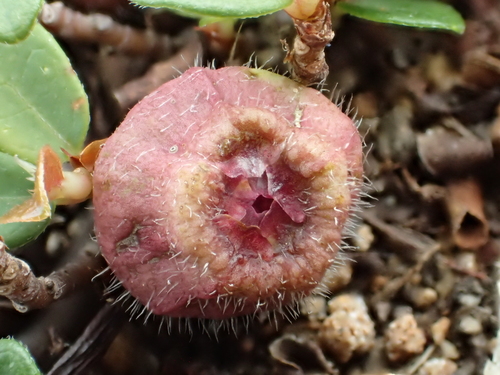
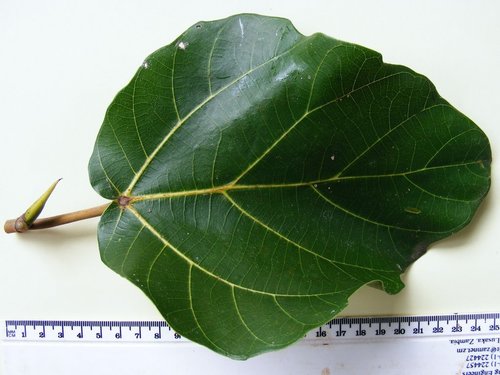
A tree. It grows to 35 m high. The trunk can be 1 m across. It does not have buttresses. The bark is grey to dark brown. It is densely cracked. It falls off in irregular scales. The twigs are 2.5-5 mm thick. They have reddish brown or yellow hairs. There are no ring like scars. The leaves are thickly leathery. They are oval and 9-30 cm long by 4-17 cm wide. Young leaves are deeply lobed. There are 10-20 pairs of secondary veins. They curve and disappear near the edge of the leaf. The leaf stalk is 0.5-2.5 cm long and grooved. The flowers are on leafy twigs. The male heads are yellow and round. They are 8-15 mm wide. The flower stalk is 8-20 mm long. The fruit is green and round. It is 2.5-8.5 cm across. The fruit pulp is edible but sour.
Edible Uses
Fruit - an acid flavour. The fruit is about the size of a chicken's egg. The fruit is up to 5cm in diameter.
Traditional Uses
The fruit is edible but sour.
This uses section is brief — help expand it
Medicinal Uses
The latex is reported to have disinfectant properties and is applied to wounds.
Distribution
A tropical plant. In Indonesia it grows up to 1,000 m altitude.
Where It Grows
Asia, Brunei, Indochina, Indonesia, Laos, Malaysia, Myanmar, Sarawak, SE Asia, Singapore, Thailand,
Cultivation
A plant of the tropics where it grows in rainforests with no distinctive dry season. In general, species in this genus prefer a deep, well-drained soil; young plants need some shade, but need increasing light levels as they mature. A variable species, originally described under six different specific names.
Propagation
Seed - best extracted from ripe fruits and sown immediately as they cannot withstand desiccation and lose viability within a few week. There is no period of dormancy, the seed usually germinating immediately.
Other Uses
The yellowish wood is durable and is not attacked by insects. It is used for bridges, floor supports etc, but is too hard to be used for making boards. The wood is a source of keledang timber. We have no further information for this species, but the general description of keledang is as follows:- The heartwood is yellow-brown to orange-red, darkinging to golden brown; it is clearly demarcated from the 5 - 7cm wide band of sapwood. The texture is coarse; the grain straight or interlocked; there is a lustrous, ribbon-like aspect. The wood is fairly heavy, fairly hard, durable, being moderately resistant to fungi and resistant to termites and dry wood borers. It seasons somewhat slowly with a high risk of distortion and a slight risk of checking; once dry it is moderately stable to stable in service. It has a fairly high blunting effect upon tools, stellite-tipped and tungsten carbide are recommended; the surface is fibrous and filling is recommended; it takes screws and nails poorly; glues correctly. The wood is used for furniture, house building, turnery, light carpentry, interior joinery and panelling, boxes and crates, boats etc. It is used for making high class coffins in Malaysia.
Notes
There are about 50 Artocarpus species. They are in the tropics and subtropics of Asia and the Pacific.
Also Known As
Betu, Biluli
References (6)
- Argent, G et al, nd, Manual of the Larger and More important non Dipterocarp Trees of Central Kalimantan Indonesia. Volume 2 Forest Research Institute, Samarinda, Indonesia. p 432
- Bircher, A. G. & Bircher, W. H., 2000, Encyclopedia of Fruit Trees and Edible Flowering Plants in Egypt and the Subtropics. AUC Press. p 43 (As dadak)
- Chai, P. P. K. (Ed), et al, 2000, A checklist of Flora, Fauna, Food and Medicinal Plants. Lanjak Entimau Wildlife Sanctuary, Sarawak. Forestry Malaysia & ITTO. p 168 (Also as Artocarpus peltatus)
- PROSEA (Plant Resources of South East Asia) handbook, Volume 2, 1991, Edible fruits and nut. p 80
- Saw, L.G., LaFrankie, J. V. Kochummen, K. M., Yap S. K., 1991, Fruit Trees in a Malaysian Rain Forest. Economic Botany, Vol. 45, No. 1, pp. 120-136
Show all 6 references Hide references
- Soepadmo, E. and Saw, L. G., 2000, Tree Flora of Sabah and Sarawak. Forestry Malaysia. Volume Three. p 191