Manilkara sulcata
(Engl.) Dubard
iNaturalist· cc-by-nc
(c) andreaudzungwa, some rights reserved (CC BY-NC)
Description
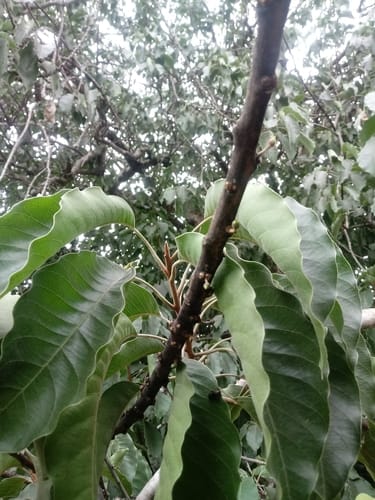
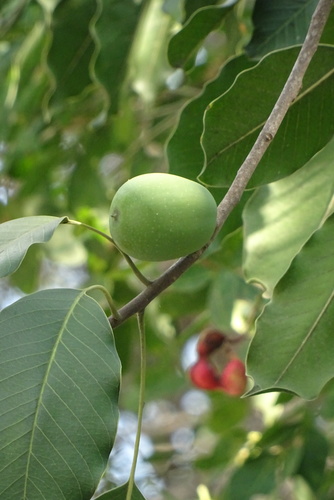
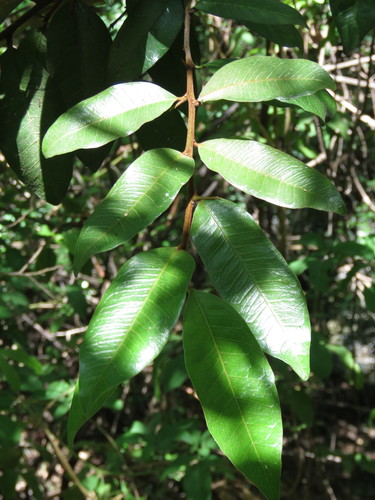
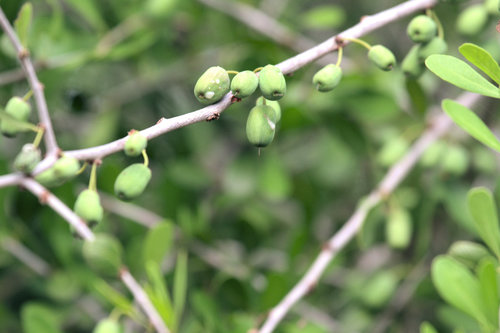
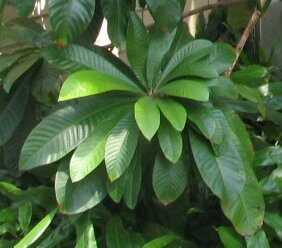
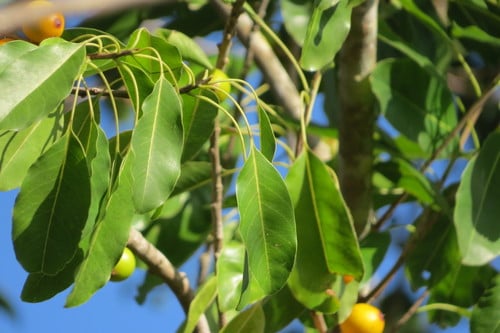
A shrub or small tree. It grows 3-6 m tall. It can be 20 m tall. The bark is grey and cracked. The leaves are small and clustered towards the tips of the branches. They are usually less than 4 cm long. They are light green and shiny. The flowers are cream. The fruit is oval and can be up to 1.3 cm long. It is light green but turns more yellow as it ripens.
Edible Uses
Fruit - raw. The sweet pulp is eaten as a snack, whilst the seeds are discarded. The long, oval, pale green-yellow fruit is up to 13mm long, containing a single seed.
Traditional Uses
The ripe fruit are sweet and are eaten.
This uses section is brief — help expand it
Medicinal Uses
The roots are used as a treatment for snakebite. The leaves are crushed and rubbed on the skin to treat rashes in children.
Known Hazards
None reported
Distribution
It is a tropical plant. It grows in the lowlands. In Kenya it grows in coastal regions. It grows in coastal bushland on sandy soils. It grows from sea level to 1,000 m altitude.
Where It Grows
Africa, East Africa, Kenya, Mozambique, Tanzania,
Cultivation
Plants are grown by seeds.
Other Uses
The wood is very hard and heavy. It is used for building poles, tool handles, domestic utensils and animal traps. The tree is used for fuel and making charcoal.
Production
In Tanzania fruit are collected from August to December.
Synonyms
Also Known As
Charika, Mbate-tsaka, Mchedi, Mcheji-dume, Mkurati, Msazi, Msezi, Mshezi, Mshezimbago, Mtsedzi, Mutsami, Mutsedzi, Mwarika
References (10)
- East African Herbarium records, 1981,
- Grivetti, L. E., 1980, Agricultural development: present and potential role of edible wild plants. Part 2: Sub-Saharan Africa, Report to the Department of State Agency for International Development. p 47
- http://www.fao.org/forestry/25323-096344a3de335832e8f363c3ac5184a66.pdf
- Lovett, J. C. et al, Field Guide to the Moist Forest Trees of Tanzania. p 163
- Maundu, P. et al, 1999, Traditional Food Plants of Kenya. National Museum of Kenya. 288p
Show all 10 references Hide references
- Mutie, F. M., et al, 2023, Important Medicinal and Food Taxa (Orders and Families) in Kenya, Based on Three Quantitative Approaches. Plants 2023, 12, 1145
- Pakia, M., 2000, Plant Ecology and Ethnobotany of two sacred forests (Kayas) at the Kenya Coast. M. Sc. Thesis.
- Peters, C. R., O'Brien, E. M., and Drummond, R.B., 1992, Edible Wild plants of Sub-saharan Africa. Kew. p 183
- Ruffo, C. K., Birnie, A. & Tengnas, B., 2002, Edible Wild Plants of Tanzania. RELMA p 464
- World Checklist of Useful Plant Species 2020. Royal Botanic Gardens, Kew