Synsepalum stipulatum
(Radlk.) Engl.
Miraculous fruit
iNaturalist· cc-by-nc
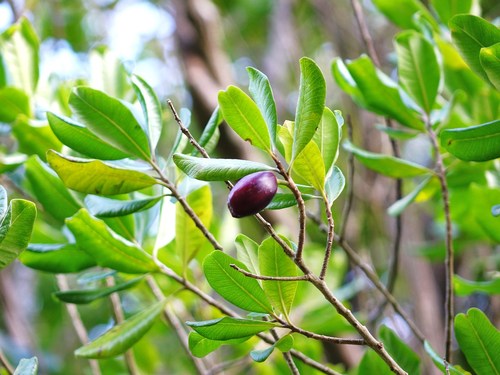
(c) clementine_db, some rights reserved (CC BY-NC), uploaded by clementine_db
Description
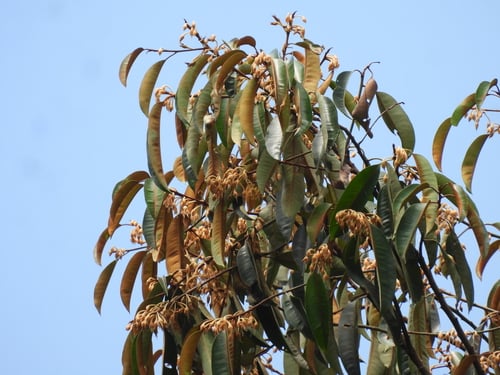
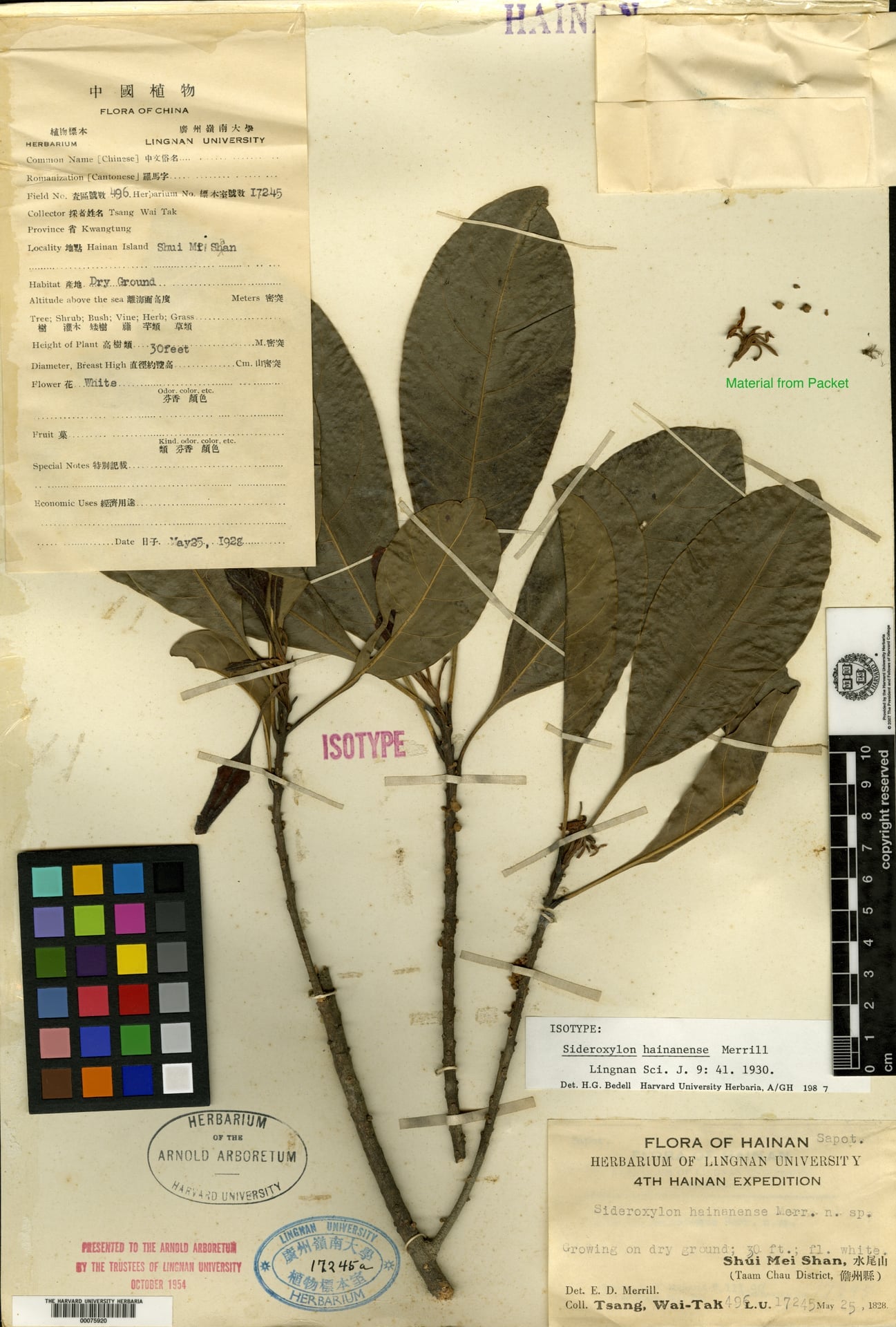
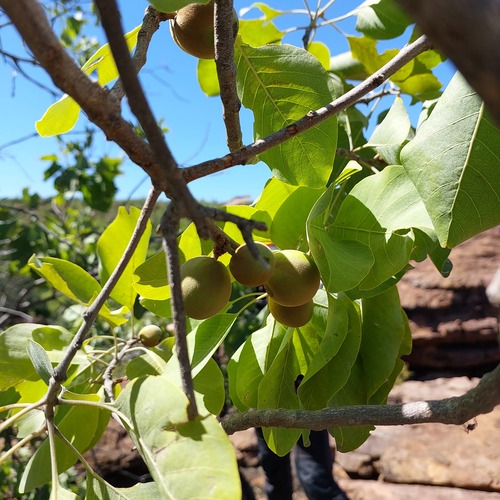
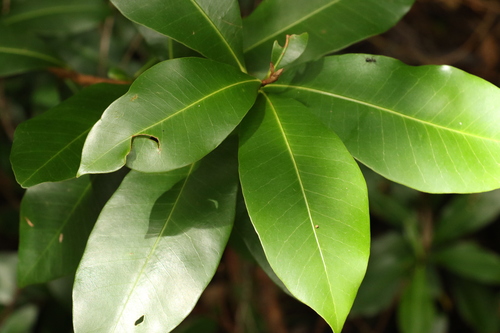
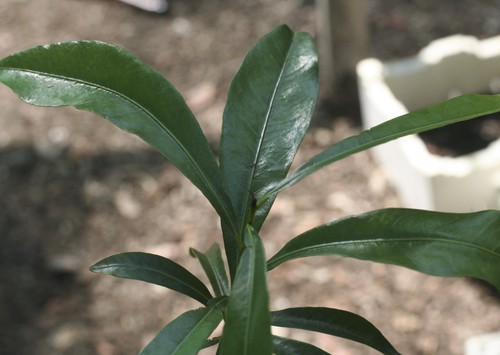
A tree. It grows 15 m high. It branches low down. The leaves can be 25 cm long by 6 cm wide but are often smaller. The flowers are in groups in the axils of leaves. The flowers are white. The fruit are oval and 2 cm long by 1.5 cm wide. They contain one seed.
Edible Uses
The fruit pulp is eaten raw and used to make jams and jellies. The seeds are also edible.
Traditional Uses
The pulp of the fruit is eaten raw. They are also used for jams and jellies.
This uses section is brief — help expand it
Distribution
A tropical plant. It grows in the lowland rain-forest in West Africa. It grows in the humid zone. It grows on rocky outcrops.
Where It Grows
Africa, Central Africa, Congo DR, Nigeria, West Africa,
Production
Fruiting is seasonal.
Synonyms
Also Known As
Onga, Shonga, Tonga, Tongase, Tunga, Yonga
References (11)
- Burkill, H. M., 1985, The useful plants of west tropical Africa, Vol. 5. Kew.
- Jardin, C., 1970, List of Foods Used In Africa, FAO Nutrition Information Document Series No 2.p 23
- Keay, R.W.J., 1989, Trees of Nigeria. Clarendon Press, Oxford. p 398
- Latham, P & Mbuta, A., 2017, Useful Plants of Central Province, Democratic Republic of Congo. Volume 2. Salvation Army p 196
- Liengola, I. B., 2001, A contribution to the study of native edible plants by the Turumbu and Lokele of the Tshopo District, Province Orientale, D. R. Congo. Syst. Geogr. Pl. 71:687-698
Show all 11 references Hide references
- Monogr. afrik. Pflanzen-Fam. 8:33. 1904
- Mosango, M., Szafranski, F., 1985, Plantes sauvages à fruits comestibles dans les environs de Kisangani (Zaïre). In: Journal d'agriculture traditionnelle et de botanique appliquée, 32e année, pp. 177-190
- Termote, C., et al, 2011, Eating from the wild: Turumbu, Mbole and Bali traditional knowledge of non-cultivated edible plants, District Tshopo, DRCongo, Gen Resourc Crop Evol. 58:585-618
- Termote, C., et al, 2012, Wild Edible Plant Markets in Kisangani, Democratic Republic of Congo. Human Ecology 40:269-285
- Vascular Plants of Korup National Park. korupplants.myspecies.info
- World Checklist of Useful Plant Species 2020. Royal Botanic Gardens, Kew