Vigna macrorhyncha
(Harms) Milne-Redh.
gbif· cc-by-nc-sa
MBG
gbif· cc-by-nc-sa
MBG
gbif· cc-by-nc-sa
MBG
Description
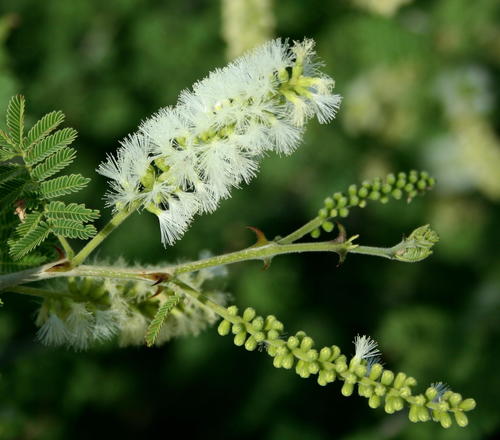
A herb. It can lie along the ground or be a climber. It grows 1.2 m high. The thick rootstock can be 18 cm long by 2-3 cm across. There are rounded tubers about 50 cm deep. The leaves have leaflets that are narrowly oval and 1-9 cm long by 0.3-6.5 cm wide. The flowering shoots are 2-20 cm long. The flower standard is pale purple inside and dull purple or green outside. The pods are 5-14 cm long by 3-4 mm wide. They are almost straight.
Edible Uses
The roots are peeled and eaten raw or lightly roasted. The tubers are also eaten.
Traditional Uses
The roots are peeled and eaten raw or lightly roasted.
This uses section is brief — help expand it
Medicinal Uses
The roots are used traditionally for food and are valued as a root vegetable resource.
Distribution
It is a tropical plant. It grows in dry areas. It can be in woodland or grassland. It grows below 2,100 m above sea level. It can grow in arid places.
Where It Grows
Africa, Burundi, Central Africa, Congo, East Africa, Ethiopia, Kenya, Malawi, Middle East, Mozambique, Nigeria, Rwanda, Saudi Arabia, Somalia, Sudan, Tanzania, Uganda, West Africa, Zambia, Zimbabwe,
Notes
One kg of tubers can have 780 calories.
Synonyms
References (4)
- East African Herbarium records, 1981, 5/04/2023
- Ichikawa, M., 1980, The Utilization of Wild Food Plants by the Suiei Dorobo in Northern Kenya. J. Anthrop. Soc. Nippon. 88(1): 25-48
- Peters, C. R., O'Brien, E. M., and Drummond, R.B., 1992, Edible Wild plants of Sub-saharan Africa. Kew. p 139
- Royal Botanic Gardens, Kew (1999). Survey of Economic Plants for Arid and Semi-Arid Lands (SEPASAL) database. Published on the Internet; http://www.rbgkew.org.uk/ceb/sepasal/internet [Accessed 1st May 2011]