Acacia maconochieana
Pedley
Bush bean, Mullan wattle
Wikipedia· cc-by-sa
Wikimedia Commons - Acacia_maconochieanaDistMap569.png
iNaturalist· cc-by-nc
(c) 羅忠良, some rights reserved (CC BY-NC), uploaded by 羅忠良
iNaturalist· cc-by-nc
(c) 傻子, some rights reserved (CC BY-NC), uploaded by 傻子
Summary
Source: WikipediaAcacia maconochieana, also known as Mullan wattle, is a shrub or tree of the genus Acacia and the subgenus Plurinerves that is endemic to an arid area of central Australia.
Description
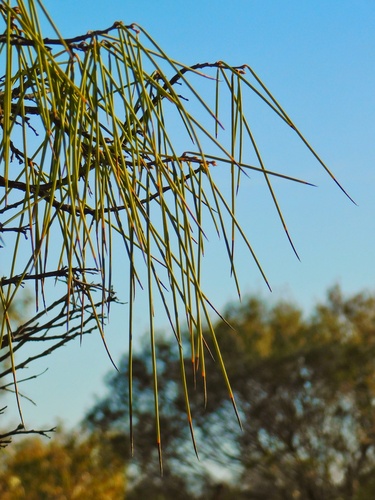
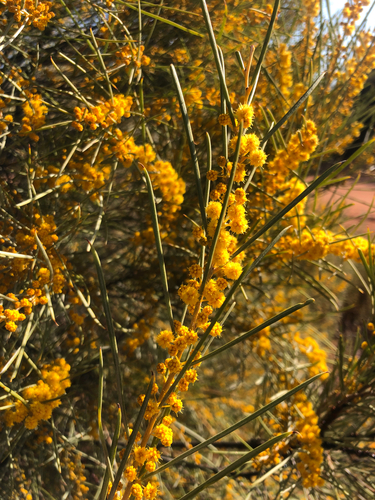
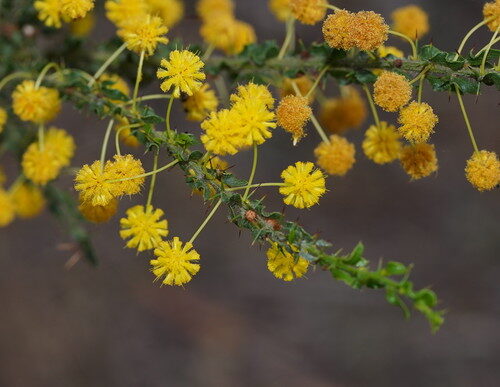
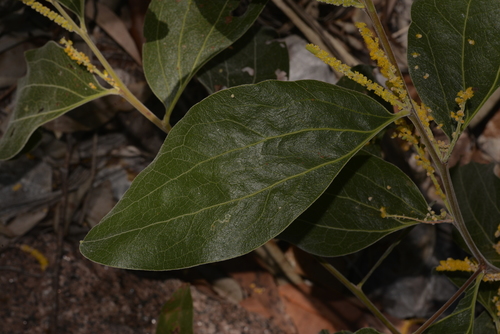
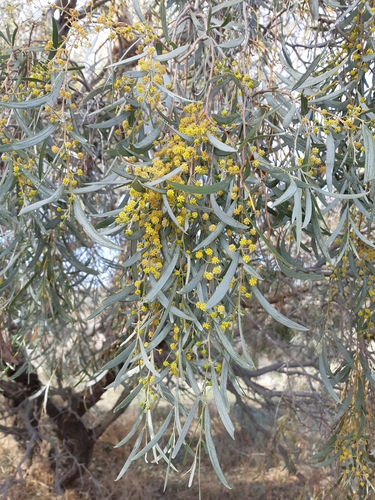
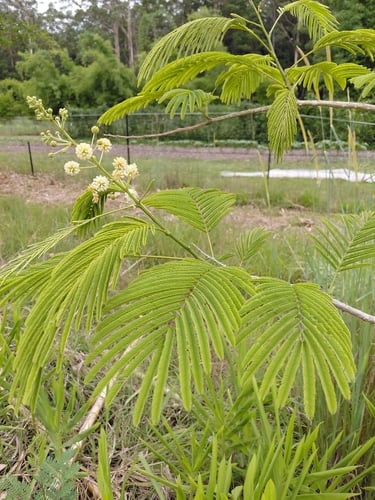
A shrub or small tree. It grows 5 m tall. There are prickles along the stem. The leaves are twice divided and there are 8-18 pairs of pinnae. There are up to 50 pairs of pinnules on each pinnae. The flowers are yellow. They are in large clusters at the ends of branches. The pods are flattened.
Edible Uses
Seed - cooked. The soft-coated flat seeds are easily ground and the species may have some limited potential as a source of human food. The pods are up to 13cm long, 4 - 5mm wide, with black, oblong to broadly elliptic seeds 4 - 6mm long. Acacia seeds are highly nutritious and contain around 26% protein, 26% available carbohydrate, 32% fibre and 9% fat. The fat content is higher than most legumes with the aril providing the bulk of fatty acids present. These fatty acids are largely unsaturated. The energy content is high in all species tested, averaging 1480 ±270 kJ per 100g. The seeds are low glycaemic index foods - the starch is digested and absorbed very slowly, producing a small, but sustained rise in blood glucose and so delaying the onset of exhaustion in prolonged exercise. The ground seed can be used to produce a high quality, caffeine-free coffee-like beverage.
Traditional Uses
The seeds are eaten. They are also ground up into flour then cooked and eaten as flat bread.
This uses section is brief — help expand it
Medicinal Uses
The bark of all Acacia species contains greater or lesser quantities of tannins and are astringent. Astringents are often used medicinally - taken internally, for example. they are used in the treatment of diarrhoea and dysentery, and can also be helpful in cases of internal bleeding. Applied externally, often as a wash, they are used to treat wounds and other skin problems, haemorrhoids, perspiring feet, some eye problems, as a mouth wash etc. Many Acacia trees also yield greater or lesser quantities of a gum from the trunk and stems. This is sometimes taken internally in the treatment of diarrhoea and haemorrhoids.
Known Hazards
The seed of many Acacia species, including this one, is edible and highly nutritious, and can be eaten safely as a fairly major part of the diet. Not all species are edible, however, and some can contain moderate levels of toxins. Especially when harvesting from the wild, especial care should be taken to ensure correct identification of any plants harvested for food. Especially in times of drought, many Acacia species can concentrate high levels of the toxin Hydrogen cyanide in their foliage, making them dangerous for herbivores to eat.
Distribution
It is a tropical plant. It grows on heavy alkaline soils in the hot semiarid and sub-humid tropics. It can tolerate salinity and waterlogging. It grows in low lying areas in north Australia. It can tolerate frost.
Where It Grows
Australia*,
Cultivation
Plants are grown from seed. They will grow without hot water treatment. They can be soaked in cold water.
Propagation
The seed of most, if not all, members of this genus has a hard seedcoat and may benefit from scarification before sowing to speed up germination. This species, however, has a soft seedcoat and could be damaged by scarification. Nicking of the seedcoat may enhance the germination percentage, alternatively soak them for 24 hours in cold water prior to sowing. Acacia seeds that have matured fully on the bush and have been properly dried have a hard seed coat and can be stored in closed containers without deterioration for 5 - 10 years or more in dry conditions at ambient temperatures. It is best to remove the aril, which attracts weevils and can lead to moulds forming. The arils are easilyremoved by placing the seeds in water and rubbing them between the hands, then drying the seeds and winnowing them.
Other Uses
The heartwood is dark brown; it is sharply demarcated from the narrow to broad band of pale yellowish sapwood. The heavy wood would be well suited for conversion into smaller decorative items. The trunk is typically straight and reaches suitable dimensions for use in the round as posts and small poles. The heavy wood (800 - 850 kg/m3) makes an excellent firewood, having a good upper calorific value but leaving a large quantity of ash. The wood is not especially suitable for charcoal production..
Production
It is fast growing and long lived.
Notes
There are about 1,350 Acacia species. Over 1,000 occur in Australia. Also as Mimosaceae.
References (4)
- Doran, J.C., & Turnbull, J.W. (Eds), 1997, Australian Trees and Shrubs: species for land rehabilitation and farm plantings in the tropics. ACIAR Monograph No 24. p 174
- Lazarides, M. & Hince, B., 1993, Handbook of Economic Plants of Australia, CSIRO. p 4
- Paczkowska, G . & Chapman, A.R., 2000, The Western Australian Flora. A Descriptive Catalogue. Western Australian Herbarium. p 315
- Wightman, Glenn et al. 1994, Gurindji Ethnobotany: Aboriginal Plant Use from Daguragu Northern Australia. Northern Territory Botanical Bulletin No 18. Parks and Wildlife Commission of the Northern Territory. p. 9.