Acacia macrothyrsa
Harms
gbif· cc-by-nc
GBIF
gbif· cc-by
The New York Botanical Garden
gbif· cc-by
The New York Botanical Garden
Description
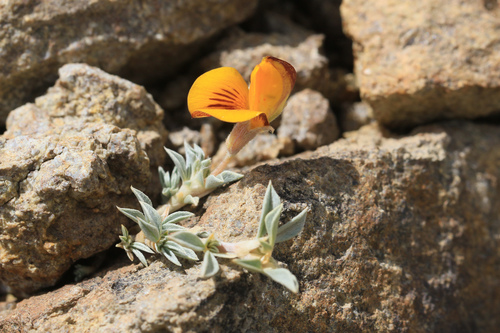
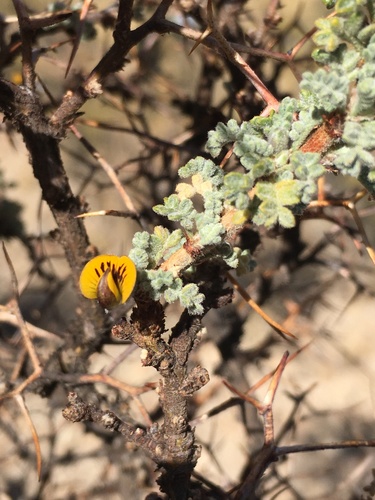
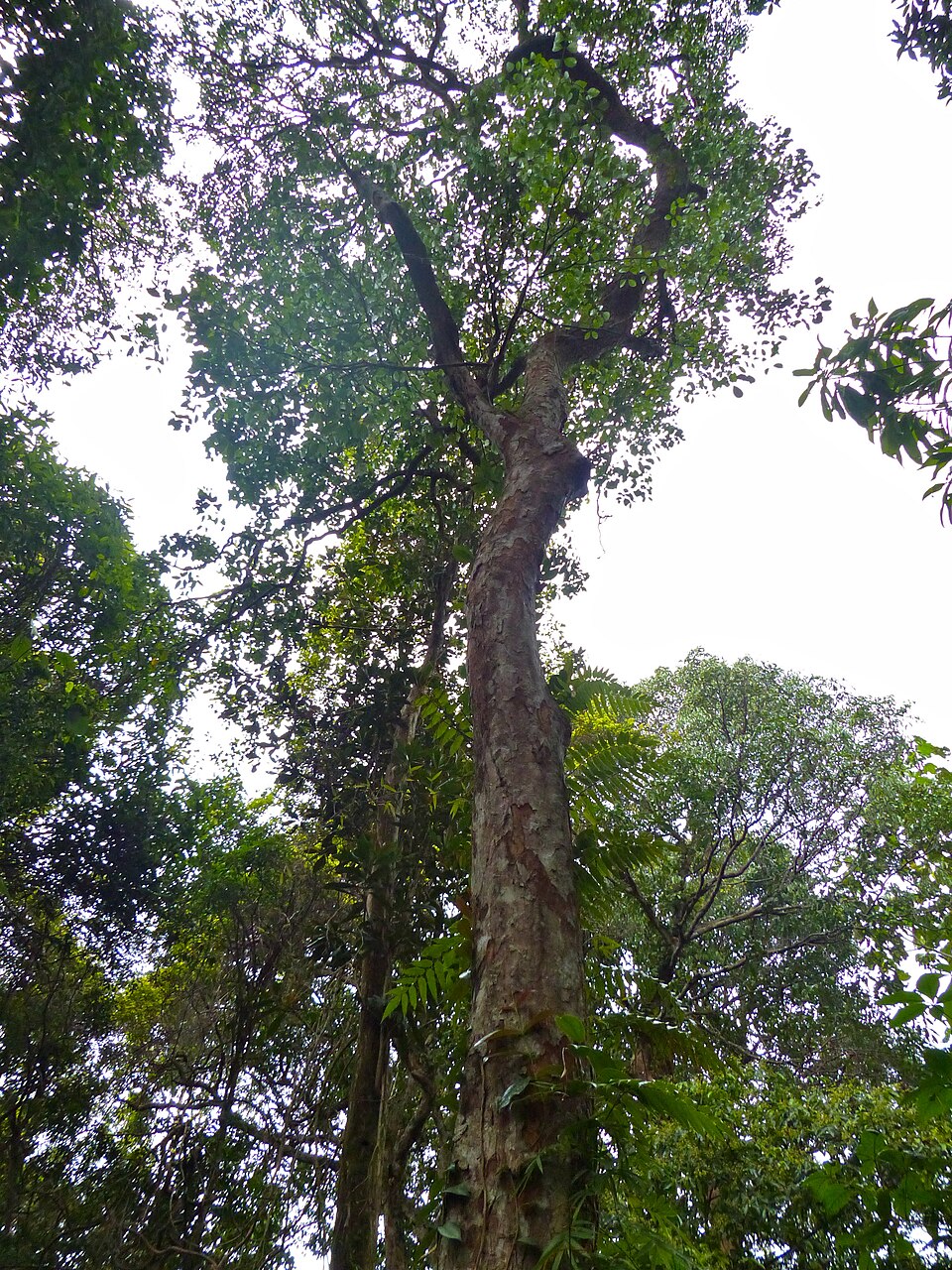
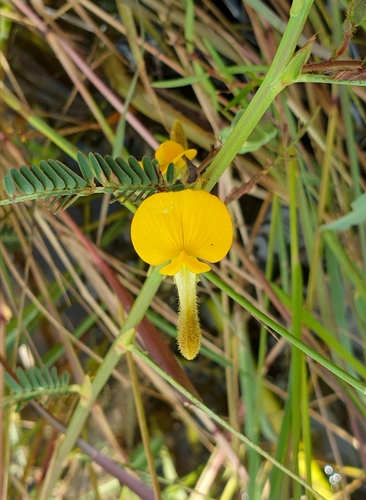
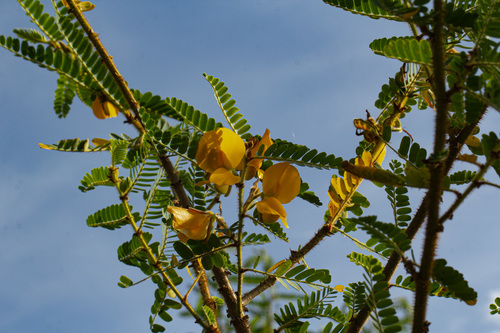
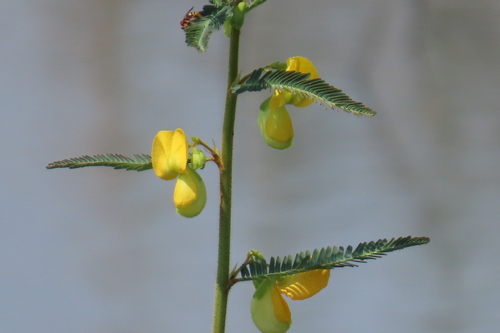
A shrub or small tree. It grows 5 m tall. There are prickles along the stem. The leaves are twice divided and there are 8-18 pairs of pinnae. There are up to 50 pairs of pinnules on each pinnae. The flowers are yellow. They are in large clusters at the ends of branches. The pods are flattened.
Edible Uses
The leaves are cooked and eaten.
Traditional Uses
The leaves are cooked and eaten.
This uses section is brief — help expand it
Distribution
It is a tropical plant. It grows in woodland at 1,200-1,500 m altitude. It grows in the Sahel. It can grow in arid places.
Where It Grows
Africa, Central Africa, Congo, East Africa, Ghana, Kenya, Malawi, Mozambique, Nigeria, Sahel, Tanzania, Uganda, West Africa, Zambia, Zimbabwe,
Notes
There are about 1,350 Acacia species. Over 1,000 occur in Australia. Also as Mimosaceae.
Synonyms
Also Known As
Cangando, Chinyajwe, Chipeta, Chirima, Nafungwe, Nivunha
References (7)
- Bot. Jahrb. Syst. 28:396. 1900
- Fox, F. W. & Young, M. E. N., 1982, Food from the Veld. Delta Books. p 201
- Jardin, C., 1970, List of Foods Used In Africa, FAO Nutrition Information Document Series No 2.p 50
- Le Houerou, H. N., (Ed.), 1980, Browse in Africa. The current state of knowledge. International Livestock Centre for Africa, Ethiopia. p 162
- Martin, F.W. & Ruberte, R.M., 1979, Edible Leaves of the Tropics. Antillian College Press, Mayaguez, Puerto Rico. p 197
Show all 7 references Hide references
- Maydell, H. von, 1990, Trees and shrubs of the Sahel: their characteristics and uses. Margraf. p 119
- Williamson, J., 2005, Useful Plants of Malawi. 3rd. Edition. Mdadzi Book Trust. p 10