Acacia elatior
Brenan
gbif· cc-by
Royal Botanic Gardens, Kew
gbif· cc-by
Meise Botanic Garden
gbif· cc-by
Royal Botanic Gardens, Kew
Description
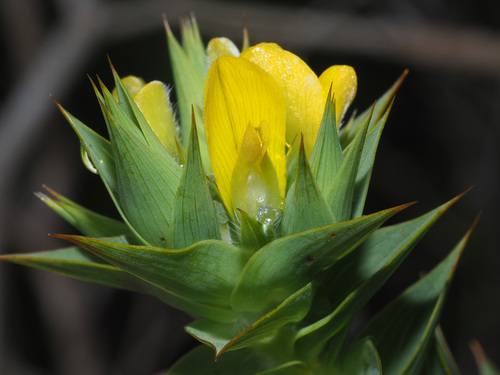
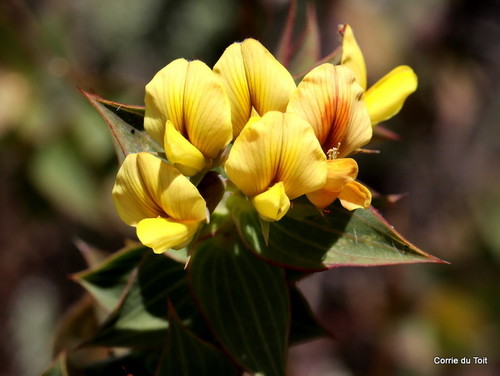
A shrub or small tree. It grows 5 m tall. There are prickles along the stem. The leaves are twice divided and there are 8-18 pairs of pinnae. There are up to 50 pairs of pinnules on each pinnae. The flowers are yellow. They are in large clusters at the ends of branches. The pods are flattened.
Edible Uses
The pods (but not the seeds) are eaten. The bark can be made into tea, and the fruit is also edible.
Traditional Uses
The pods but not the seeds are eaten.
This uses section is brief — help expand it
Medicinal Uses
Traditionally, the pods have been used for food and medicinal purposes.
Distribution
It is a tropical plant. It grows in dry sandy soils. It grows between 180-1,070 m above sea level. It can grow in arid places.
Where It Grows
Africa, East Africa, Kenya, Middle East, Saudi Arabia, Sudan, Uganda,
Notes
There are about 1,350 Acacia species. Over 1,000 occur in Australia. Also as Mimosaceae.
Also Known As
Bura, Burkuke, Munga, Ollerai, Saetch
References (5)
- East African Herbarium records, 1981,
- ILDIS Legumes of the World http:www;ildis.org/Legume/Web
- Morgan, W. T. W., 1981, Ethnobotany of the Turkana: Use of plants by a Pastoral People and Their Livestock in Kenya. Economic Botany 35(1):96-130
- Peters, C. R., O'Brien, E. M., and Drummond, R.B., 1992, Edible Wild plants of Sub-saharan Africa. Kew. p 125
- Royal Botanic Gardens, Kew (1999). Survey of Economic Plants for Arid and Semi-Arid Lands (SEPASAL) database. Published on the Internet; http://www.rbgkew.org.uk/ceb/sepasal/internet [Accessed 26th April 2011]