Canarium harveyi
Seemann
Ngali
wikimedia· cc-by-sa
Wikimedia Commons - Tauʻolunga
iNaturalist· cc-by
(c) Dominik Maximilián Ramík, some rights reserved (CC BY), uploaded by Dominik Maximilián Ramík
wikimedia· cc-by-sa
Wikimedia Commons - Steve Fitzgerald
Description
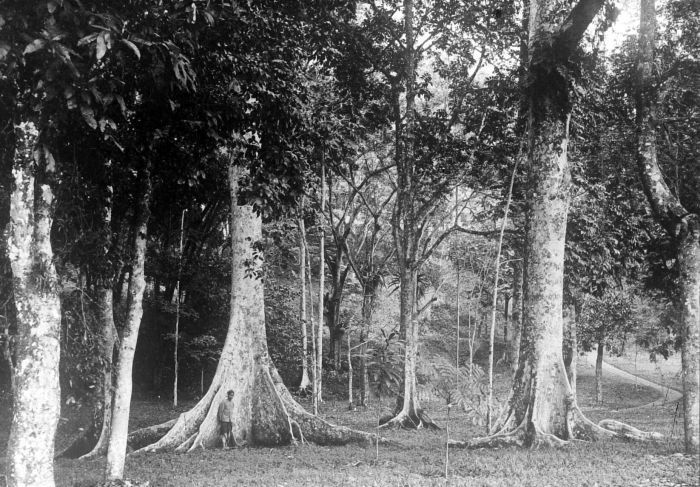
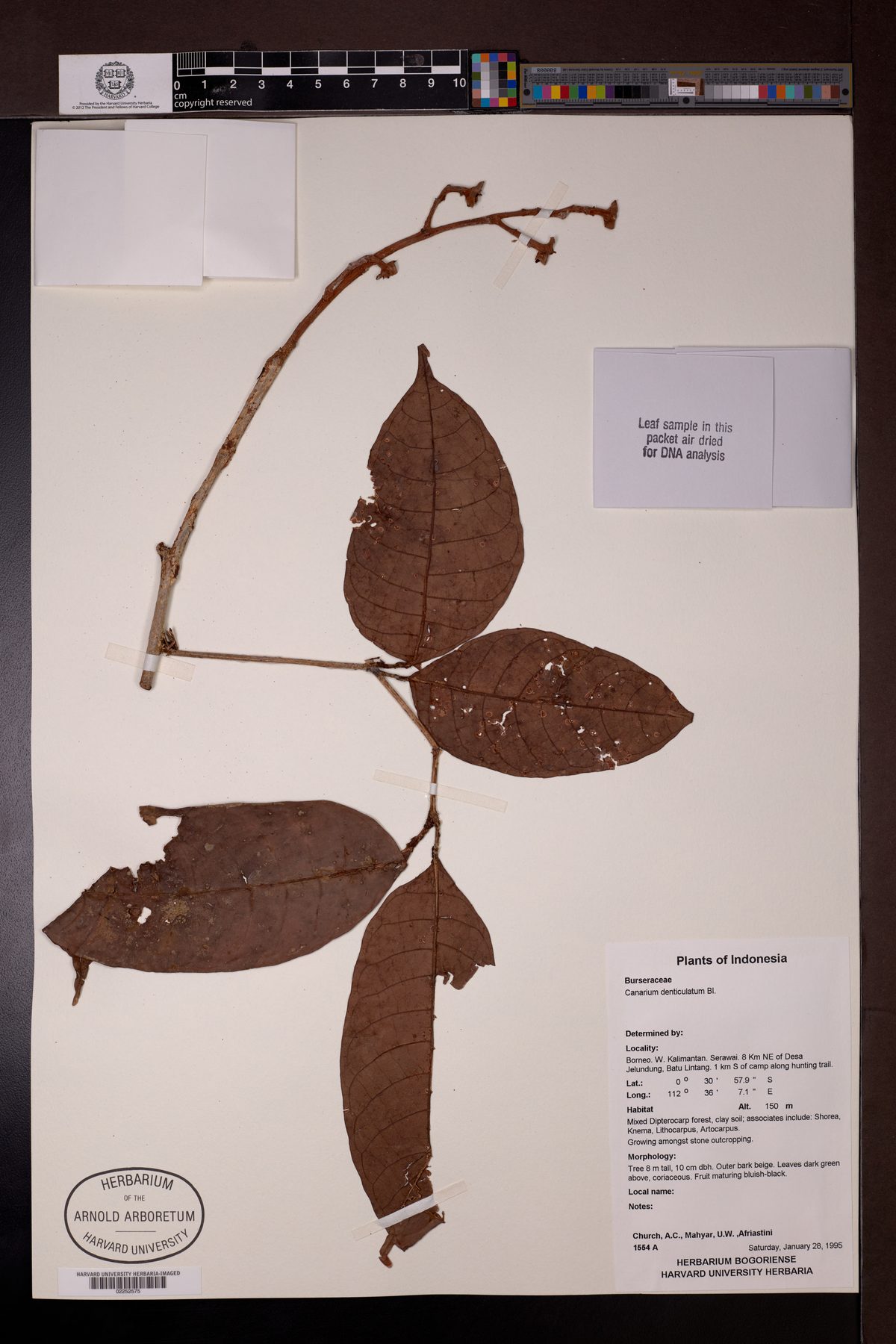
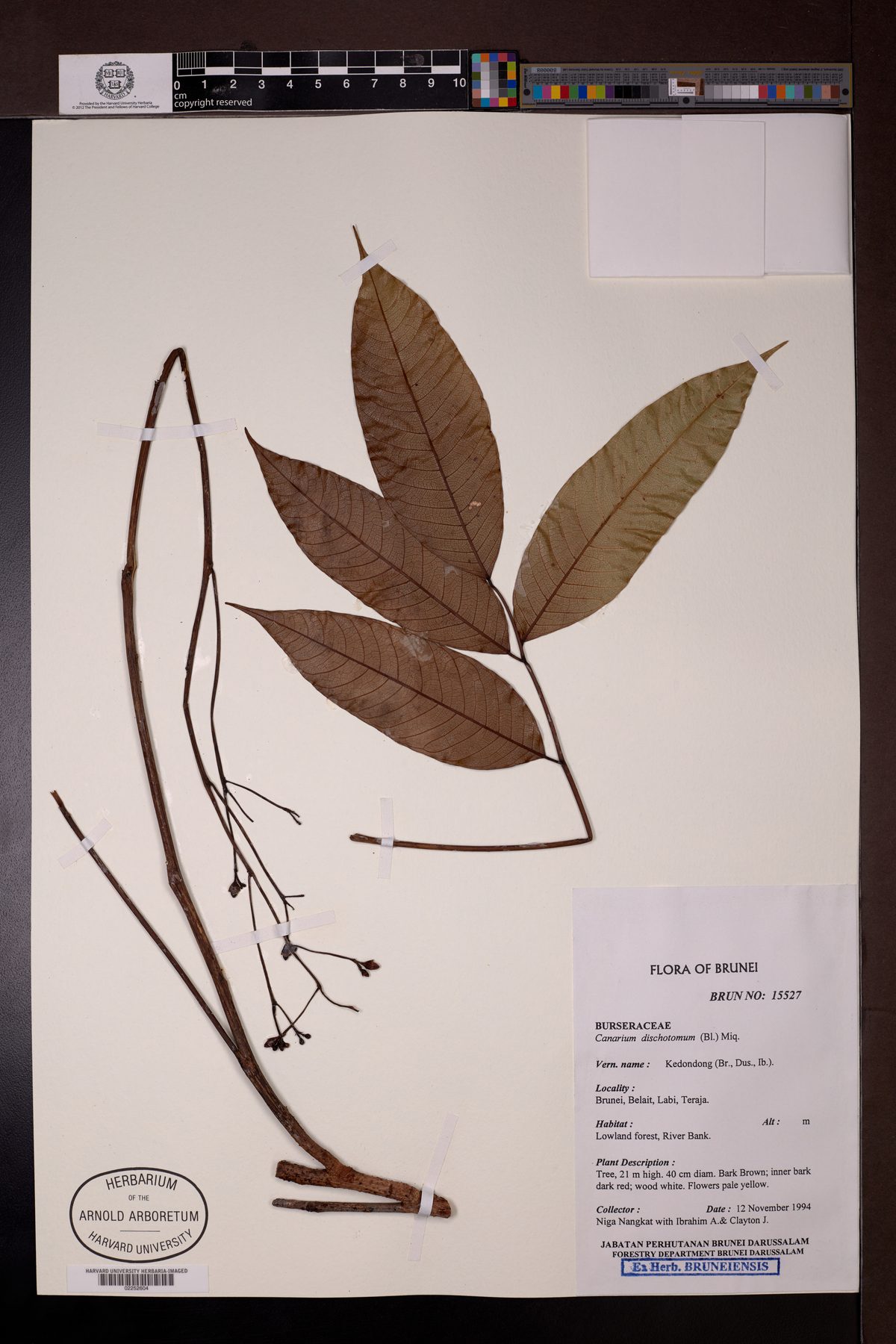
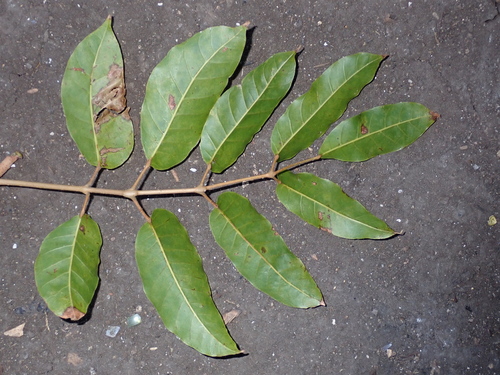
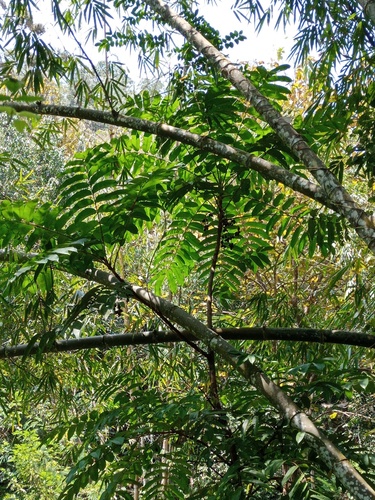
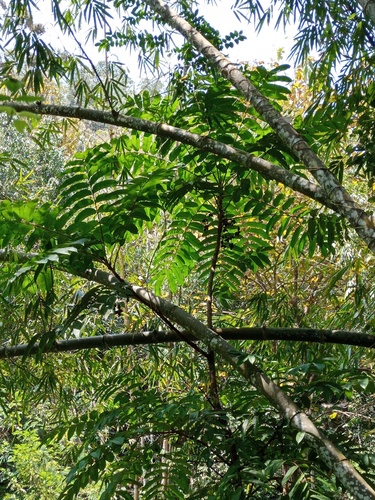
A small or medium sized tree which can be 3-21 m high. The small branches are angular. They are 5-8 mm thick. The youngest parts are brown and hairy. The leaves have 2-4 pairs of leaflets and a leaflet at the end. The leaves are 40 cm long and the leaflets 4-20 cm long by 2-8 cm wide. The leafy structure (stipule) at the base of the leaf stalk is ear shaped and falls off. Male and female flower clusters occur separately on the same tree. The male flower cluster is 10-20 cm long and with many flowers. The female flower cluster is 4-9 cm long and with 6-7 flowers. The fruiting stalk is 2-12 cm long and it has 1-4 fruit. The fruit are green at first but become purple to black at maturity. The fruit have 3 cells but they may not all have seeds. Fruit are large in the Solomon Islands and small in Fiji.
Edible Uses
Edible seed. The seed is eaten fresh or roasted, and is also smoked and dried for later use. Especially when dried, the nuts can have a rather unpleasant turpentine-like flavour. The seeds vary in size, in Vanuatu the average is 42 mm long by 29 mm wide, whilst in the Solomon Islands the seeds average 61 mm long by 33 mm wide.
Traditional Uses
The seeds are eaten. They are also smoked and preserved to eat later.
This uses section is brief — help expand it
Medicinal Uses
The seeds are smoked and preserved to eat later.
Distribution
A tropical plant. It grows in dense forest from sea level to 600 m altitude. It is usually in areas with an annual rainfall of 1800-4000 mm per year. The annual average temperatures are 23-28°C.
Where It Grows
American Samoa, Fiji, New Caledonia, Niue, Pacific*, Samoa, Solomon Islands, Tonga, Vanuatu, Wallis & Futuna,
Cultivation
Plants are grown from seed. The seed need to be sown fresh.
Propagation
Seed -pre-soak in fresh water for 24 hours prior to sowing. Discard any nuts that float or that do not sink completely to the bottom. Seed should be sown 1 cm deep on their sides directly into large pots or polybags, or 3 - 4 can be sown together direct into the position where the tree is to grow. Nursery grown plants are usually ready to plant out when they are about 3 - 5 months old, by which time they should be up to 30cm tall. The seed has a short viability and should be sown as soon as possible after collection. If seeds need to stored for a few weeks, then the outer flesh should be removed and the nut-in-shell stored in a shaded, cool (e.g., 15 - 25°C) dry place, secure from rodents and other pests.
Other Uses
In former times and infrequently the oily kernels were used as primitive candles. The oleoresin obtained from wounds to the trunk is occasionally used as lighting oil and incense. The nut shells are highly flammable and are occasionally used as a cooking fuel. The wood is traditionally used to make canoes, bowls etc. It may have potential as veneer, as its figure and colour can be very decorative.
Production
Seedlings grown quickly. They can be transplanted into the field after 3-5 months. Flowers have been recorded from February to June and fruits between April to December.
Other Information
An important nut in the Solomon Islands. It is cultivated.
Notes
There are 80-95 Canarium species.
Synonyms
Also Known As
'Ai, Ai, Kaunicina, Kaunigai, Mafoa, Makali, Nangai, Nangae, Angai, Gamagamba, Nyinga, Nolepo
References (13)
- Altschul, S.V.R., 1973, Drugs and Foods from Little-known Plants. Notes in Harvard University Herbaria. Harvard Univ. Press. Massachusetts. no. 1987
- Evans, B. R, 1999, Edible nut Trees in Solomon Islands. A variety collection of Canarium, Terminalia and Barringtonia. ACIAR Technical Report No. 44 96pp
- Franklin, J., Keppel, G., & Whistler, W., 2008, The vegetation and flora of Lakeba, Nayau and Aiwa Islands, Central Lau Group, Fiji. Micronesica 40(1/2): 169–225, 2008
- French, B.R., 2010, Food Plants of Solomon Islands. A Compendium. Food Plants International Inc. p 162
- Lebot, V. & Sam, C., Green desert or ‘all you can eat’? How diverse and edible was the flora of Vanuatu before human introductions?. Terra australis 52 p 410
Show all 13 references Hide references
- Leenhouts, P.W., 1955, Canarium in the Pacific. Bernice P. Bishop Museum - Bulletin 216. p 35
- Smith, A.C., 1985, Flora Vitiensis Nova: A New flora of Fiji, Hawai Botanical Gardens, USA Vol 3 p 470
- Walter, A & Sam, C., 1995, Indigenous Nut Trees in Vanuatu: Ethnobotany and Variability. In South Pacific Indigenous Nuts. ACIAR Proceedings No 69. Canberra. p 57
- Walter, A. & Sam C., 2002, Fruits of Oceania. ACIAR Monograph No. 85. Canberra. p 129
- Wickens, G.E., 1995, Edible Nuts. FAO Non-wood forest products. FAO, Rome. p 111
- World Checklist of Useful Plant Species 2020. Royal Botanic Gardens, Kew
- www.pngplants.org
- Yuncker, T. G., 1943, The Flora of Niue Island. Bernice P. Bishop Museum Bulletin 178 p 71