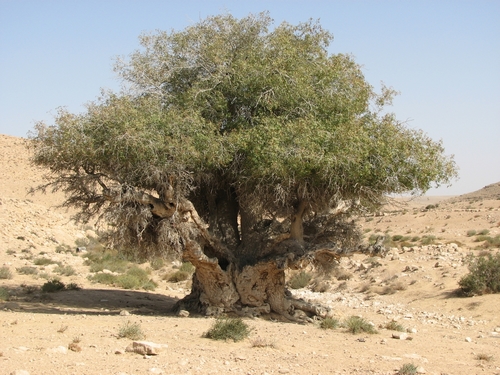
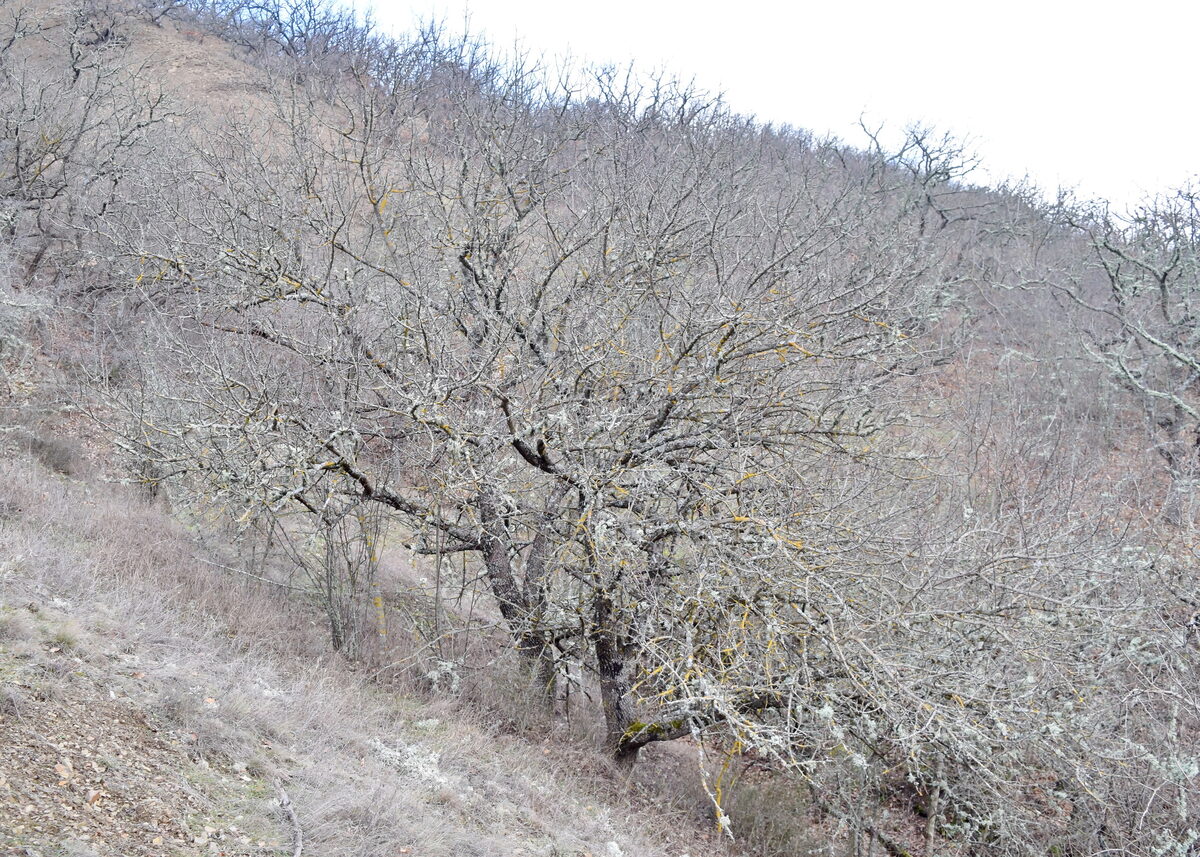
Searsia gerrardii
(Harv. ex Engl.) Moffett
River currant
iNaturalist· cc-by-nc
(c) Troos van der Merwe, some rights reserved (CC BY-NC), uploaded by Troos van der Merwe
iNaturalist· cc-by-nc
(c) magdastlucia, some rights reserved (CC BY-NC), uploaded by magdastlucia
iNaturalist· cc-by-nc
(c) Troos van der Merwe, some rights reserved (CC BY-NC), uploaded by Troos van der Merwe
Summary
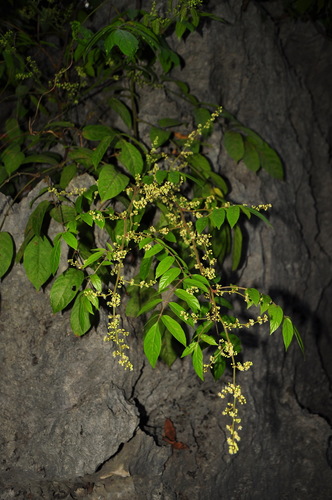
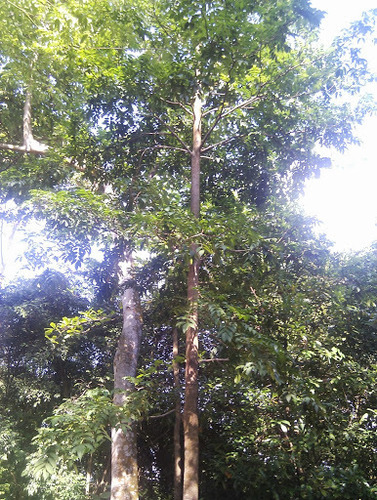
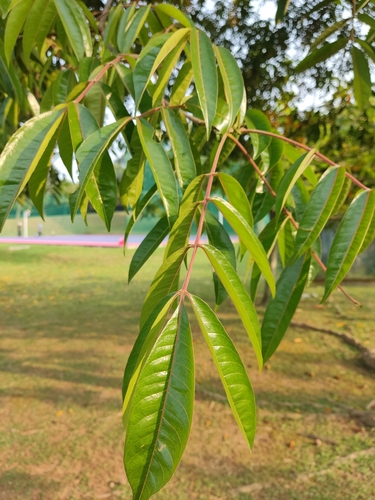
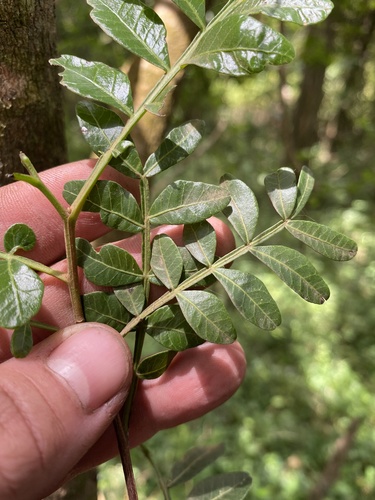
Source: WikipediaSearsia gerrardii, the Drakensberg karee, is a deciduous, drought resistant tree, native to South Africa. It reaches a height of up to 5 metres. It is frost hardy and occurs naturally in mountain areas, often along riverbanks. The tree has a graceful drooping habit. It produces small yellowish flowers which, on female trees, turn into small fruits which are relished by birds. This tree makes a lovely shade tree for a small garden.
Description
A shrub or small tree. It grows 5 m tall. The flowers are small and yellow. Plants are separately male and female.
This description is brief — help expand it
Edible Uses
The fruit are eaten raw.
Traditional Uses
The fruit are eaten raw.
This uses section is brief — help expand it
Distribution
It is a subtropical plant. It grows in mountain areas and is frost hardy.
Where It Grows
Africa, Eswatini, South Africa, Southern Africa, Swaziland,
Synonyms
Also Known As
Drakensberg karee
References (6)
- Moffett, R. O., 2007, Name changes in the Old World Rhus and recognition of Searsia (Anacardiaceae). Bothalia 37,2: 165-175 (2007)
- Ogle & Grivetti, 1985, (As Rhus gerrardii)
- Peters, C. R., O'Brien, E. M., and Drummond, R.B., 1992, Edible Wild plants of Sub-saharan Africa. Kew. p 51 (As Rhus gerrardii)
- Ruiters-Welcome, A. K., 2019, Food plants of southern Africa. Ph.D. thesis. Univ. of Johannesburg p 15
- Swaziland's Flora Database http://www.sntc.org.sz/flora (As (Harv. ex Engl.) Diels)
Show all 6 references Hide references
- Welcome, A. K. & Van Wyk, B.-E., 2019, An inventory and analysis of the food plants of southern Africa. South African Journal of Botany 122 (2019) 136–179