Pegia nitida
Colebr.
Tam
iNaturalist· cc-by-nc-sa
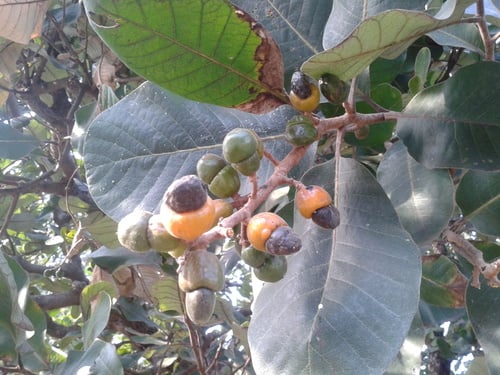
(c) mazus_jan, some rights reserved (CC BY-NC-SA), uploaded by mazus_jan
iNaturalist· cc-by-sa
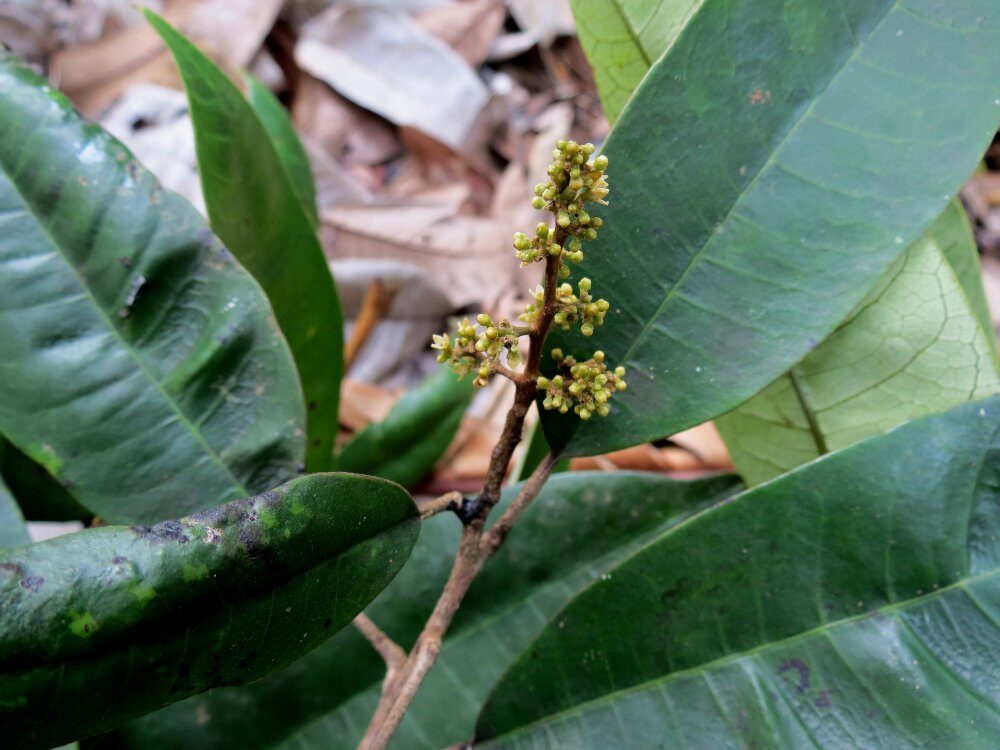
(c) Dinesh Valke, some rights reserved (CC BY-SA)
Description
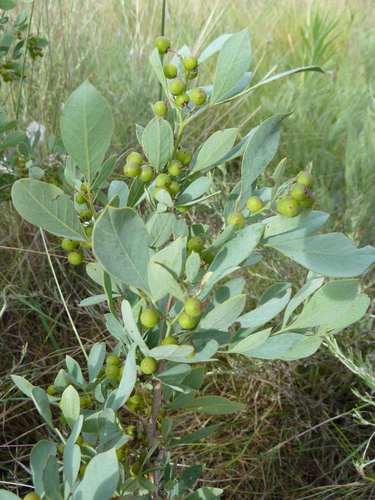
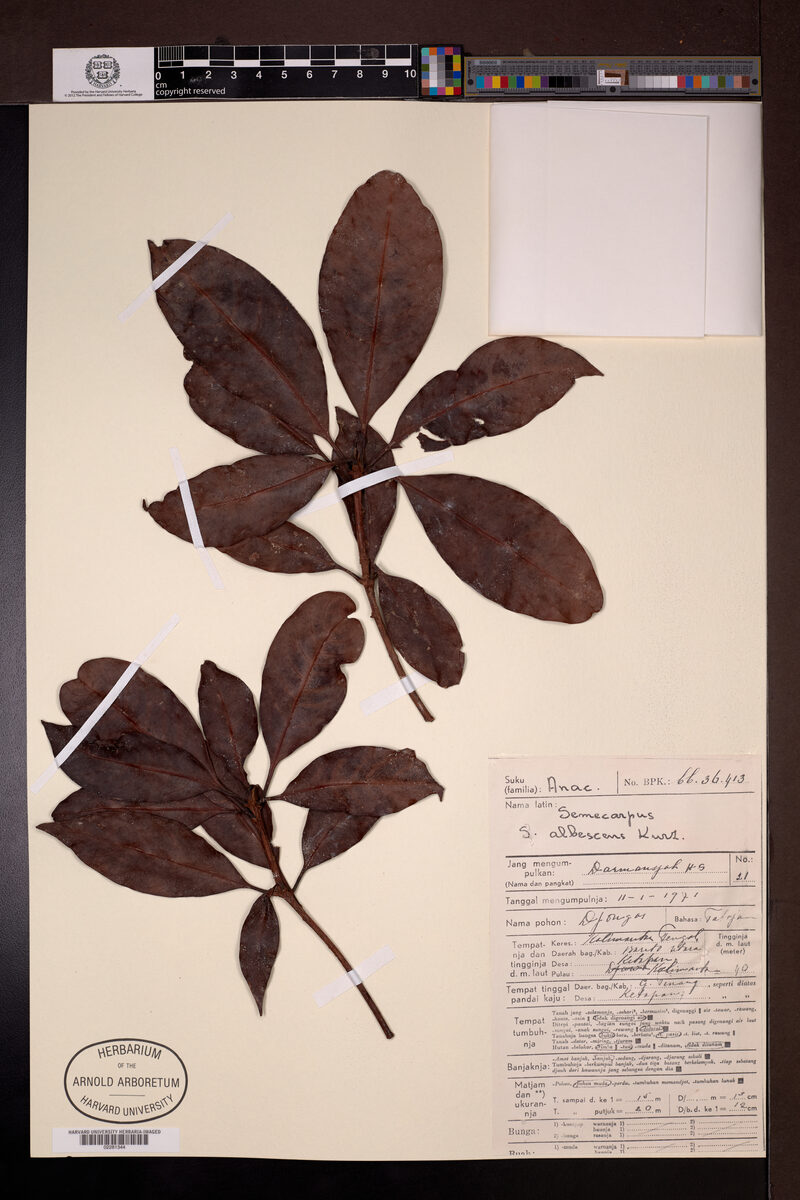
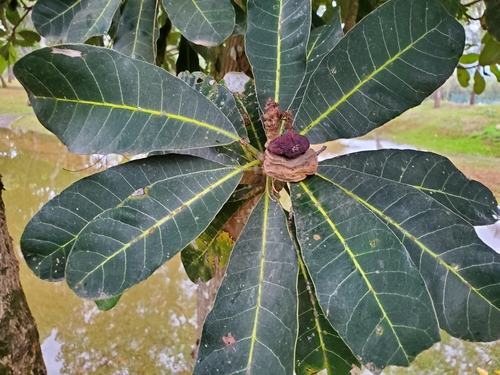
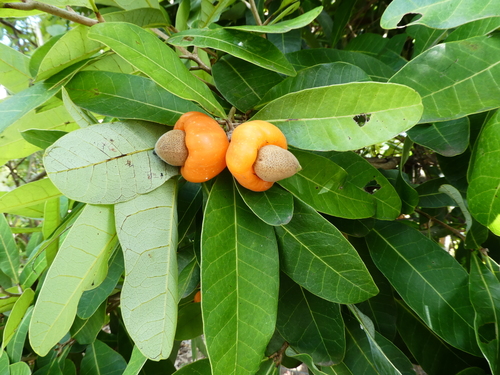
A shrub that often leans over. It can be a woody climber. It is hairy. The leaves are compound. They are 20-40 cm long with leaflets along the stalk and one at the end. The leaflets are 4-11 cm long by 2-5 cm wide. The flowers are small and white. They have a sweet scent. The fruit is fleshy and small and oblong. They are black when ripe. They are 10 mm long by 8 mm wide.
Edible Uses
The young leaves are eaten as a vegetable, and the ripe fruit are eaten fresh.
Traditional Uses
The young leaves are eaten as a vegetable. The ripe fruit are eaten.
This uses section is brief — help expand it
Distribution
A subtropical plant. It grows in scrub forests in Assam up to 1,300 m above sea level. In southern China it grows in lowland hill forests between 500-1,800 m above sea level. In Yunnan.
Where It Grows
Asia, Bangladesh, Bhutan, China, Himalayas, India, Indochina, Myanmar, Nepal, Northeastern India, SE Asia, Thailand,
Production
In Thailand it flowers and fruits January to May.
Synonyms
Also Known As
Bon am, Chutti lara, Da-cheng-brup, Dhindau bagurilata, Dhindou bogori, Du-cheng-brup, Hangding, Hongding, Lahari anp, Lomam, Mashul, Midi-takkir, Redin, Renchiling, Sirong-rik, Tam
References (12)
- Chayamarit, K., 1994, Preliminary Checklist of the Family Anacardiaceae in Thailand. Thai For. Bull. 22:1-25
- Dobriyal, M. J. R. & Dobriyal, R., 2014, Non Wood Forest Produce an Option for Ethnic Food and Nutritional Security in India. Int. J. of Usuf. Mngt. 15(1):17-37
- Gangwar, A. K. & Ramakrishnan, P. S., 1990, Ethnobotanical Notes on Some Tribes of Arunachal Pradesh, Northeastern India. Economic Botany, Vol. 44, No. 1 pp. 94-105 (Also as Tapirira hirsuta)
- Majumdar, K and Datta, N., 2009, Traditional wild edible fruits for the forest dwellers of Tripura, India. Pleione 3(2) 167-178
- Murtem, G. & Chaudhrey, P., 2016, An ethnobotanical note on wild edible plants of Upper Eastern Himalaya, India. Brazilian Journal of Biological Sciences, 2016, v. 3, no. 5, p. 63-81.
Show all 12 references Hide references
- Pasha, M. K. & Uddin, S. B., 2019, Minor Edible Fruits of Bangladesh. Bangladesh J. Plant Taxon. 26(2): 299–313 (As Tapirira hirsuta)
- Patiri, B. & Borah, A., 2007, Wild Edible Plants of Assam. Geethaki Publishers. p 32
- Pegu, R., et al, 2013, Ethnobotanical study of Wild Edible Plants in Poba Reserved Forest, Assam, India. Research Journal of Agriculture and Forestry Sciences 1(3):1-10 (As Tapirira hirsuta)
- Sarma, H., et al, 2010, Updated Estimates of Wild Edible and Threatened Plants of Assam: A Meta-analysis. International Journal of Botany 6(4): 414-423
- Sawian, J. T., et al, 2007, Wild edible plants of Meghalaya, North-east India. Natural Product Radiance Vol. 6(5): p 420 and p 422 (As Tapirira hirsuta)
- Singh, H.B., Arora R.K.,1978, Wild edible Plants of India. Indian Council of Agricultural Research, New Delhi. p 32, 68
- Singh, V. B., et al, (Ed.) Horticulture for Sustainable Income and Environmental Protection. Vol. 1 p 217