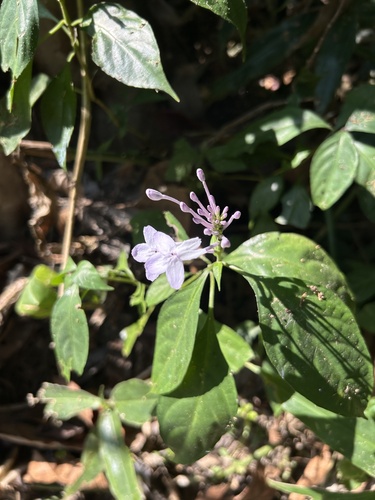
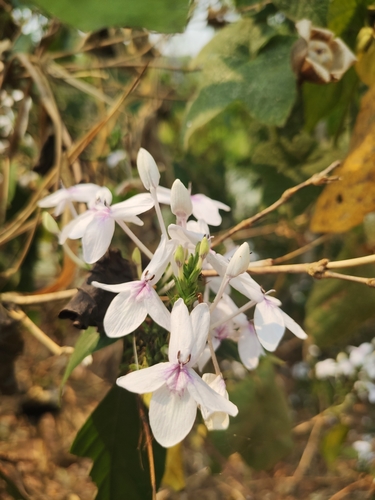
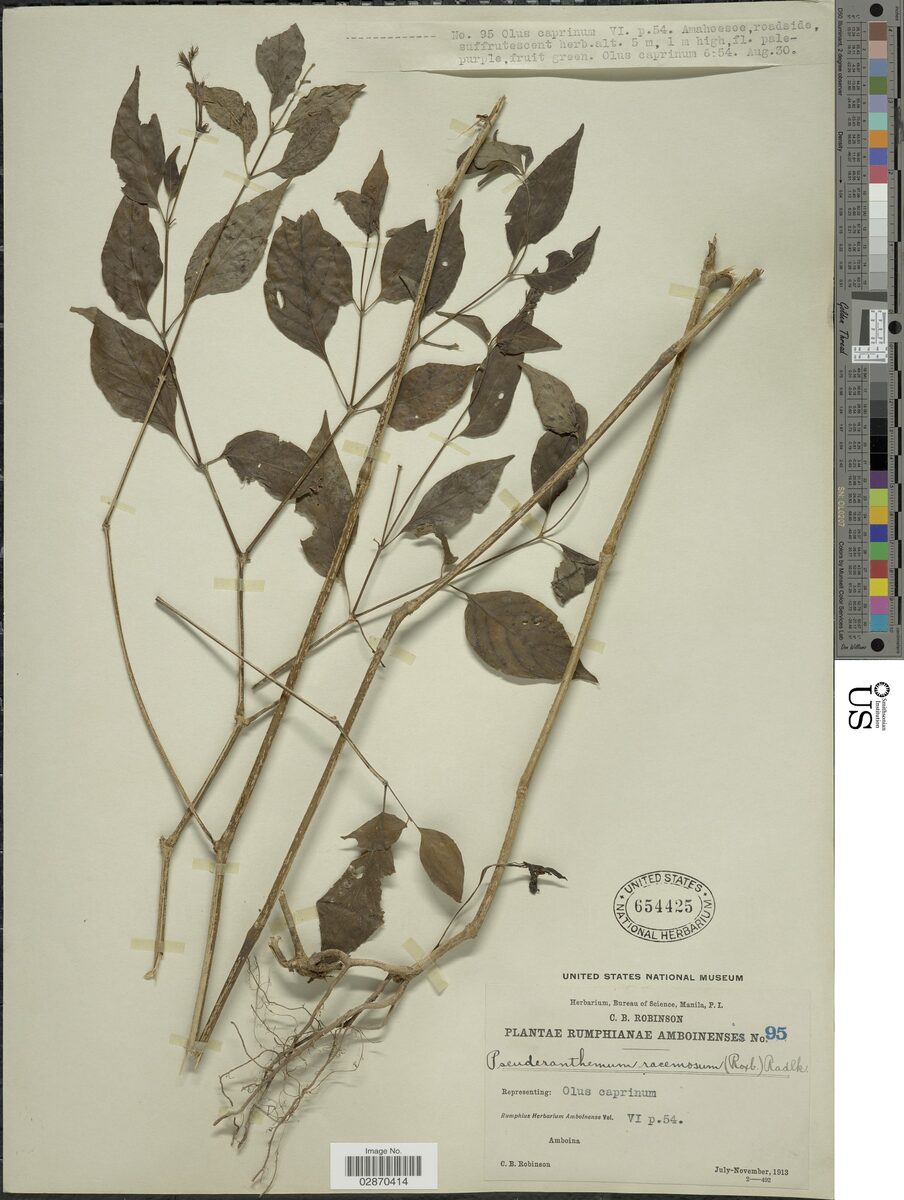
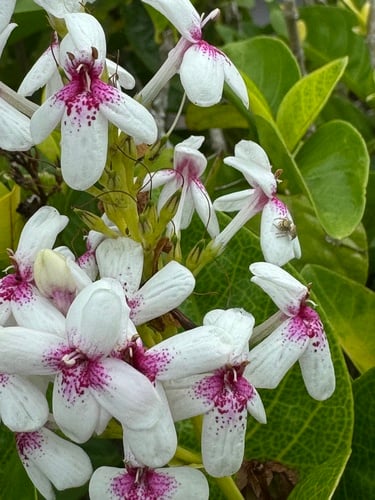
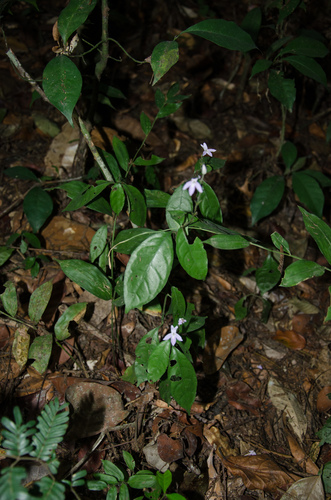
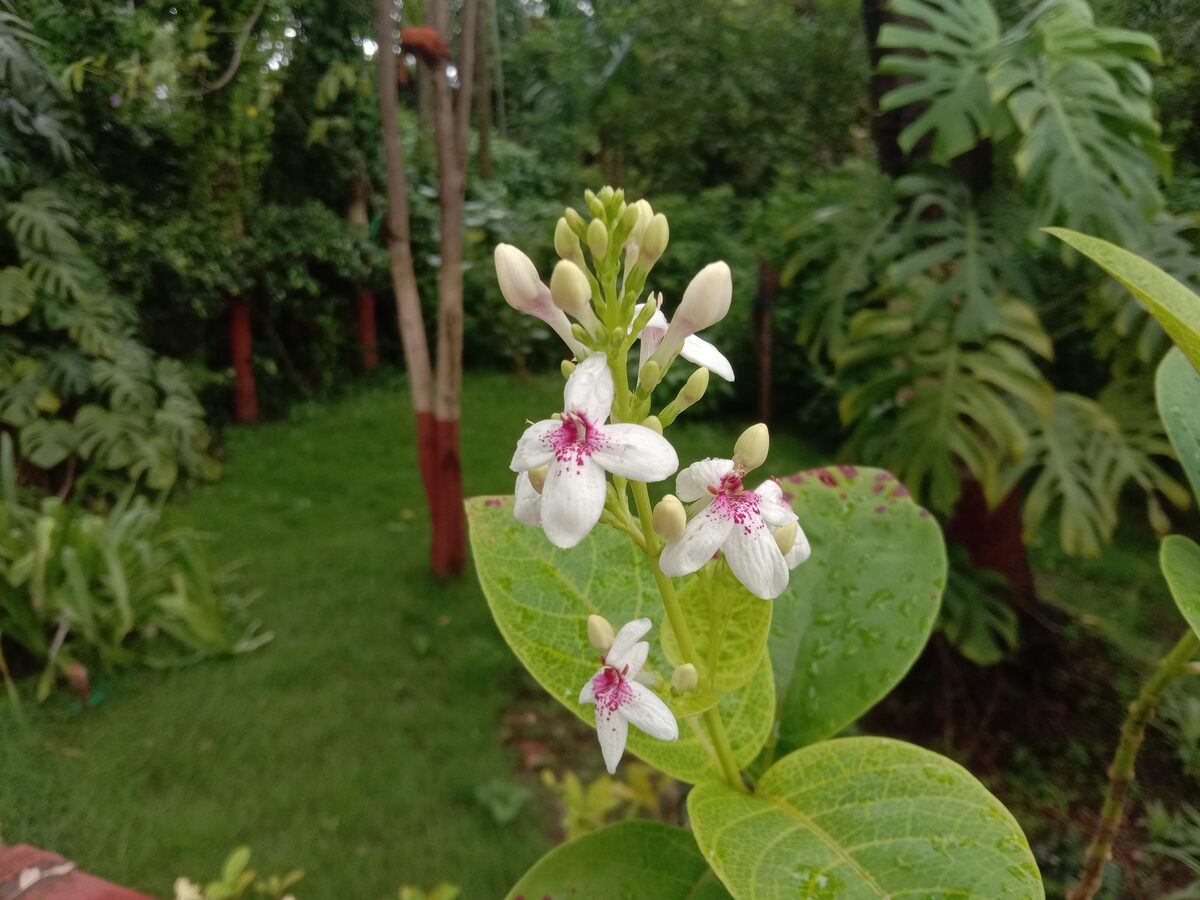
Justicia nepeta
S. Moore
Wilde lusern
iNaturalist· cc-by-nc
(c) Riana Fourie, some rights reserved (CC BY-NC)
iNaturalist· cc-by-nc
(c) Riana Fourie, some rights reserved (CC BY-NC)
iNaturalist· cc-by-nc
(c) Riana Fourie, some rights reserved (CC BY-NC)
Description
A slender erect herb. It keeps growing from year to year. It grows 20-100 cm high. The leaves are in pairs and are well spaced. The leaves are narrow and sword shaped and 2 cm long by 5 mm wide. The flowers are in the axils of leaves. Flowers usually occur singly. The fruit are 6 mm long and pointed. They are slightly downy.
Edible Uses
The fruits are edible.
Distribution
It is a subtropical plant. It grows between 100-1,850 m altitude in southern Africa. It can grow in arid places.
Where It Grows
Africa, Angola, Botswana, East Africa, Eswatini, Mozambique, Namibia, South Africa, Southern Africa, Swaziland, Zambia, Zimbabwe,
Synonyms
Also Known As
Okaliamufita, Phuduhudu
References (6)
- Peters, C. R., O'Brien, E. M., and Drummond, R.B., 1992, Edible Wild plants of Sub-saharan Africa. Kew. p 45 (As Monechma divaricatum)
- Rodin, 1985, (As Monechma divaricatum)
- Swaziland's Flora Database http://www.sntc.org.sz/flora (As Monechma divaricatum)
- Ruiters-Welcome, A. K., 2019, Food plants of southern Africa. Ph.D. thesis. Univ. of Johannesburg p 5 (As Justicia divaricata)
- Royal Botanic Gardens, Kew (1999). Survey of Economic Plants for Arid and Semi-Arid Lands (SEPASAL) database. Published on the Internet; http://www.rbgkew.org.uk/ceb/sepasal/internet [Accessed 24th March 2011] (As Monechma divaricatum)
Show all 6 references Hide references
- World Checklist of Useful Plant Species 2020. Royal Botanic Gardens, Kew