Asystasia mysorensis
(Roth) T. Anderson
Mysore asystasia
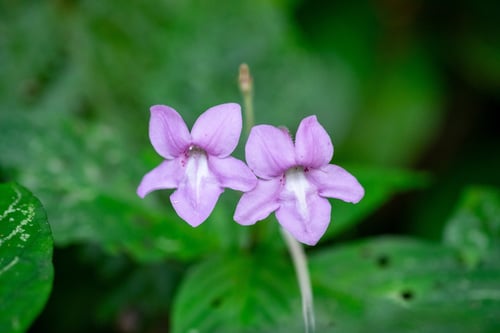
iNaturalist· cc-by-nc
(c) Shiwalee Samant, some rights reserved (CC BY-NC), uploaded by Shiwalee Samant
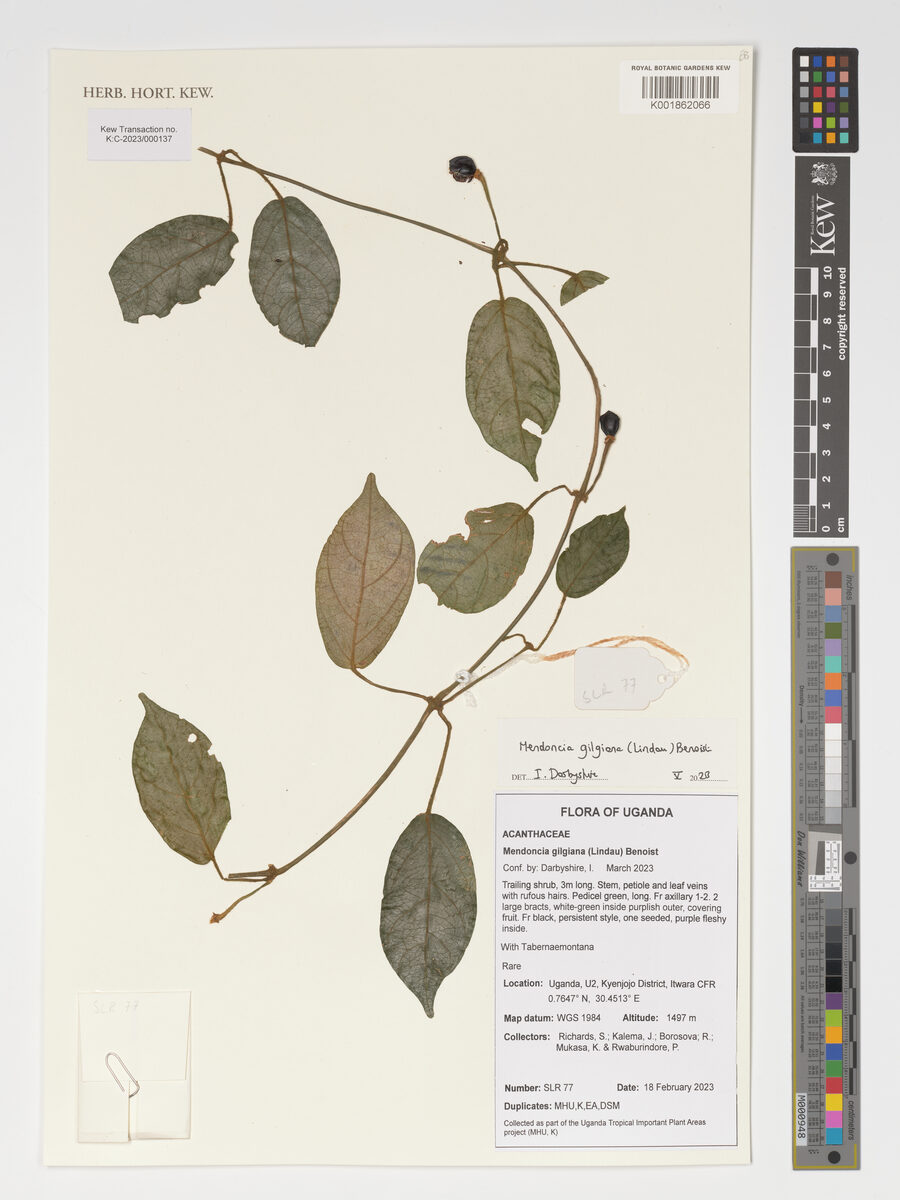
iNaturalist· cc-by-nc
(c) Damon Tighe, some rights reserved (CC BY-NC), uploaded by Damon Tighe
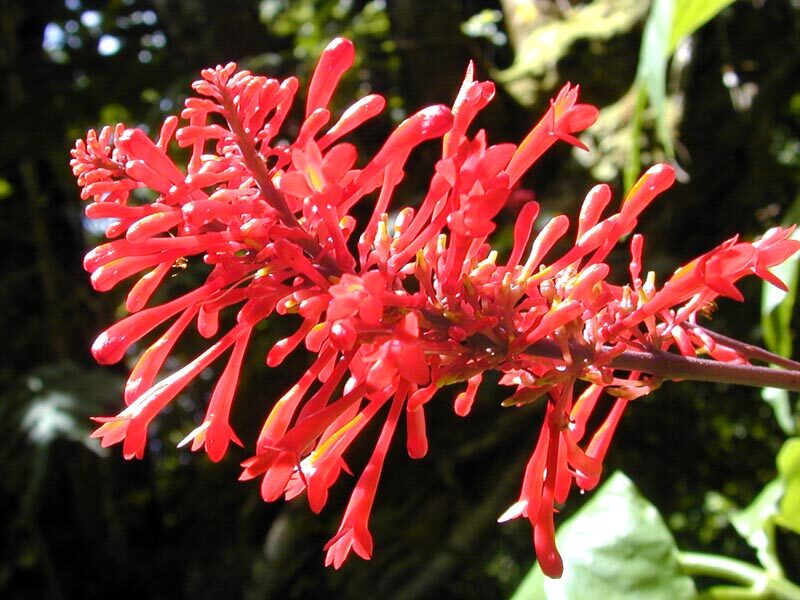
iNaturalist· cc-by
(c) Robert Taylor, some rights reserved (CC BY), uploaded by Robert Taylor
Summary
Source: WikipediaAsystasia mysorensis is an edible plant species in the family Acanthaceae found in Africa. It is used as a leafy vegetable, used by the Kikuyu community for food including the delicious 'mukimo'. The local name is 'muhika na ihuu'
Description
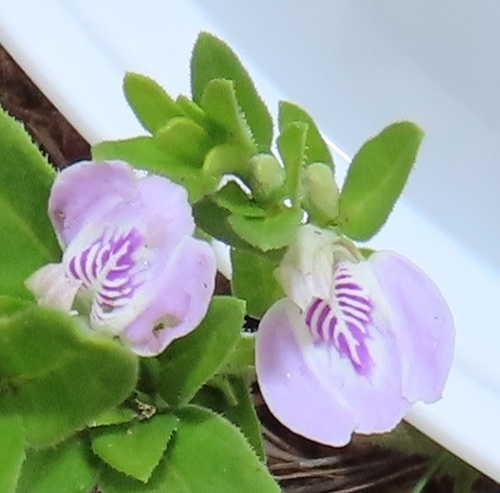
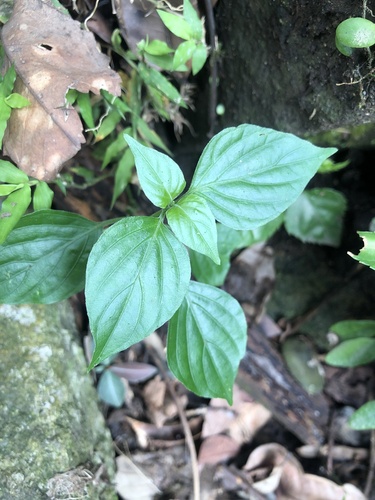
An erect herb. It grows from seeds each year. It grows from 35-70 cm tall. The leaves are opposite. They are narrowly oval and slightly hairy. They are 10 cm long. The flowers are white with green markings. They have long hairy bracts around them. The fruit is a yellow-brown capsule. It narrows at the base.
Edible Uses
The leaves are eaten as a vegetable and sold in local markets in East Africa as a minor vegetable of local importance.
Traditional Uses
Africa, Central Africa, Congo, East Africa, Eritrea, Ethiopia, Kenya, Namibia, Somalia, South Africa, Southern Africa, South Sudan, Tanzania, Uganda, Zambia, Zimbabwe,
Distribution
It is a tropical plant. It grows in damp locations. In East Africa it grows between 500-1,900 m altitude. In Tanzania it grows in areas with an annual rainfall of 1,000-2,100 mm.
Where It Grows
Forest edges and thickets and in secondary regrowth after cultivation or other disturbance of the soil. Often a weed in arable land or along paths. Found at elevations up to 2,200 metres.
Cultivation
A minor vegetable of local importance. It is sold in local markets.
Synonyms
Also Known As
Acwewanggweno, Atipa, Ecototo, Ikonito, Mkekomba, Nyante, Tikini
References (16)
- Abukutsa-Onyango, Mary, 2007, The diversity of cultivated African leafy vegetables in three communities in western Kenya. AJFAND, Volume 7, No. 3
- Acipa, A. et al, 2013, Nutritional Profile of some Selected Food Plants of Otwal and Ngai Counties, Oyam District, Northern Uganda. African Journal or Food, Agriculture, Nutrition and Development. 13(2)
- Agea, J. G., et al 2011, Wild and Semi-wild Food Plants of Bunyoro-Kitara Kingdom of Uganda: etc. Environmental Research Journal 5(2) 74-86
- Godfrey, J. et al, 2013, Harvesting, preparationand preservation of commonly consumed wild and semi-wild food plants in Bunyoro-Kitara Kingdom, Uganda. Int. J. Med. Arom. Plants. Vol.3 No.2 pp 262-282
- Grubben, G. J. H. and Denton, O. A. (eds), 2004, Plant Resources of Tropical Africa 2. Vegetables. PROTA, Wageningen, Netherlands. p 102
Show all 16 references Hide references
- Maundu, P. et al, 1999, Traditional Food Plants of Kenya. National Museum of Kenya. p 67
- Msuya, T. S., et al, 2010, Availability, Preference and Consumption of Indigenous Foods in the Eastern Arc Mountains, Tanzania, Ecology of Food and Nutrition, 49:3, 208-227
- Mutie, F. M., et al, 2023, Important Medicinal and Food Taxa (Orders and Families) in Kenya, Based on Three Quantitative Approaches. Plants 2023, 12, 1145
- Ngugi, G., 2000, Case Study from Kenya on Indigenous Wild Vegetables. Paper 4 Workshop in Kenya 1999. p 30
- Ojelel, S. & Kakudidi E. K., 2015, Wild edible plant species utilized by a subsistence farming community in the Obalanga sub-county, Amuria district, Uganda. Journal of Ethnobiology and Ethnomedicine. 11:7
- Ojelel, S., et al, 2019, Wild edible plants used by communities in and around selected forest reserves of Teso-Karamoja region, Uganda. Journal of Ethnobiology and Ethnomedicine (2019) 15:3
- Pickering, H., & Roe, E., 2009, Wild Flowers of the Victoria Falls Area. Helen Pickering, London. p 12
- Ruffo, C. K., Birnie, A. & Tengnas, B., 2002, Edible Wild Plants of Tanzania. RELMA p 148
- Ruiters-Welcome, A. K., 2019, Food plants of southern Africa. Ph.D. thesis. Univ. of Johannesburg p 5
- Welcome, A. K. & Van Wyk, B.-E., 2019, An inventory and analysis of the food plants of southern Africa. South African Journal of Botany 122 (2019) 136–179
- World Checklist of Useful Plant Species 2020. Royal Botanic Gardens, Kew