Asystasia schimperi
T. Anderson
Atipa
iNaturalist· cc-by-nc
(c) Shiwalee Samant, some rights reserved (CC BY-NC)
iNaturalist· cc-by-nc
(c) Shiwalee Samant, some rights reserved (CC BY-NC)
iNaturalist· cc-by-nc
(c) Shiwalee Samant, some rights reserved (CC BY-NC)
Description
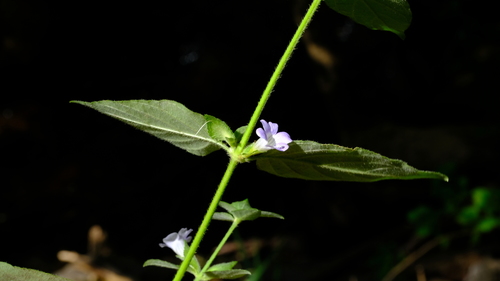
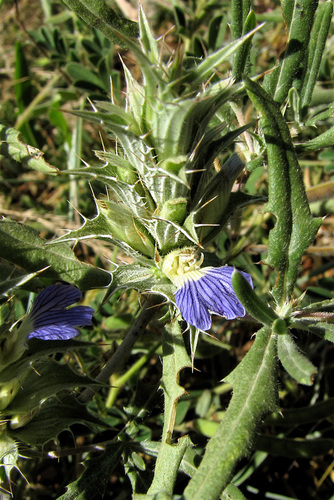
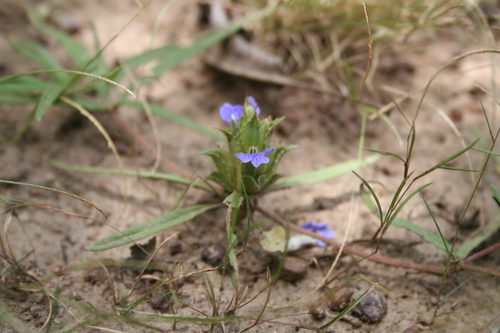
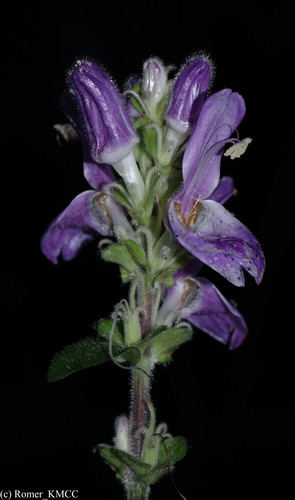
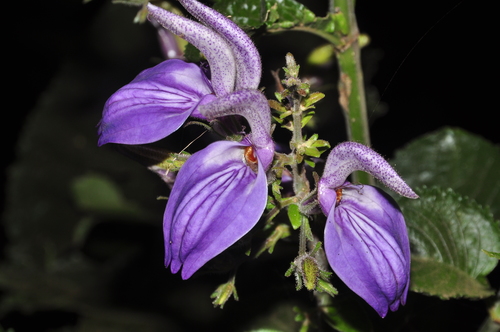
An erect annual herb. It grows 50 cm tall. The stems are 4 sided and purplish-green. They are hairy. The stems come from a taproot. The leaves are simple and opposite. They are oval or oblong and taper to both ends. They are light green and hairy. The flowers are small and pink. They are 15 mm long. The fruit is a stalked capsule. It is flattened and on the sides and has 4 seeds. Probably now Asystasia mysorensis
Edible Uses
The plant and leaves are eaten.
Medicinal Uses
It is used as a medicine.
Distribution
A tropical plant.
Where It Grows
Africa, Botswana, East Africa, Eswatini, Kenya, Namibia, South Africa, Southern Africa, Swaziland, Tanzania, Uganda,
Notes
There are about 40-70 Asystasia species. It is also used as a medicine.
Also Known As
Ecototo, Imbobela, Imifino, Limu, Namatala, Nyante, Temba, Urombokayo
References (14)
- Herb., E. A., 1981,
- Cunningham, 1985,
- Fox, F. W. & Young, M. E. N., 1982, Food from the Veld. Delta Books. p 67
- Goode, P., 1989, Edible Plants of Uganda. FAO p 26
- Goode, P., 1989, Edible Plants of Uganda. FAO p 36
Show all 14 references Hide references
- Goode, P., 1989, Edible Plants of Uganda. FAO p 39
- Grivetti, L. E., 1980, Agricultural development: present and potential role of edible wild plants. Part 2: Sub-Saharan Africa, Report to the Department of State Agency for International Development. p 42
- Jardin, C., 1970, List of Foods Used In Africa, FAO Nutrition Information Document Series No 2.p 57
- Johns, T., and Kokwaro, J.O., 1991, Food Plants of the Luo of Siayo District, Kenya. Economic Botany 45(1), pp 103-113
- Long, C., 2005, Swaziland's Flora - siSwati names and Uses http://www.sntc.org.sz/flora/
- Martin, F.W. & Ruberte, R.M., 1979, Edible Leaves of the Tropics. Antillian College Press, Mayaguez, Puerto Rico. p 171
- Peters, C. R., O'Brien, E. M., and Drummond, R.B., 1992, Edible Wild plants of Sub-saharan Africa. Kew. p 43
- Rubaihayo, E. B., Conservation and use of traditional vegetables in Uganda. Bioversity International.
- Terra, G.J.A., 1973, Tropical Vegetables. Communication 54e Royal Tropical Institute, Amsterdam, p 27