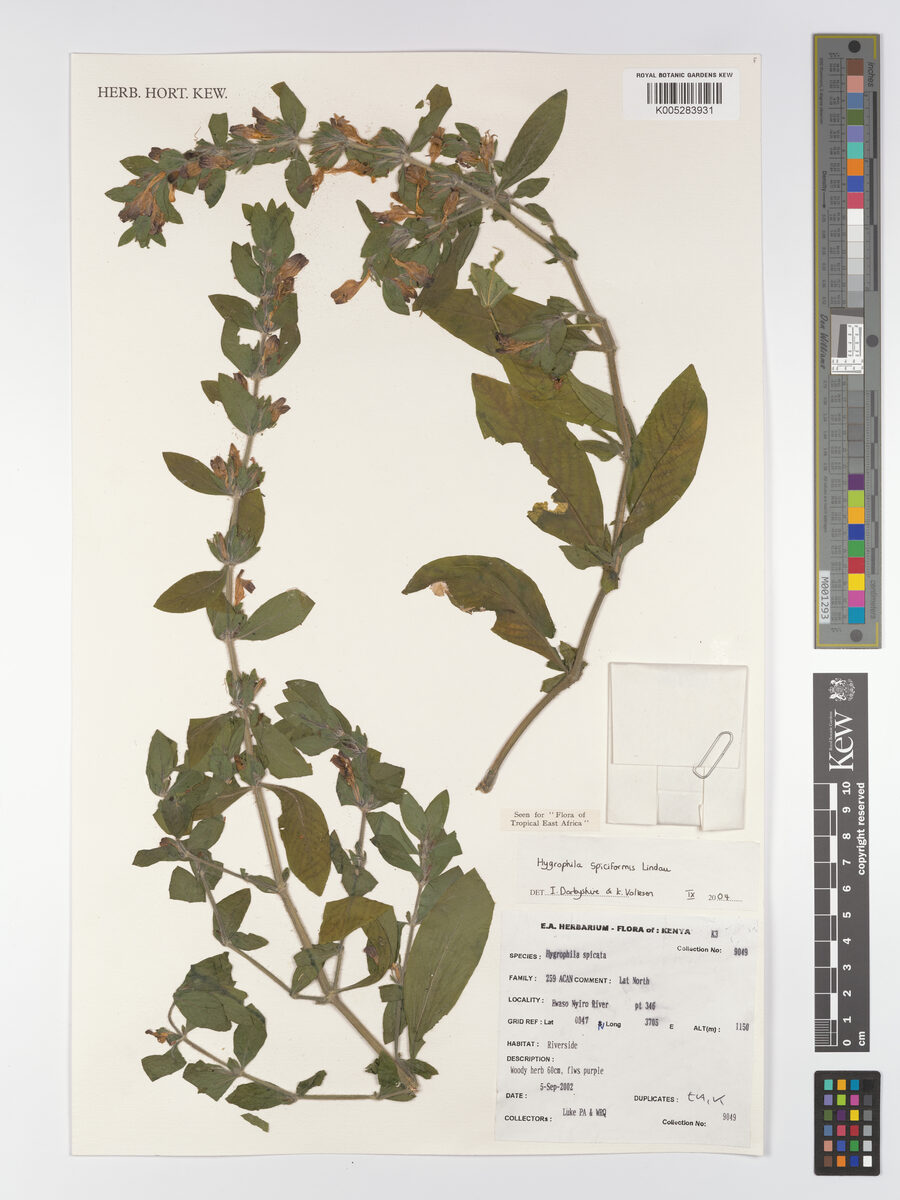
Avicennia africana
Beauv.
Mangle boton, Black Mangrove, White Mangrove
iNaturalist· cc-by-nc
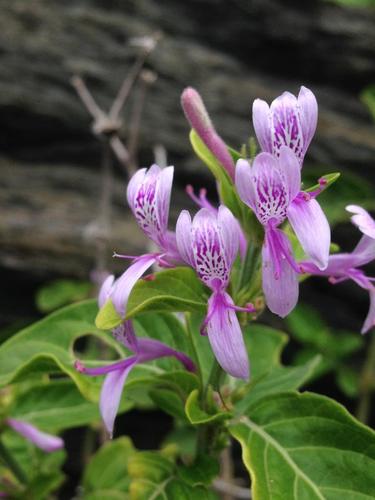
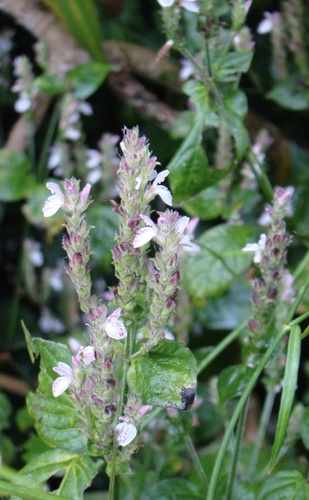
(c) emmie, some rights reserved (CC BY-NC)
iNaturalist· cc-by-nc
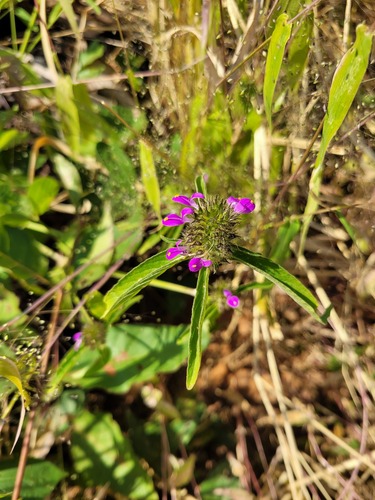
(c) emmie, some rights reserved (CC BY-NC)
iNaturalist· cc-by-nc
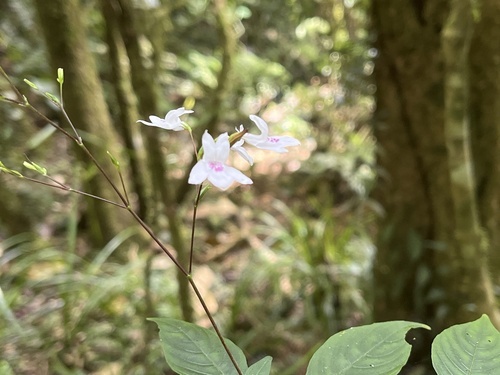
(c) emmie, some rights reserved (CC BY-NC)
Description
A shrub or tree. It can grow 18 m tall. It has pneumatophores or aerial roots. The leaves are oblong to sword shaped and opposite. They clasp the stem at the base. They are 18 cm long by 8 cm wide. The flowers are white with yellow centres. They are crowded at the ends of short stalks.
Edible Uses
The germinating seeds are eaten.
Traditional Uses
The germinating seeds are eaten.
This uses section is brief — help expand it
Distribution
A tropical plant. It grow in mangrove areas along coastlines.
Where It Grows
Africa, Sierra Leone, West Africa,
Notes
There are about 6-8 Avicennia species. They are tropical. Also put in the family Avicenniaceae.
Synonyms
Also Known As
Bue-dinte, Bue-le, Gbeletii, Jaiyei, Ka-bure
References (6)
- Dalziel, J. M., 1937, The Useful plants of west tropical Africa. Crown Agents for the Colonies London.
- Enum. syst. pl. 25. 1760 (Select. stirp. amer. hist. 177, t. 112, fig. 1. 1763)
- Jardin, C., 1970, List of Foods Used In Africa, FAO Nutrition Information Document Series No 2.p 58
- Peters, C. R., O'Brien, E. M., and Drummond, R.B., 1992, Edible Wild plants of Sub-saharan Africa. Kew. p 197
- Savill, P. S. & Fox, J. E. D., Trees of Sierra Leone. p 51
Show all 6 references Hide references
- Terra, G.J.A., 1973, Tropical Vegetables. Communication 54e Royal Tropical Institute, Amsterdam, p 27