Quercus lyrata x virginiana
Compton's oak
iNaturalist· cc-by-nc
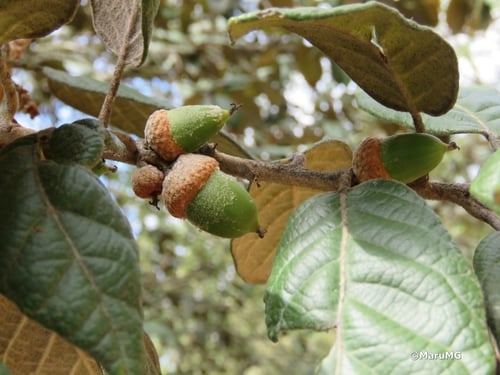
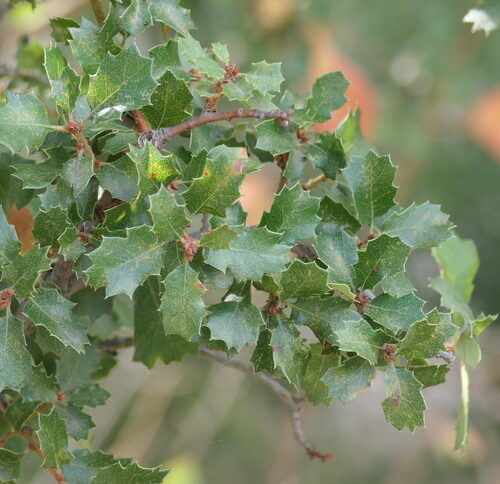
(c) Jason, some rights reserved (CC BY-NC), uploaded by Jason
iNaturalist· cc-by-sa
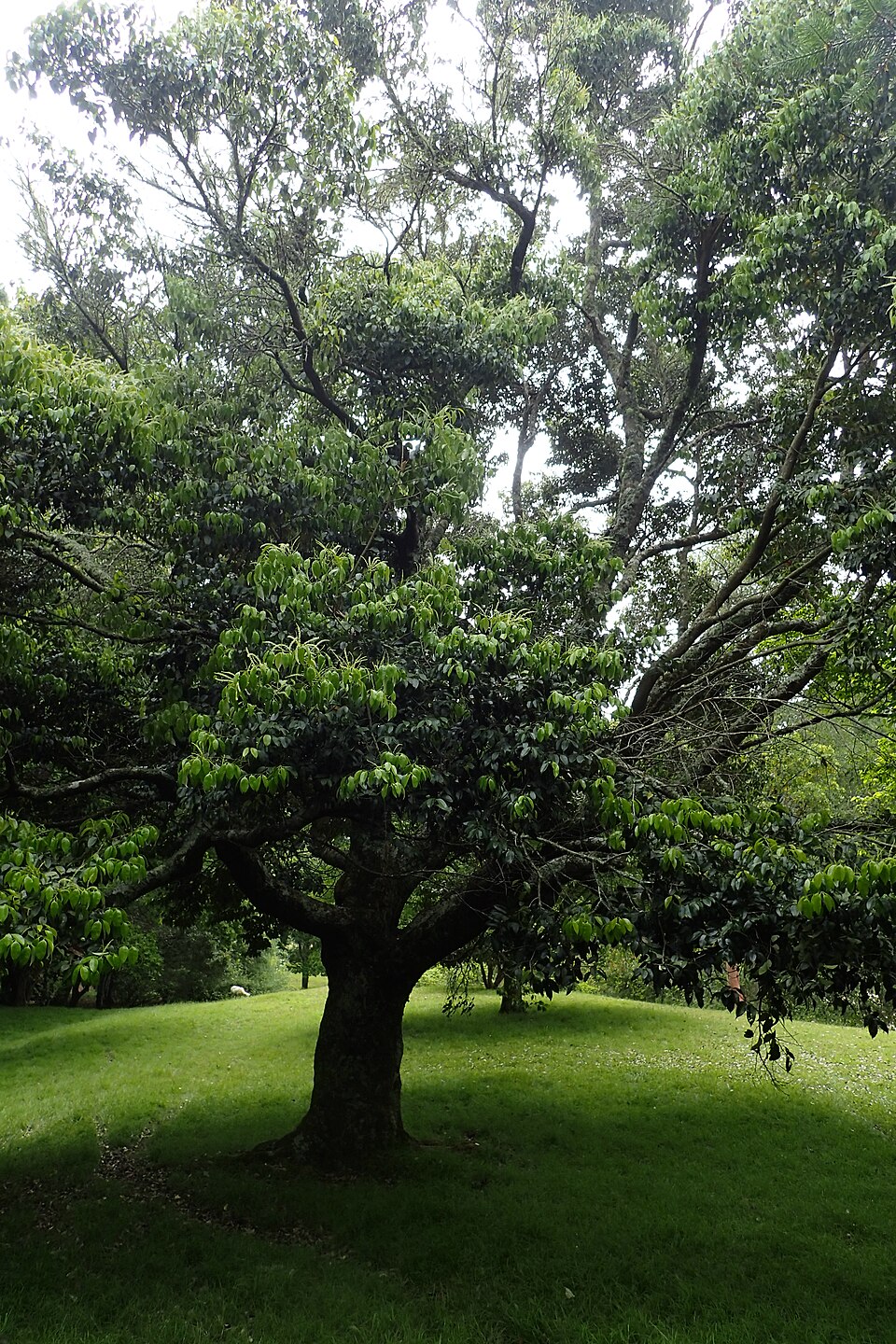
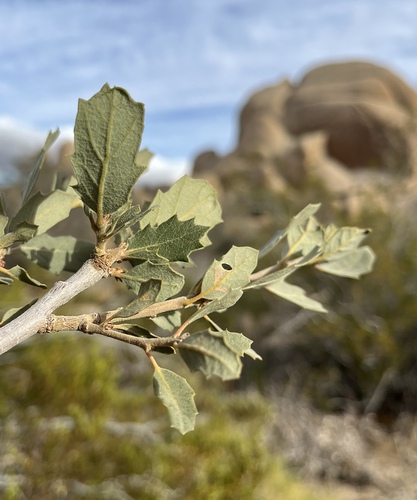
(c) Douglas Goldman, some rights reserved (CC BY-SA), uploaded by Douglas Goldman
iNaturalist· cc-by-nc
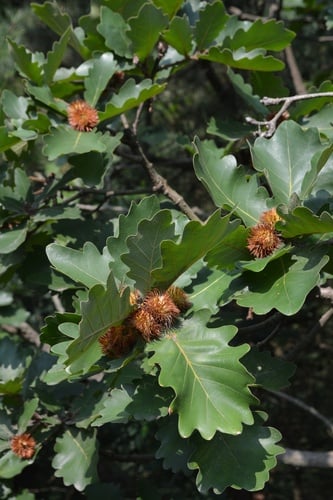
(c) Chris Kneupper, some rights reserved (CC BY-NC)
Summary
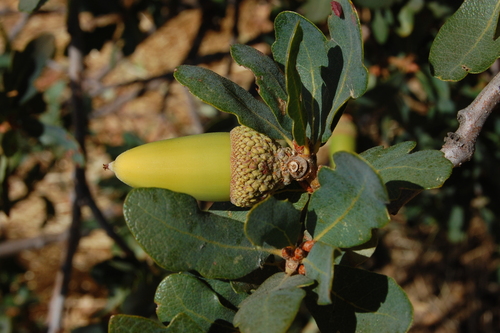
Source: WikipediaQuercus lyrata, the overcup oak, is an oak in the white oak group (Quercus sect. Quercus). The common name, overcup oak, refers to its acorns that are mostly enclosed within the acorn cup. It is native to lowland wetlands in the eastern and south-central United States, in all the coastal states from New Jersey to Texas, inland as far as Oklahoma, Missouri, and Illinois. There are historical reports of it growing in Iowa, but the species appears to have been extirpated there. It is a slow-growing tree that often takes 25 to 30 years to mature. It has an estimated lifespan of 400 years.
Description
A tree.
This description is brief — help expand it
Known Hazards
The wood is considered less valuable than that of other white oaks. This is due to its relatively high susceptibility to injury and disease. However, it can be used for lumber and cooperage. It is not often used to make quality products such as furniture. It can be used as firewood. Its acorns are eaten by birds and mammals, but are a low severity poison to humans. The tree can also be planted as an ornamental.
Distribution
It is a temperate plant.
Where It Grows
North America, USA
References (1)
- Lyle, S., 2006, Discovering fruit and nuts. Land Links. p 373