Pisonia umbellifera
(J.R. & G. Forster) Seemann
Bird lime tree
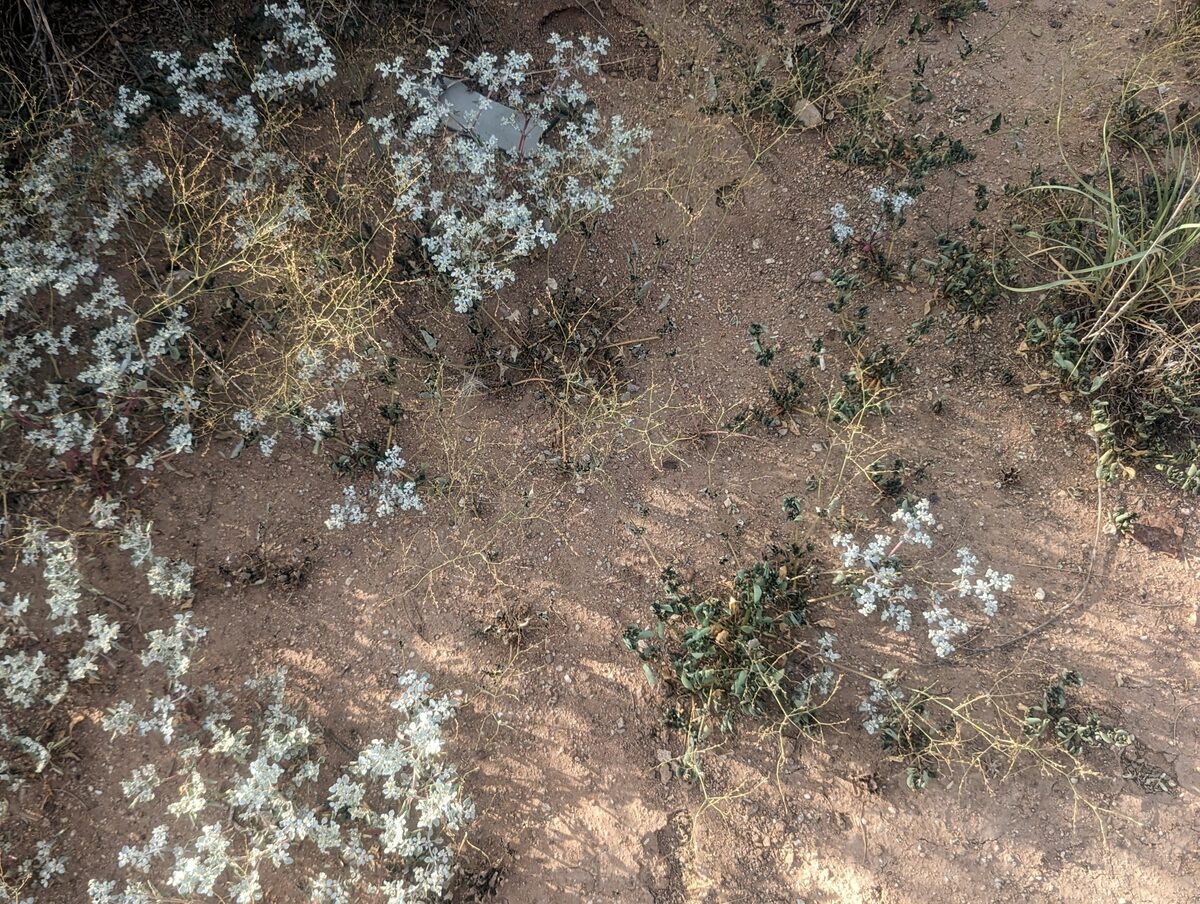
iNaturalist· cc-by-nc
(c) 洪阿愷, some rights reserved (CC BY-NC)
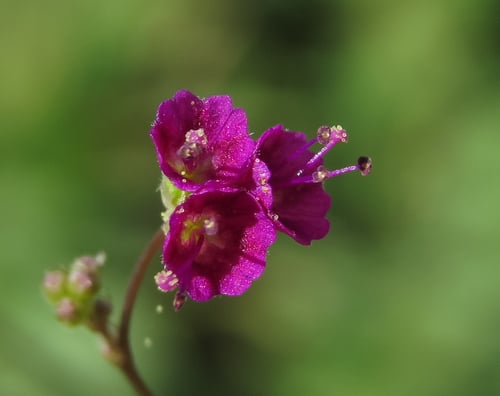
iNaturalist· cc-by-nc
(c) 洪阿愷, some rights reserved (CC BY-NC)
iNaturalist· cc-by-nc
(c) 洪阿愷, some rights reserved (CC BY-NC)
Description
A shrub or small tree. It grows 5-15 m high. The trunk is 30 cm across. It is branched near the base. The leaves are alternate or opposite and in clusters. The leaf blade is oval and 6-20 cm long and 4-10 cm wide. They are soft. The leaf stalk is 2-5 cm long. The flowers are small and very fragrant. They contain both sexes. The fruit are 2-5 cm long and have ribs. They are sticky.
Edible Uses
The young leaves are steamed and eaten.
Traditional Uses
The young leaves are steamed and eaten.
This uses section is brief — help expand it
Medicinal Uses
Studies state that there is not sufficient research on the chemical constitution of this genus. A 1996 study found that Ceodes umbellifera had six different saponins, with three of these being ‘new oleanolic acid saponins’. Secopisonic acid, pisodienone, pisoninol I and II have also been extracted from the plant. A 2018 study assessing anti-inflammatory and cytotoxic properties of Ceodes umbellifera discovered 12 new compounds in the plant's stem. In Hawaii, the tree was used for a variety of purposes by early indigenous people. Leaves of Ceodes umbellifera is used as a general purpose medicine for digestive issues and childhood disease. It was similarly used in Chinese culture by Li folk of the Hainan province. In their paper on saponins found in the shrub's leaves, Lavaud and Beauvir state that "In Vanuatu, the leaves of P. umbellifera are also used as a treatment for ciguatera poisoning and as a 'green manure'. Further, Melensian ‘market-gardeners’ will reportedly bury Ceodes umbellifera leaves amongst the soil to prevent phytophage nematodes in crops. Potential medicinal properties of pisonia umbellifera have been the subject of scientific investigation. One study found that compounds extracted from the leaves of pisonia umbellifera could have ‘antitubercular activity’ under certain circumstances. Another study aimed to ascertain the anti-inflammatory and cytotoxic activities of compounds found in the plant's stems, with no notable results.
Distribution
A tropical plant. It grows in rainforest and monsoon forest. In Fiji it grows from sea level to 825 m altitude. It can grow in exposed coastal strips or in forest. It suits hardiness zones 9-11.
Where It Grows
American Samoa, Asia, Australia*, China, Christmas Island, East Timor, Fiji, Hawaii, India, Indochina, Indonesia, Malaysia, Mariana Islands, Marquesas, Pacific*, Philippines, Saipan, SE Asia*, Thailand, Timor-Leste, Vanuatu, Vietnam,
Cultivation
Plants can be grown from seeds or by cuttings or air-layering.
Propagation
Seed - Cuttings of mature wood. Cuttings of greenwood, rooted with bottom heat. Layering.
Other Uses
The plant cam be grown as a hedge and to form a screen. The leaves are used as a green manure.
Other Information
It is a cultivated plant.
Synonyms
Also Known As
Biru, Bison tan, Bugho, Kol banda, Kulbum, Maluko, Ndainga, Papala, Parapara, Pohon gendala, Roro
References (10)
- Cabalion, P. and Morat, P., 1983, Introduction le vegetation, la flore et aux noms vernaculaires de l'ile de Pentcoste (Vanuatu), In: Journal d'agriculture traditionnelle et de botanique appliquee JATBA Vol. 30, 3-4
- Cowie, I, 2006, A Survey of Flora and vegetation of the proposed Jaco-Tutuala-Lore National Park. Timor-Lests (East Timor) www.territorystories.nt/gov.au p 51
- Dobriyal, M. J. R. & Dobriyal, R., 2014, Non Wood Forest Produce an Option for Ethnic Food and Nutritional Security in India. Int. J. of Usuf. Mngt. 15(1):17-37
- Flora of China @ efloras.org Volume 5
- Franklin, J., Keppel, G., & Whistler, W., 2008, The vegetation and flora of Lakeba, Nayau and Aiwa Islands, Central Lau Group, Fiji. Micronesica 40(1/2): 169–225, 2008
Show all 10 references Hide references
- Ochse, J. J. et al, 1931, Vegetables of the Dutch East Indies. Asher reprint. p 539 (As Pisonia alba)
- Smith, A.C., 1981, Flora Vitiensis Nova, Lawaii, Kuai, Hawaii, Volume 2 p 266
- Sukarya, D. G., (Ed.) 2013, 3,500 Plant Species of the Botanic Gardens of Indonesia. LIPI p 454, 688
- Vanuatu Herbarium
- Zeven, A. C. & de West, J. M. J., 1982, Dictionary of cultivated plants and their regions of diversity. Wageningen. p 61 (As Pisonia alba)