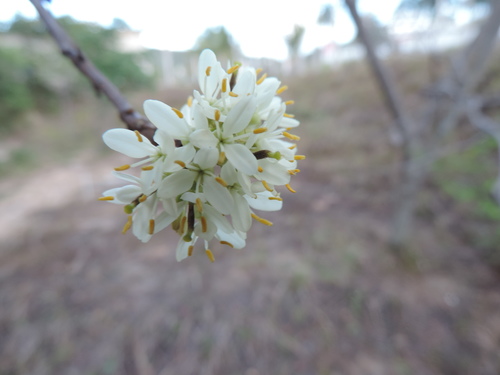
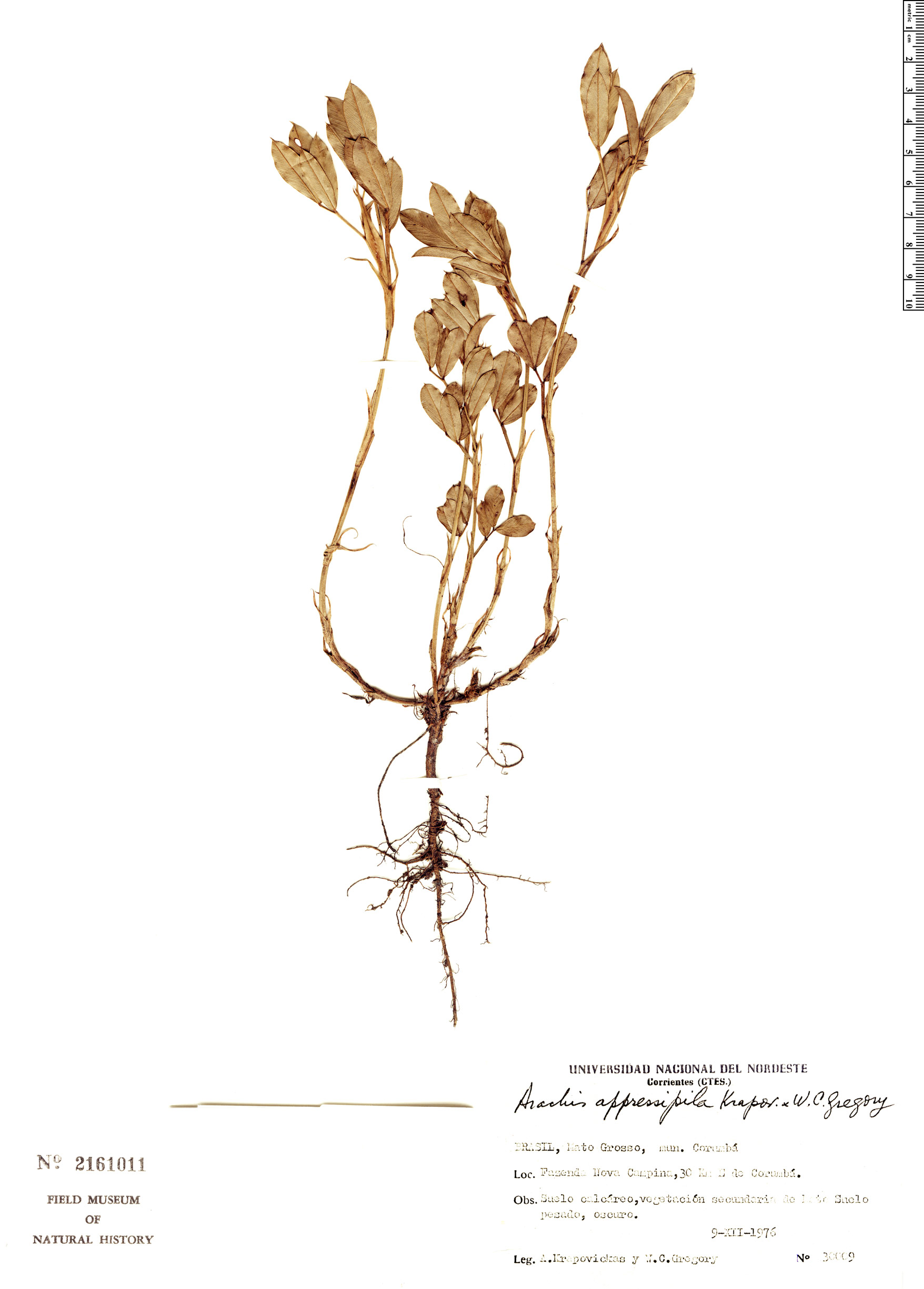
Platymiscium pinnatum
(Jacq.) Dugand
Swamp macawood
iNaturalist· cc-by-nc
(c) DAVILA REYES DANIEL, some rights reserved (CC BY-NC), uploaded by DAVILA REYES DANIEL
iNaturalist· cc-by
(c) Daniel A. Monsalve Ortiz, some rights reserved (CC BY), uploaded by Daniel A. Monsalve Ortiz
iNaturalist· cc-by-nc-sa
(c) Mateo Hernandez Schmidt, some rights reserved (CC BY-NC-SA), uploaded by Mateo Hernandez Schmidt
Description
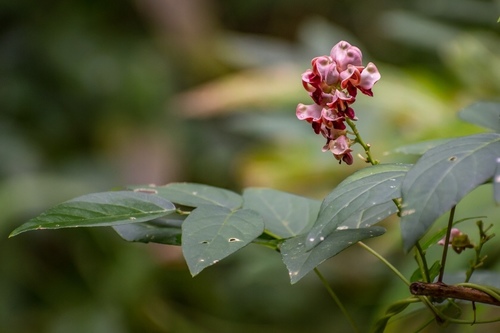
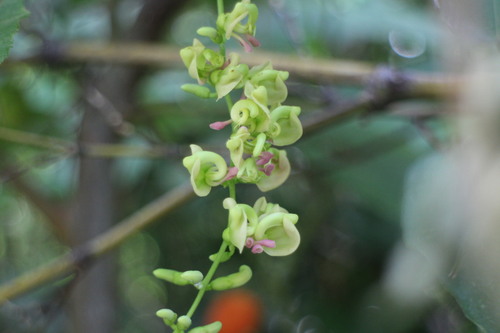
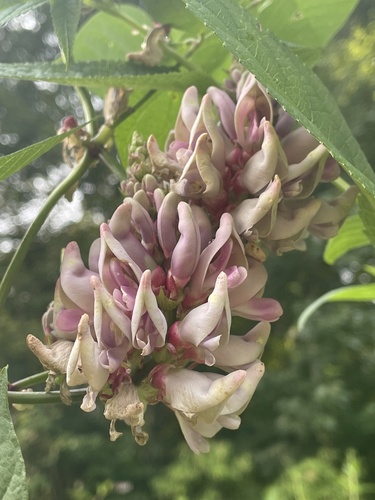
A tall tree. The trunk is straight. Large trees have small round buttresses. The leaves are opposite. They have an odd number of leaflets. There are 5-7 opposite leaflets. The flowers are yellow. The fruit is a large winged seed.
Edible Uses
The leaves are used to flavor roasted corn.
Traditional Uses
Corn is roasted in these leaves to have added flavour.
This uses section is brief — help expand it
Medicinal Uses
Used as a medicine for skin ailments.
Distribution
It is a tropical plant. It can grow in dry and moist areas.
Where It Grows
Amazon, Belize, Bolivia, Brazil, Central America, Colombia, Costa Rica, Ecuador, El Salvador, Guiana, Guatemala, Guyana, Honduras, Mexico, North America, Panama, Peru, South America, Sri Lanka, Suriname, Trinidad and Tobago, Venezuela,
Cultivation
A plant of tropical lowland areas, where it is found at elevations up to 600 metres. Prefers a mean annual temperature of 23 - 26°c. Succeeds in areas where the mean annual rainfall varies from 1,500 - 3,000mm. Prefers a position in full sun. Grows best in a deep, fertile, moisture-retentive soil. Established plants are fairly drought tolerant. Fairly fast-growing according to one report, but slow-growing according to another. This species has a symbiotic relationship with certain soil bacteria, these bacteria form nodules on the roots and fix atmospheric nitrogen. Some of this nitrogen is utilized by the growing plant but some can also be used by other plants growing nearby.
Propagation
Seed - Cuttings
Other Uses
The heartwood is rich red or reddish brown, uniform or sometimes with lighter or darker veining; it is clearly demarcated from the 5 - 10cm wide band of yellowish white sapwood. The texture is medium; the grain straight or interlocked, sometimes wavy. The wood is moderately heavy to heavy; hard to very hard; tough; elastic; durable, being resistant to fungi, dry wood borers and termites. It seasons somewhat slowly, with only a slight risk of checking or distortion; once dry it is stable in service. It works well with ordinary tools; finishes smoothly; takes a high polish; nailing and screwing are good, but require pre-boring; gluing is correct. A beautiful and expensive timber usually reserved for first class end uses, it is used in construction, high class furniture and cabinet making, billiard cues, turnery, sculpture, musical instruments, panelling, flooring veneer etc. In Guatemala it is believed to be the favourite wood for making the keys of marimbas. The wood is used for fuel. The smoke is believed to impart a very pleasant taste to corn tarts that are cooked over the wood.
Synonyms
Also Known As
Cachimbo, Caoba, Coyote, Cristobal, Chagane, Estoraque, Guayacan, Guira, Hormigo, Manicillo blanco, Quira macawood, Macacauba, Roble, Sangrillo, Tajibillo, Taraja amarilla, Tarara, Tasajo, Trebol, Vencola
References (7)
- Contr. Hist. Nat. Colomb. 1:11. 1938
- Condit, R., et al, 2011, Trees of Panama and Costa Rica. Princeton Field Guides. p 232
- Facciola, S., 1998, Cornucopia 2: a Source Book of Edible Plants. Kampong Publications, p 110
- Grandtner, M. M., 2008, World Dictionary of Trees. Wood and Forest Science Department. Laval University, Quebec, Qc Canada. (Internet database http://www.wdt.qc.ca)
- Grandtner, M. M. & Chevrette, J., 2013, Dictionary of Trees, Volume 2: South America: Nomenclature, Taxonomy and Ecology. Academic Press p 512
Show all 7 references Hide references
- Kermath, B. M., et al, 2014, Food Plants in the Americas: A survey of the domesticated, cultivated and wild plants used for Human food in North, Central and South America and the Caribbean. On line draft. p 671
- Kew Plants of the World Online