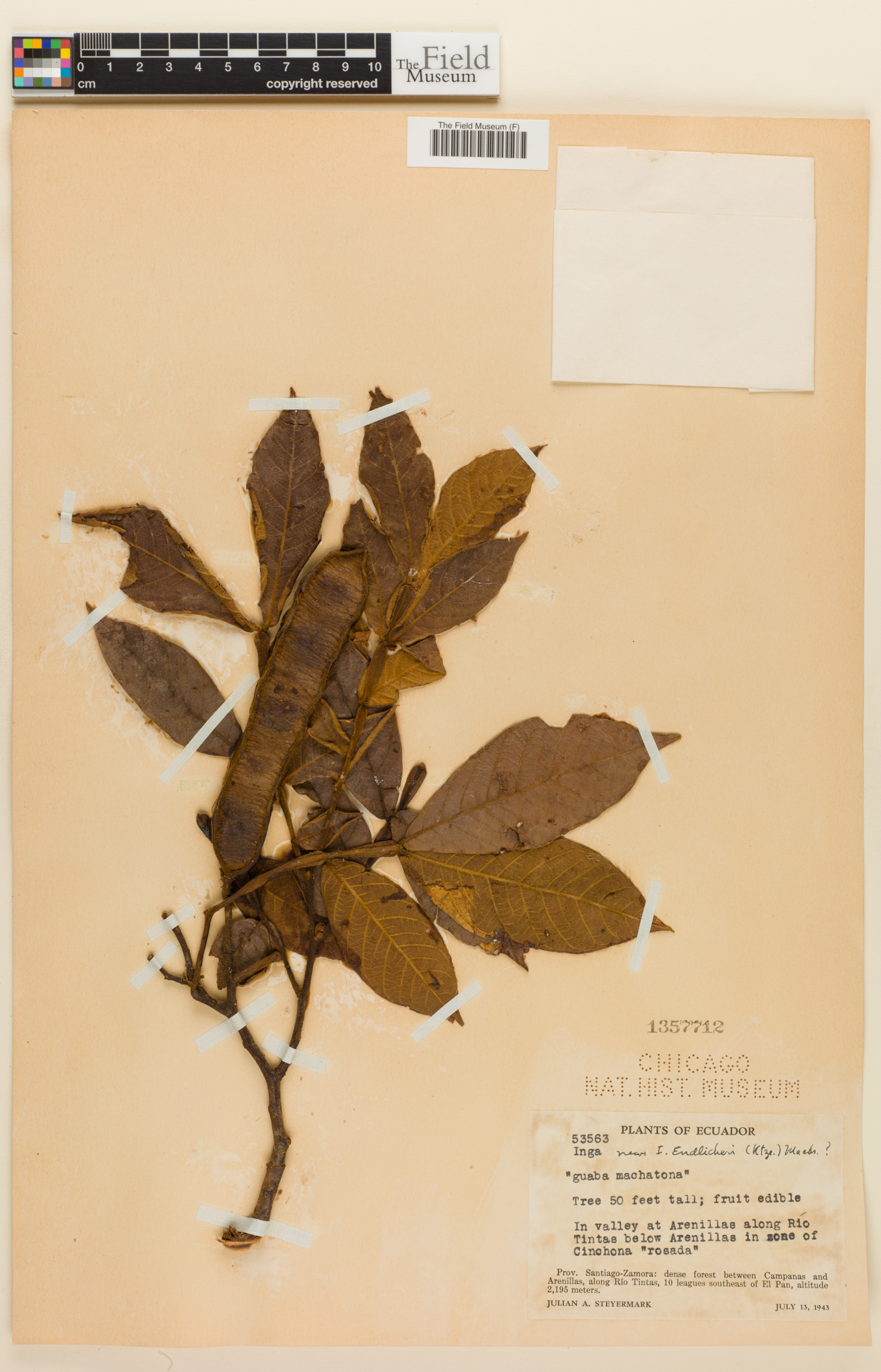
Albizia grandibracteata
Taub.
Red nongo
iNaturalist· cc-by
(c) Mathew Rees, some rights reserved (CC BY), uploaded by Mathew Rees
iNaturalist· cc-by-nc
(c) Jóna Zoltán, some rights reserved (CC BY-NC)
Description
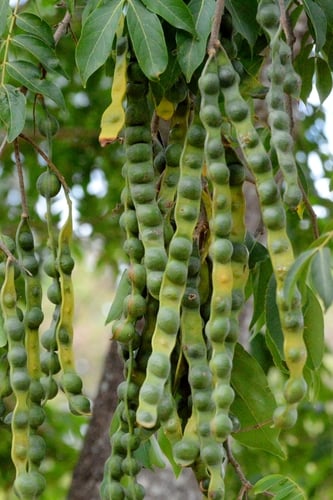
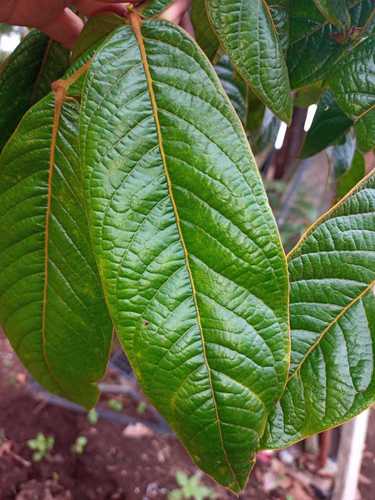
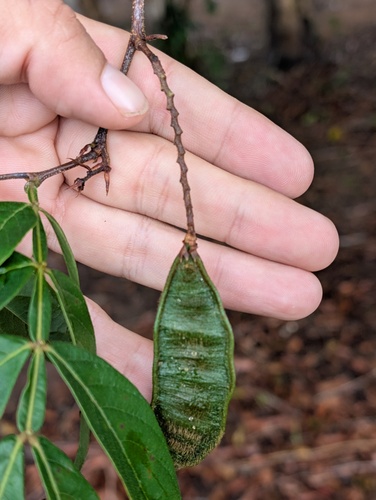
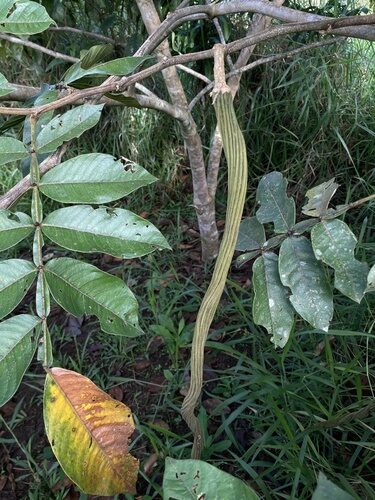
A tree. It grows 30 m tall. The bark is smooth. The crown can be round or flat. The branches have short brown hairs when young. It loses its leaves during the year. The leaves are twice divided. There are 2-3 pairs of pinnae each with 3-6 pairs of leaflets. The leaflet blades are small. The flowers are pink or white. The fruit are pods 7-15 cm long by 2-3 cm wide. The seeds are about 1 cm long and flattened.
Edible Uses
The bark is used to make a local alcoholic drink.
Traditional Uses
The bark is used for making a local alcoholic drink.
This uses section is brief — help expand it
Medicinal Uses
The bark is traditionally used for making a local alcoholic drink.
Distribution
It is a tropical plant. It grows between 1,160-2,130 m above sea level.
Where It Grows
Africa, Central Africa, Congo DR, East Africa, Ethiopia, Kenya, Rwanda, Sudan, Tanzania, Uganda,
Cultivation
This species has a symbiotic relationship with certain soil bacteria, these bacteria form nodules on the roots and fix atmospheric nitrogen. Some of this nitrogen is utilized by the growing plant but some can also be used by other plants growing nearby.
Propagation
Seed - it has a hard seedcoat and may benefit from scarification before sowing to speed up germination. This can usually be done by pouring a small amount of nearly boiling water on the seeds (being careful not to cook them!) and then soaking them for 12 - 24 hours in warm water. By this time they should have imbibed moisture and swollen - if they have not, then carefully make a nick in the seedcoat (being careful not to damage the embryo) and soak for a further 12 hours before sowing.
Other Uses
The following report is for Albizia gummifera. This species is very similar and has the same uses. The heartwood is yellowish brown or reddish brown, often with a golden tinge; it is distinctly demarcated from the 7 - 10cm wide pale yellow or white sapwood. The grain is straight or interlocked, texture medium to coarse. The wood properties are variable and depend on the origin of the wood, that from Madagascar being heaviest and strongest. The wood is moderately light to moderately heavy. It generally saws and works fairly easily with ordinary hand and machine tools, but sawn and planed surfaces tend to pick up. The use of a filler is necessary to obtain a good finish. The wood holds nails and screws well and does not split easily. The gluing and staining properties are satisfactory, and steam bending properties moderate. Reports on durability of the heartwood are contradictory, but in general it is susceptible to fungal, wood borer and termite attack. The wood is used for light construction, furniture, cabinet work and various implements. It is also suitable for mine props, light flooring, joinery, interior trim, panelling, framing, toys and novelties, sporting goods, boxes, crates, carvings, peeled and sliced veneer, plywood, hardboard and particle board. Logs are traditionally used for the construction of canoes. The wood pulp is suitable for paper production. The wood is sometimes used as firewood and for making charcoal. The tree is valued for providing shade for crops such as coffee, tea and vanilla, and is also planted or retained for soil conservation and improvement.
Notes
Also as Mimosaceae.
Also Known As
Bamu, Nkungu, Sati
References (3)
- Awas, T., 1997, A Study on the Ecology and Ethnobotany of Non-cultivated Food Plants and Wild Relatives of Cultivated crops in Gambella Region, Southwestern Ethiopia. Addis Ababa University. p 50
- Lulekal, E., et al, 2011, Wild edible plants in Ethiopia: a review on their potential to combat food insecurity. Afrika Focus - Vol. 24, No 2. pp 71-121
- Terashima, H., et al, 1992, Ethnobotany of the Lega in the Tropical Rainforest of Eastern Zaire (Congo): Part Two, Zone de Walikale, African Study Monographs, Suppl. 19:1-60