Albizia glaberrima
(Schumach. & Thonn.) Benth.
Lowveld albizia
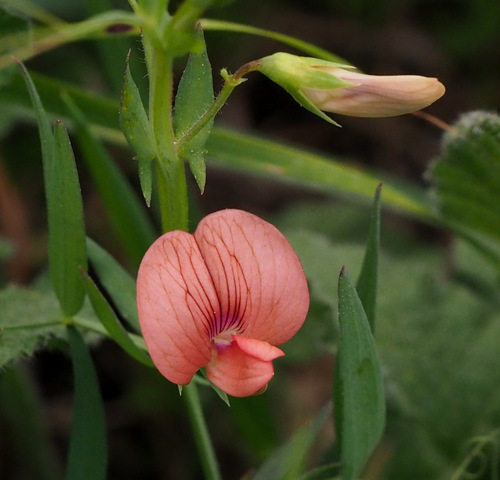
iNaturalist· cc-by-nc
(c) Mark Hyde, Bart Wursten and Petra Ballings, some rights reserved (CC BY-NC)
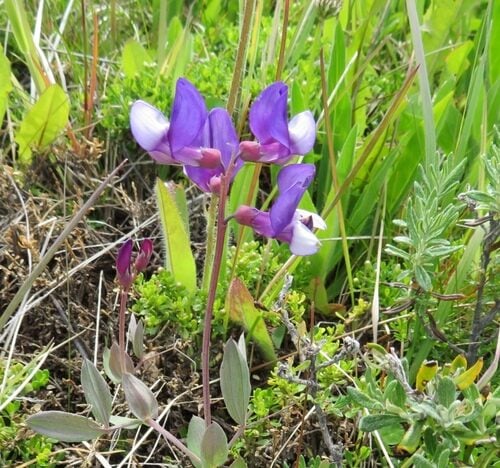
iNaturalist· cc-by-nc
(c) Mark Hyde, Bart Wursten and Petra Ballings, some rights reserved (CC BY-NC)
Summary
Source: WikipediaAlbizia glaberrima is a deciduous tree found in Tropical Africa. It belongs to the family Fabaceae. It is traded under the name 'white nongo' and it is well distributed in West, Central, East and parts of Southern Africa.
Description
A tree. It can grow 20 m tall. The crown is flat. The bark is smooth and grey. The flowers are white. The pods are oblong and 12-26 cm long by 3-4 cm wide. They are hairy. The seeds are 9-11 mm long and 6-7 mm wide and flattened.
Medicinal Uses
In parts of Northern Ghana, extracts are used as a cough suppressant while in Nigeria, stem bark extracts are soaked in water as preparation for a decoction to treat inflammation, pain management and fever. In Tanzania root extracts are prepared to treat schistosomiasis. The wood is used in making tool handles, beehives, mortars and in carpentry work for making beds and doors.
Distribution
It is a tropical plant.
Where It Grows
Africa, Angola, Côte d'Ivoire, Ghana, Guinea-Bissau, Ivory Coast, Kenya, Madagascar, Mozambique, Uganda, West Africa, Zimbabwe,
Cultivation
It can be grown from seed. They have a hard seed coat that needs to be broken.
Propagation
Seed - it has a hard seedcoat and may benefit from scarification before sowing to speed up germination. This can usually be done by pouring a small amount of nearly boiling water on the seeds (being careful not to cook them!) and then soaking them for 12 - 24 hours in warm water. By this time they should have imbibed moisture and swollen - if they have not, then carefully make a nick in the seedcoat (being careful not to damage the embryo) and soak for a further 12 hours before sowing.
Other Uses
The heartwood varies from dirty white to reddish brown, sometimes with darker stripes; it is distinctly demarcated from the white sapwood, which is up to 75mm wide. The grain is straight, sometimes interlocked, texture moderately coarse. The wood is moderately heavy, it saws and works well, with little blunting of saw teeth and tool edges. A reduced cutting angle is required to prevent tearing in planing operations. A filler is needed to obtain a smooth finish. The nailing, screwing and gluing properties are satisfactory. The wood does not turn well. It is moderately durable, with some resistance to termite attack, but susceptible to pinhole borers and marine borers. The wood is used for furniture, construction, stools, beehives, tool handles, grain mortars, doors and beds. It is also suitable for light and heavy flooring, interior trim, joinery, mine props, shipbuilding, vehicle bodies, railway sleepers, toys and novelties, boxes and crates, carving and plywood making. The wood is used for fuel and for making charcoal. A good shade tree, it is planted to provide shade in coffee, tea, banana and cocoa plantations.
Synonyms
Also Known As
Alukuaka, Keke-cama-cama, Kolibangba, Korosante, Mkenge maji, Muanza, Nete-cula, Okuro-fi, Tangalamara, Uarnana, White nongo
References (2)
- Lykke, A.M. & Padonou, E. A., 2019, Carbohydrates, proteins, fats and other essential components of food from native trees in West Africa. Heliyon 5 (2019) eo1744
- World Checklist of Useful Plant Species 2020. Royal Botanic Gardens, Kew