Khadia acutipetala
(N. E. Br.) N. E. Br.
Khadi root
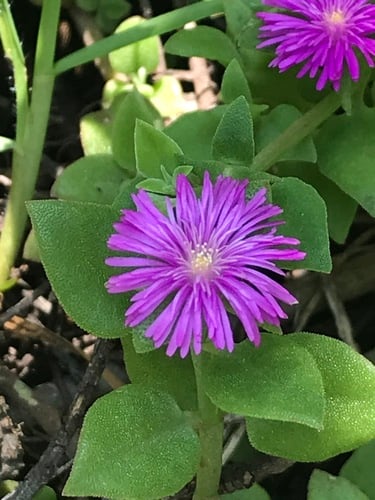
iNaturalist· cc-by-nc
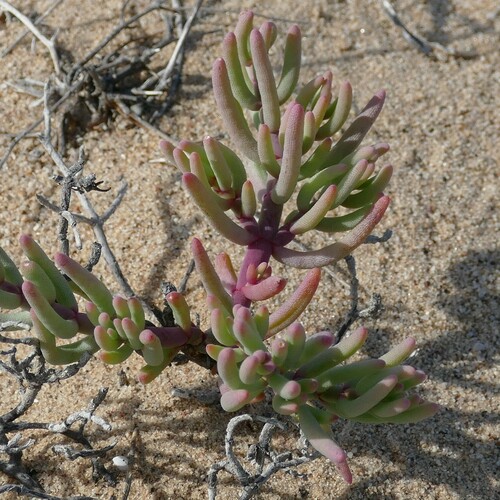
(c) Stephen Cousins, some rights reserved (CC BY-NC), uploaded by Stephen Cousins
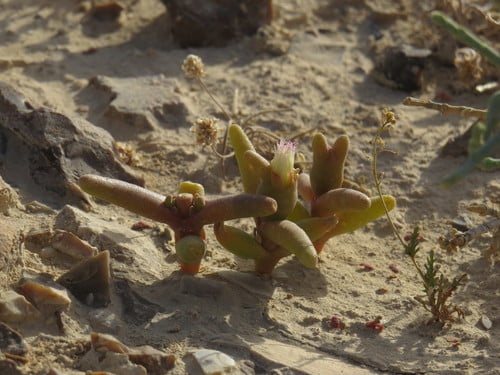
iNaturalist· cc-by-nc
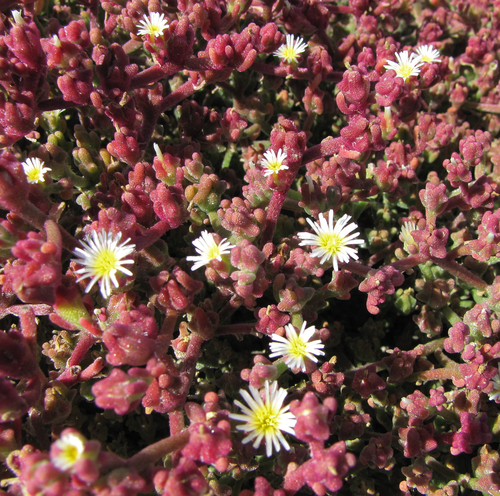
(c) georgfritz, some rights reserved (CC BY-NC)
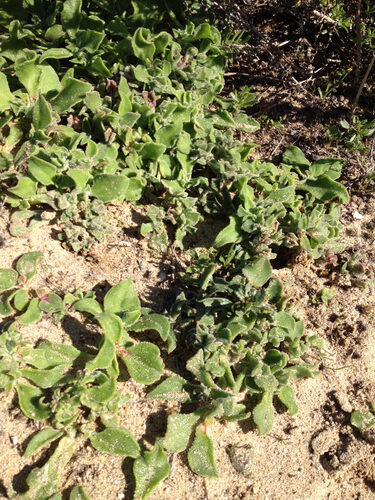
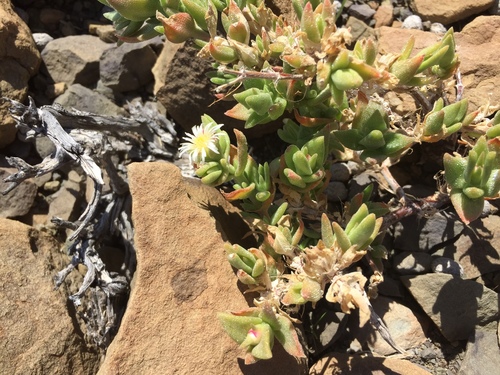
iNaturalist· cc-by-nc
(c) juddkirkel, some rights reserved (CC BY-NC)
Summary
Source: WikipediaKhadia acutipetala is a succulent plant that is part of the Aizoaceae family. The species is endemic to South Africa and occurs in Gauteng and the North West provinces.
Description
A small succulent plant. It grows 30 cm tall. It has a thickened rootstock and trailing branches develop from this. The leaves are triangle shaped and has sharp points. The flowers are pink to purple. They have cream centres.
Edible Uses
The roots are used to make a fermented drink, where they act as a natural yeast.
Traditional Uses
The roots are used to make a fermented drink. It acts like a yeast.
This uses section is brief — help expand it
Distribution
It is a subtropical plant.
Where It Grows
Africa, South Africa, Southern Africa,
Synonyms
Also Known As
Khadi wortel
References (8)
- Facciola, S., 1998, Cornucopia 2: a Source Book of Edible Plants. Kampong Publications, p 4
- Fox, F. W. & Young, M. E. N., 1982, Food from the Veld. Delta Books. p 268
- Gard. Chron. ser. 3, 89:279. 1931
- Lim, T. K., 2015, Edible Medicinal and Non Medicinal Plants. Volume 9, Modified Stems, Roots, Bulbs. Springer p 50
- Ruiters-Welcome, A. K., 2019, Food plants of southern Africa. Ph.D. thesis. Univ. of Johannesburg p 8
Show all 8 references Hide references
- van Wyk, Be., & Gericke, N., 2007, People's plants. A Guide to Useful Plants of Southern Africa. Briza. p 108
- Welcome, A. K. & Van Wyk, B.-E., 2019, An inventory and analysis of the food plants of southern Africa. South African Journal of Botany 122 (2019) 136–179
- World Checklist of Useful Plant Species 2020. Royal Botanic Gardens, Kew