Tunilla soehrensii
(Britton & Rose) D.R. Hunt & Iliff
Ayrampo
iNaturalist· cc0
no rights reserved
iNaturalist· cc-by-nc
(c) Martin Lowry, some rights reserved (CC BY-NC)
iNaturalist· cc-by-nc
(c) Martin Lowry, some rights reserved (CC BY-NC)
Description
A cactus. It is often a creeping plant and can lie along the ground. It develops roots from the edge of the growth. The stem segments are flattened. They are 6 cm long and can be curved or lumpy. There are many groups of spines. There can be 5-8 spines in a group and they can be 7 cm long. The flowers are yellow and 5.5 cm long. The fruit are 2.5 cm long. They have some spines.
Edible Uses
The small fruit are occasionally eaten fresh. The dried seeds, when placed in water, produce a violet dye traditionally used to colour jellies, wines, and other foods.
Traditional Uses
The dried seeds when placed in water produce a violet dye used to colour jellies, wines and other foods. The small fruit are occasionally eaten.
This uses section is brief — help expand it
Distribution
A tropical plant.
Where It Grows
Andes, Argentina, Bolivia, Chile, Peru, South America,
Synonyms
Also Known As
Aerampu
References (6)
- Anderson, E.F., 2001, The Cactus Family, Timber Press p 665
- Facciola, S., 1998, Cornucopia 2: a Source Book of Edible Plants. Kampong Publications, p 65 (As Opuntia soehrensii)
- Kermath, B. M., et al, 2014, Food Plants in the Americas: A survey of the domesticated, cultivated and wild plants used for Human food in North, Central and South America and the Caribbean. On line draft. p 884
- Kunkel, (As Opuntia soehrensii)
- The Edible Plants of the Atacama Desert : New Worlder (As Opuntia soehrensii)
Show all 6 references Hide references
- World Checklist of Useful Plant Species 2020. Royal Botanic Gardens, Kew
More from Cactaceae
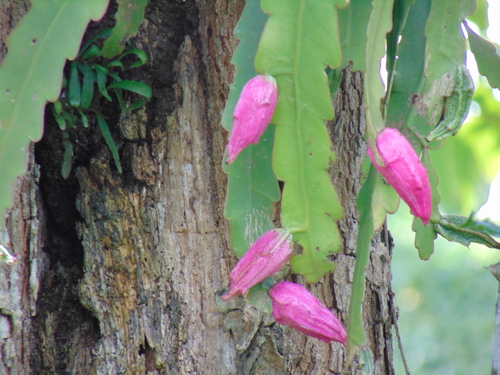
Epiphyllum phyllanthus
Alligator tail
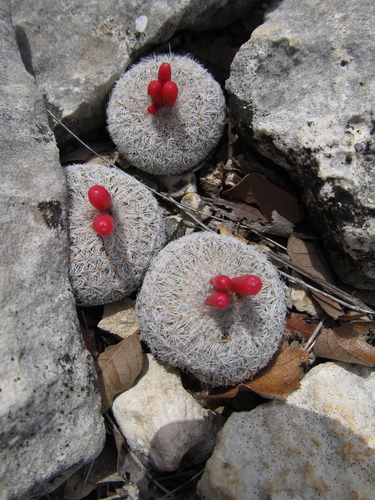
Epithelantha micromeris
Common button cactus
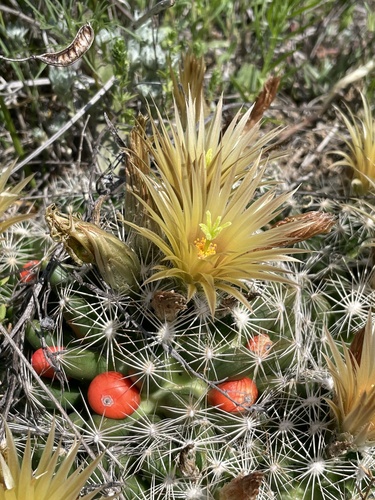
Escobaria missouriensis var. missiouriensis
Missouri foxtail cactus
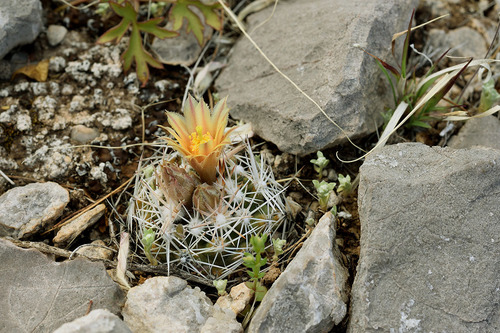
Escobaria robbinsorum
Cochise pincushion cactus, Cochise foxtail cactus
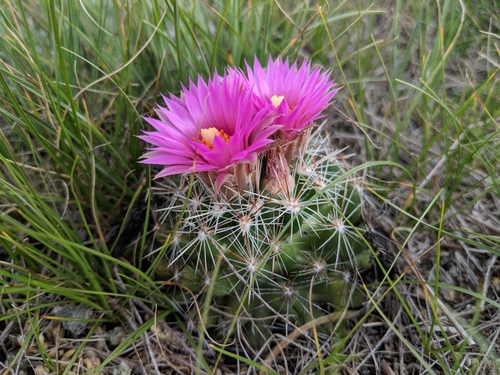
Escobaria vivipara
Cushion cactus, Ball cactus
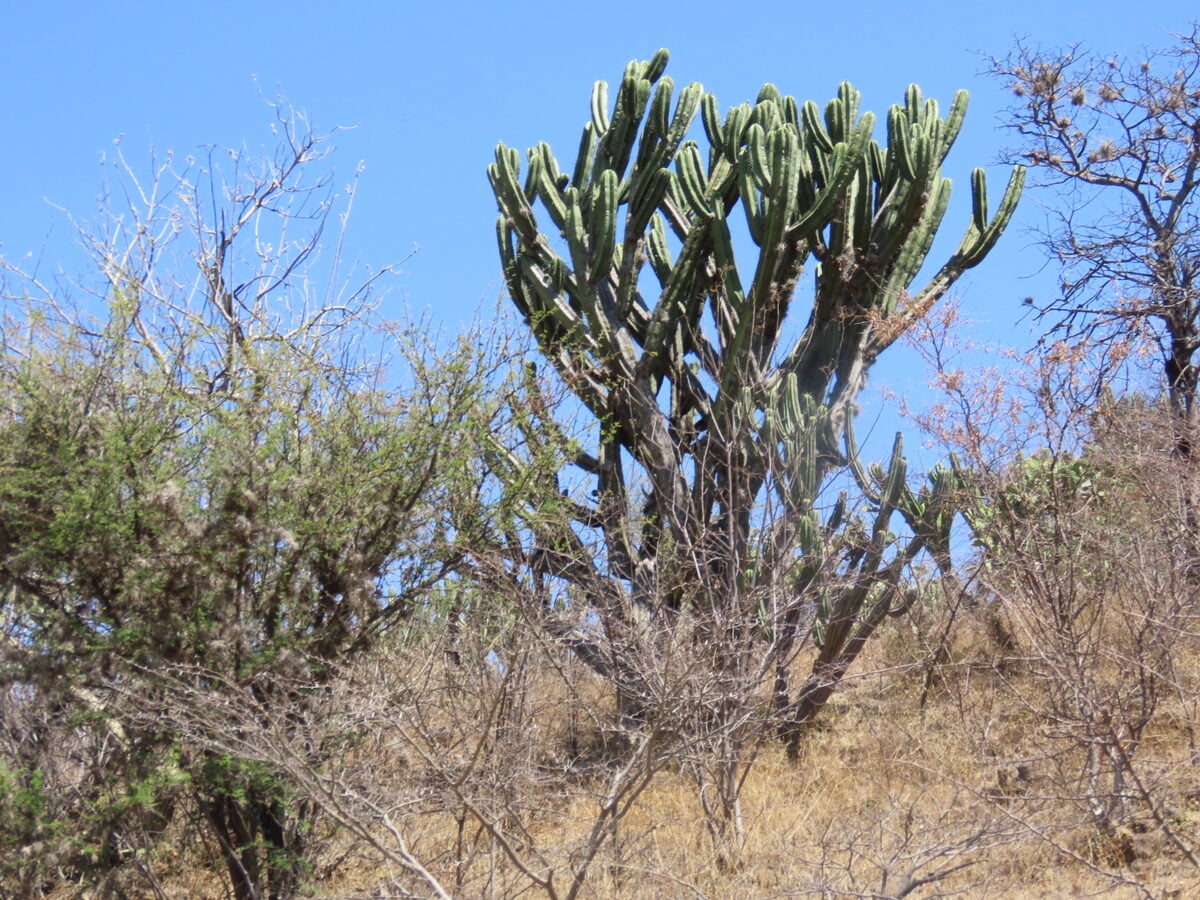
Escontria chiotilla - (A.A.Weber ex K.Schum.) Rose
Chiotilla, Jiotilla