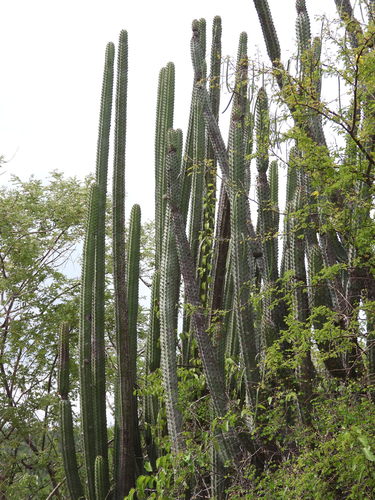
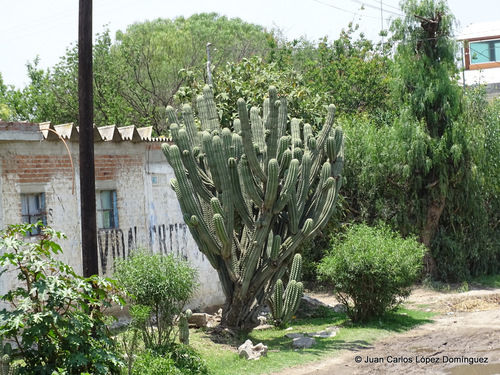
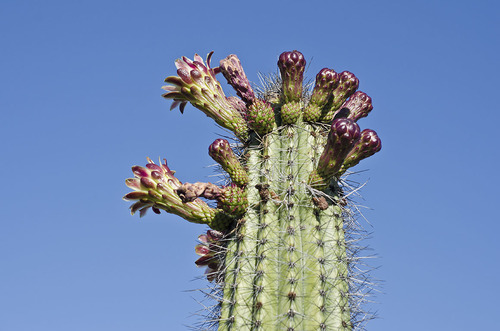
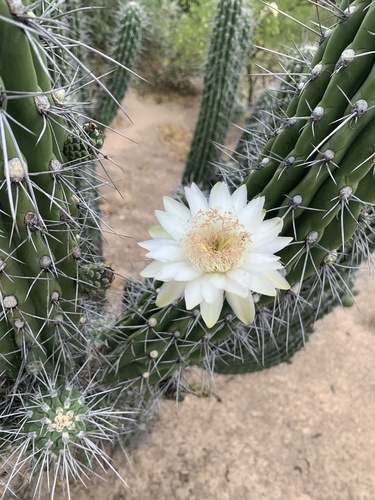
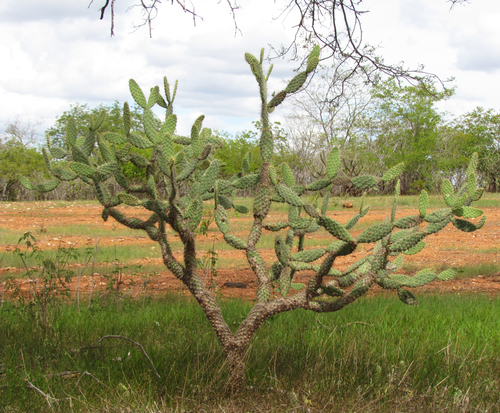
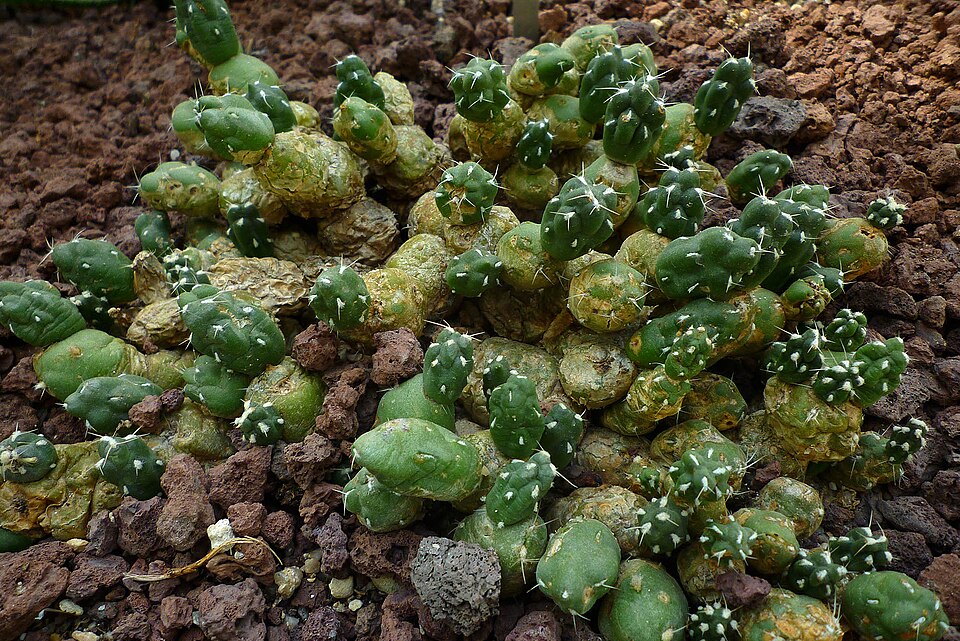
Selenicereus ocamponis
(Weing.) Hunt
iNaturalist· cc-by
(c) Tristán Franco, some rights reserved (CC BY)
iNaturalist· cc-by
(c) Tristán Franco, some rights reserved (CC BY)
iNaturalist· cc-by
(c) Tristán Franco, some rights reserved (CC BY)
Description
A cactus. The flowers are very large. They are 25 cm long. The fruit are bright red and oblong with large scales. The fruit are 10-15 cm long. The flesh is red with small black seeds.
Edible Uses
The fruits of a number of species of Selenicereus (particularly those formerly placed in Hylocereus) are eaten. Selenicereus undatus and Selenicereus triangularis are widely cultivated in the Americas, Europe and Asia for their fruits, known as pitayas or pitahayas in Spanish, and as dragon fruits in Asia. The fruit of Selenicereus setaceus is eaten in South America.
Distribution
It is a tropical plant.
Where It Grows
Mexico,
Cultivation
Selenicereus ocamponis is native to the warm and seasonally dry tropical regions in western Mexico. The fragrant flowers open during the night.
Propagation
Seed - Cuttings
Production
Fruit weigh 150-400 g.
Synonyms
Also Known As
Pitahaya
References (5)
- Cruz, I. M., et al, 2015, Edible fruits and seeds in the State of Mexico. Revista Mexicana de Ciencias Agricolas. Vol. 6. Num. 2 pp 331-346 (As Hylocereus purpusii)
- INFOODSUpdatedFGU-list.xls (As Hylocereus purpusii)
- Kew Plants of the World onLine
- Le Bellec, F., et al, 2006, Pitahaya (Hylocereus spp.): a new fruit crop, a market with a future. Fruits, Vol 61, p 237-250 (As Hylocereus purpusii)
- World Checklist of Useful Plant Species 2020. Royal Botanic Gardens, Kew