Soehrensia schickendantzii
(F.A.C. Weber) Schlumob.
wikimedia· cc-by-sa
Wikimedia Commons - Bachelot Pierre J-P
wikimedia· cc-by-sa
Wikimedia Commons - [https://www.flickr.com/people/7907645@N05 Beno�t Huron] from La Bastide de S�rou, France
Description
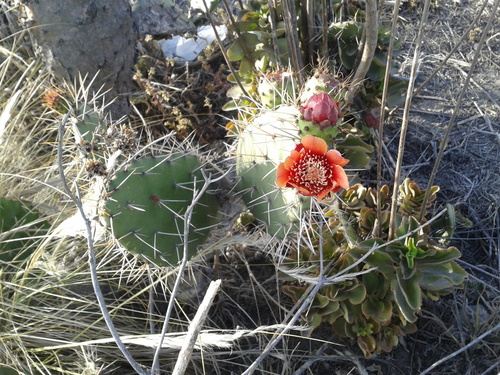
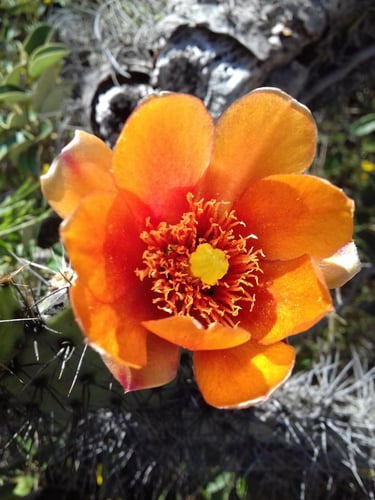
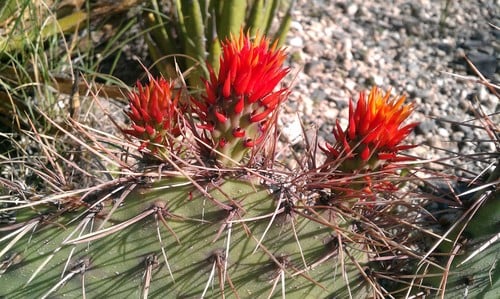
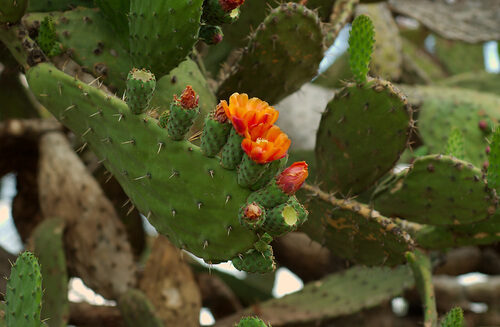
A cactus. It is a shrubby plant and can be single but is often branched and forming clumps. The stems are slender and cylinder shaped. They are a shiny light green. They can be 15-25 cm long and 6 cm wide. There are 14-18 ribs and these are low and notched. The buds for the spines are close together. The spines are flexible and 1 cm long. There are 4 spines in the centre and 9 around the edges. The flowers are at the tips of the stems and are funnel shaped and white. They are 20-22 cm long and do not have a scent. The fruit are edible.
Edible Uses
The fruit is eaten.
Distribution
It is a subtropical plant.
Where It Grows
Argentina, South America,
Synonyms
References (3)
- Anderson, E.F., 2001, The Cactus Family, Timber Press p 279 (As Echinopsis schickendantzii)
- Kermath, B. M., et al, 2014, Food Plants in the Americas: A survey of the domesticated, cultivated and wild plants used for Human food in North, Central and South America and the Caribbean. On line draft. p 874 (As Trichocereus schickendantzii)
- Martin, F. W., et al, 1987, Perennial Edible Fruits of the Tropics. USDA Handbook 642 p 90 (As Echinopsis schickendantzii)