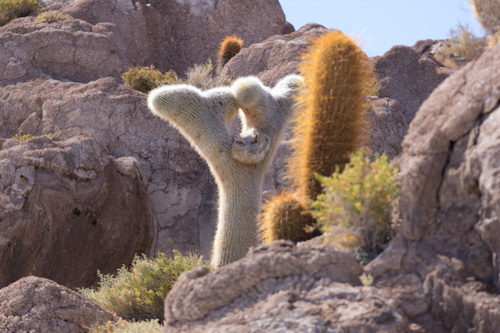
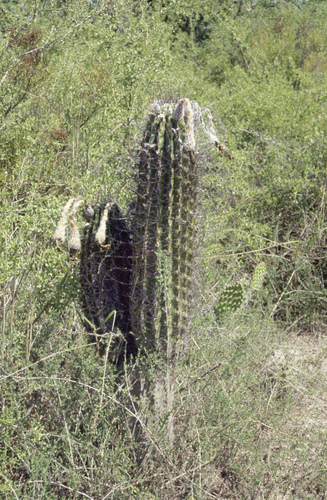
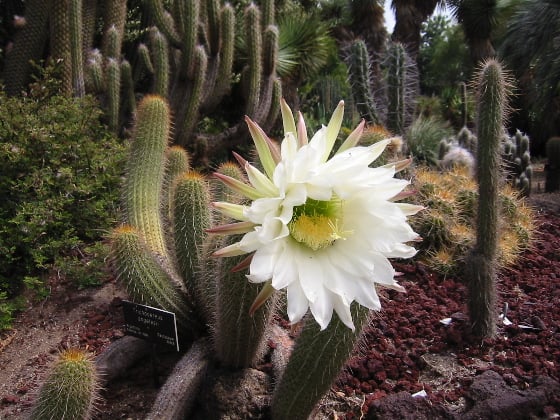
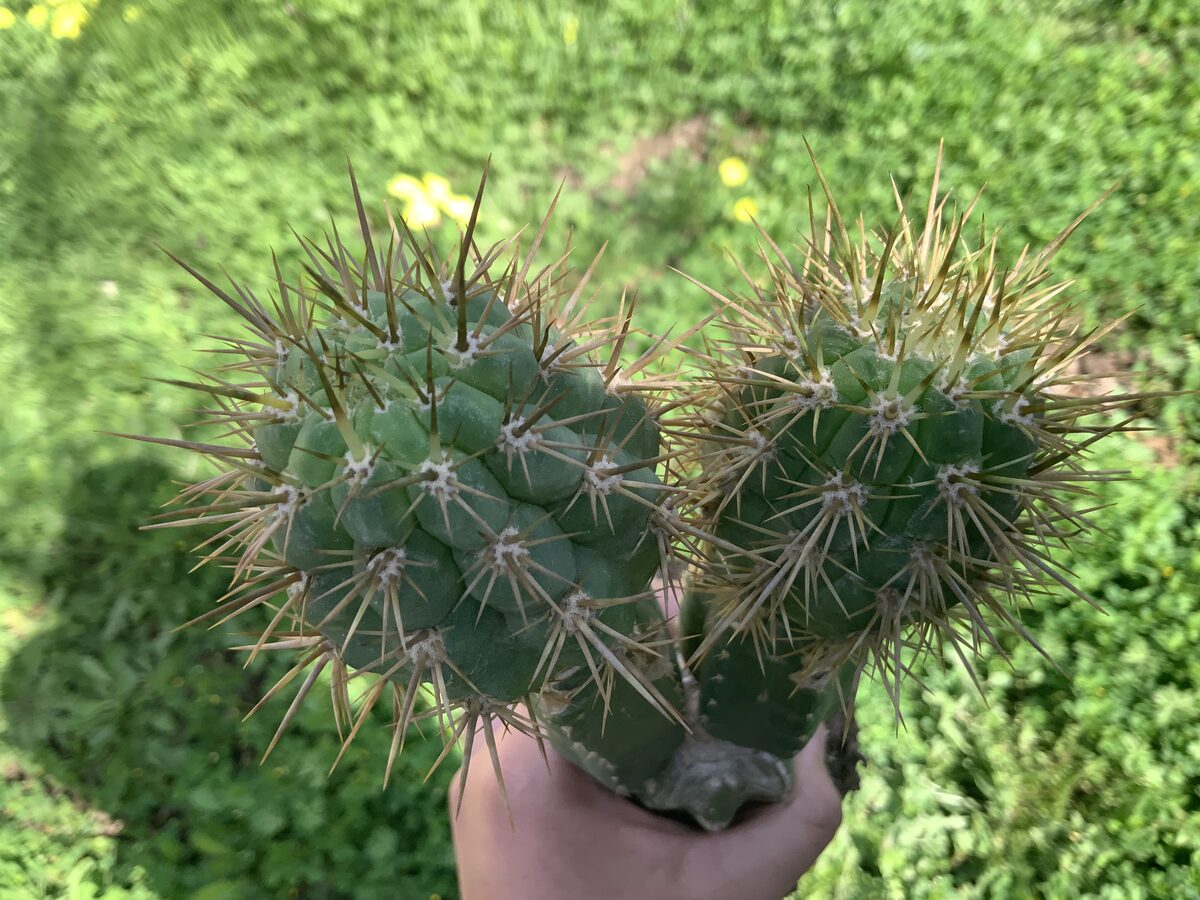
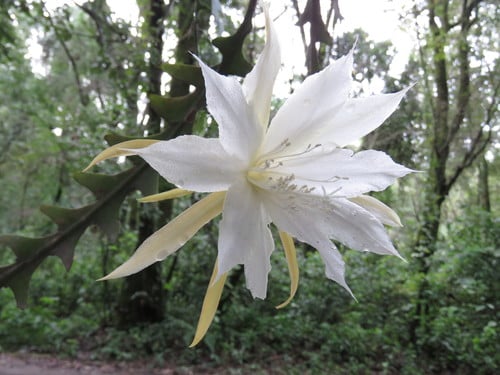
Selenicereus monacanthus
(Lem.) D. R. Hunt
iNaturalist· cc-by-nc-sa
(c) Barry Hammel, algunos derechos reservados (CC BY-NC-SA)
iNaturalist· cc-by
(c) Rob Williams, algunos derechos reservados (CC BY), subido por Rob Williams
iNaturalist· cc-by-nc
(c) Raúl Tomalá, algunos derechos reservados (CC BY-NC), subido por Raúl Tomalá
Summary
Source: WikipediaSelenicereus monacanthus, synonym Hylocereus monacanthus, is a species of plant in the family Cactaceae. It is native to parts of Central America and South America (Colombia, Costa Rica, Ecuador, Nicaragua, Panama, Peru, Trinidad and Tobago and Venezuela).
Description
A cactus in the Cactaceae family native to tropical regions, producing edible fruit.
This description is brief — help expand it
Edible Uses
Fruit - raw. A dark red, fleshy pulp with a slightly sweet, refreshing flavour. It can be used to make juices.The fruits are about 13cm in diameter.
Medicinal Uses
The leaves (stems?) are used to treat burns.
Distribution
It is a tropical plant.
Where It Grows
Central America, Colombia, Costa Rica, Ecuador, French Guiana, Guyana, Nicaragua, Panama, Peru, Suriname, Trinidad-Tobago, Venezuela,
Cultivation
A plant of the warm tropical lowlands with low to high rainfall. Plants can tolerate occasional short-lived frosts to -1°c. Often an epiphytic plant, though it also grows on the ground. Requires a well-drained soil and a pH of 6 or lower. The fragrant flowers open during the night.
Propagation
Seed - Stem cuttings
Other Uses
The plant (part not specified) is used as a red colouring. The fruit is used as a toy for children at carnival.
Synonyms
Also Known As
Ikiamanch, Mulata, Pitajaya
References (5)
- Caballero-Serrano, V., et al, 2019, Traditional ecological knowledge and medicinal plant diversity in Ecuadorian Amazon home gardens. Global Ecology and Conservation 17 (2019) e00524 p 9 (As Hylocereus polyrhizus)
- Kew Plants of the World Online
- Roa, J. A. G. & Boada, D. S. G., 2018, Fundación para el Fortalecimiento de la Fruticultura y Plantas Alimenticias no Convencionales en Colombia. (As Hylocereus monacanthus)
- Torre, de la, L., et al, 2008, Enciclopedia de las Plantas Útiles del Ecuador. Herbario QCA. Pontificia Universidad Católica del Ecuador. p 267 (As Hylocereus polyrhizus)
- World Checklist of Useful Plant Species 2020. Royal Botanic Gardens, Kew