Selenicereus costaricensis
(F.A.C. Weber) S. Arias & N. Korotkova ex Hammel
Pitahaya
iNaturalist· cc-by
(c) Eduardo Chacón Madrigal, some rights reserved (CC BY), uploaded by Eduardo Chacón Madrigal
iNaturalist· cc-by-nc
(c) Ariel F, some rights reserved (CC BY-NC), uploaded by Ariel F
iNaturalist· cc-by-sa
(c) Lena Struwe, some rights reserved (CC BY-SA), uploaded by Lena Struwe
Summary
Source: WikipediaSelenicereus costaricensis, synonym Hylocereus costaricensis, known as the Costa Rican pitahaya or Costa Rica nightblooming cactus, is a cactus species native to Central America and north-eastern South America. The species is grown commercially for its fruit, called pitaya or pitahaya, but is also an impressive ornamental vine with huge flowers. The species may not be distinct from Selenicereus monacanthus.
Description
A climbing cactus plant. The vines are vigorous and stout. They are waxy white. The fruit are round. It is like Hylocereus undatus but has bluish or grey-green stems. The edges are straight or slightly wavy. The flower buds purple. The fruit are bright red and 10 cm long. The flesh is red-purple. and there are many small black seeds.
Edible Uses
The flowers and fruit are edible. The fruit is noted to be high in folates at 24μg/100g.
Distribution
It is a tropical plant. It grows in wet areas.
Where It Grows
Central America, Colombia, Costa Rica, Hawaii, Nicaragua, Pacific, Panama, Peru, USA,
Cultivation
Plants can be grown from seeds or cuttings.
Production
Fruit weigh 250-600g.
Notes
Fruit are high in folates 24μg/100.
Synonyms
Also Known As
Flor de caliz, Pitajaya, Reina de la noche
References (12)
- Bernal, 2016, Catalogo de Plantas y Liquenes de Colombia, Volumen 1 p 1005 (As Hylocereus costaricensis)
- Contr. U.S. Natl. Herb. 12:428. 1909
- Chizmar Fernandez, C., et al, 2009, Plantas comestibles de Centroamerica. Instituto de Biodiversidad, Costa Rica. p 139 (As Hylocereus costaricensis)
- Flora of the Venezuelan Guayana www.mobot.org (As Hylocereus costaricensis)
- Kermath, B. M., et al, 2014, Food Plants in the Americas: A survey of the domesticated, cultivated and wild plants used for Human food in North, Central and South America and the Caribbean. On line draft. p 425 (As Hylocereus costaricensis)
Show all 12 references Hide references
- Kew Plants of the World Online
- Le Bellec, F., et al, 2006, Pitahaya (Hylocereus spp.): a new fruit crop, a market with a future. Fruits, Vol 61, p 237-250 (As Hylocereus costaricensis)
- Lyle, S., 2006, Discovering fruit and nuts. Land Links. p 249 (As Hylocereus costaricensis)
- Roa, J. A. G. & Boada, D. S. G., 2018, Fundación para el Fortalecimiento de la Fruticultura y Plantas Alimenticias no Convencionales en Colombia. (As Hylocereus costaricensis)
- Staples, G.W. and Herbst, D.R., 2005, A tropical Garden Flora. Bishop Museum Press, Honolulu, Hawaii. p 214 (As Hylocereus costaricensis)
- Striegel, L., et al, 2019, Promising Tropical Fruits High in Folates. Foods 2019, 8, 363; doi:10.3390/foods8090363. www.mdpi.com/journal/foods (As Hylocereus costaricensis)
- World Checklist of Useful Plant Species 2020. Royal Botanic Gardens, Kew (As Hylocereus costaricensis)
More from Cactaceae
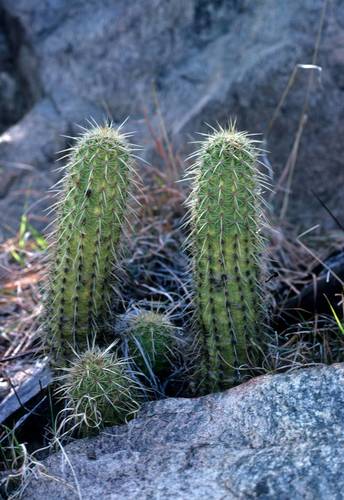
Echinocereus ledingii
Leding's hedgehog cactus
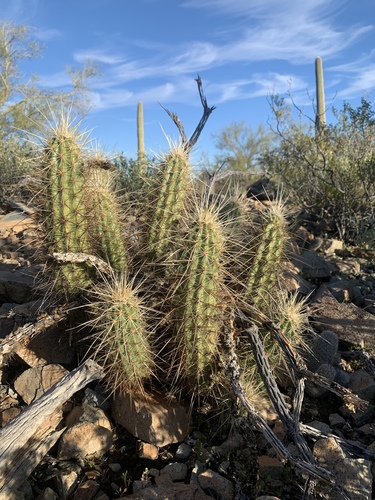
Echinocereus nicholii
Nichol's hedgehog cactus, Golden hedgehog cactus
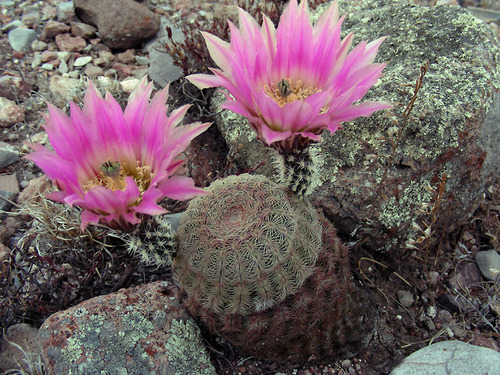
Echinocereus pectinatus
Rainbow cactus
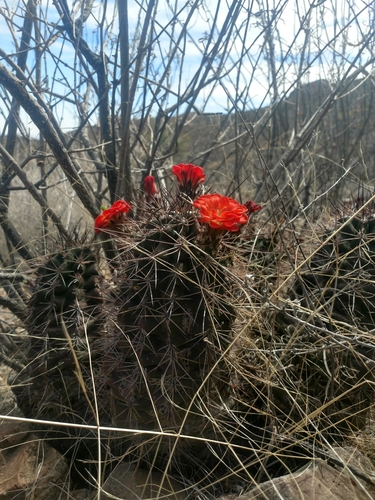
Echinocereus polyacanthus
Giant claret-cup cactus, Salmon-flowered hedgehog, Spiny hedgehog

Echinocereus pulchellus
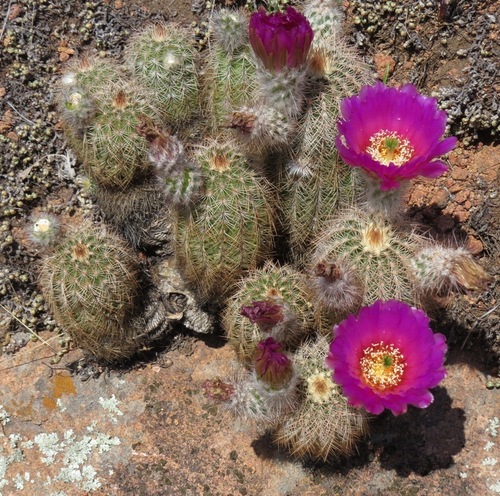
Echinocereus reichenbachii
Black lace cactus, Classen's cactus, Fitch's hedgehog cactus, Lace cactus, Merry widow cactus, Purple candle cactus