Spondias borbonica
(Lam.) Baker
Borbon ambarella tree
gbif· cc-by
GBIF
Description
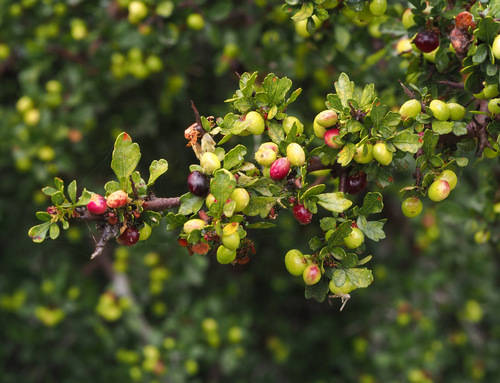
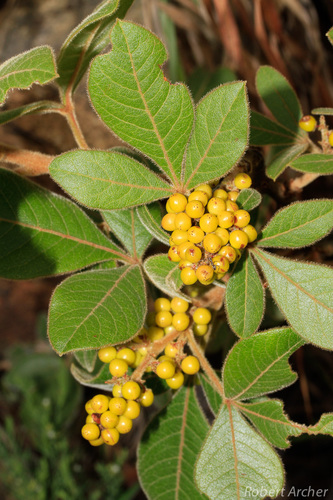
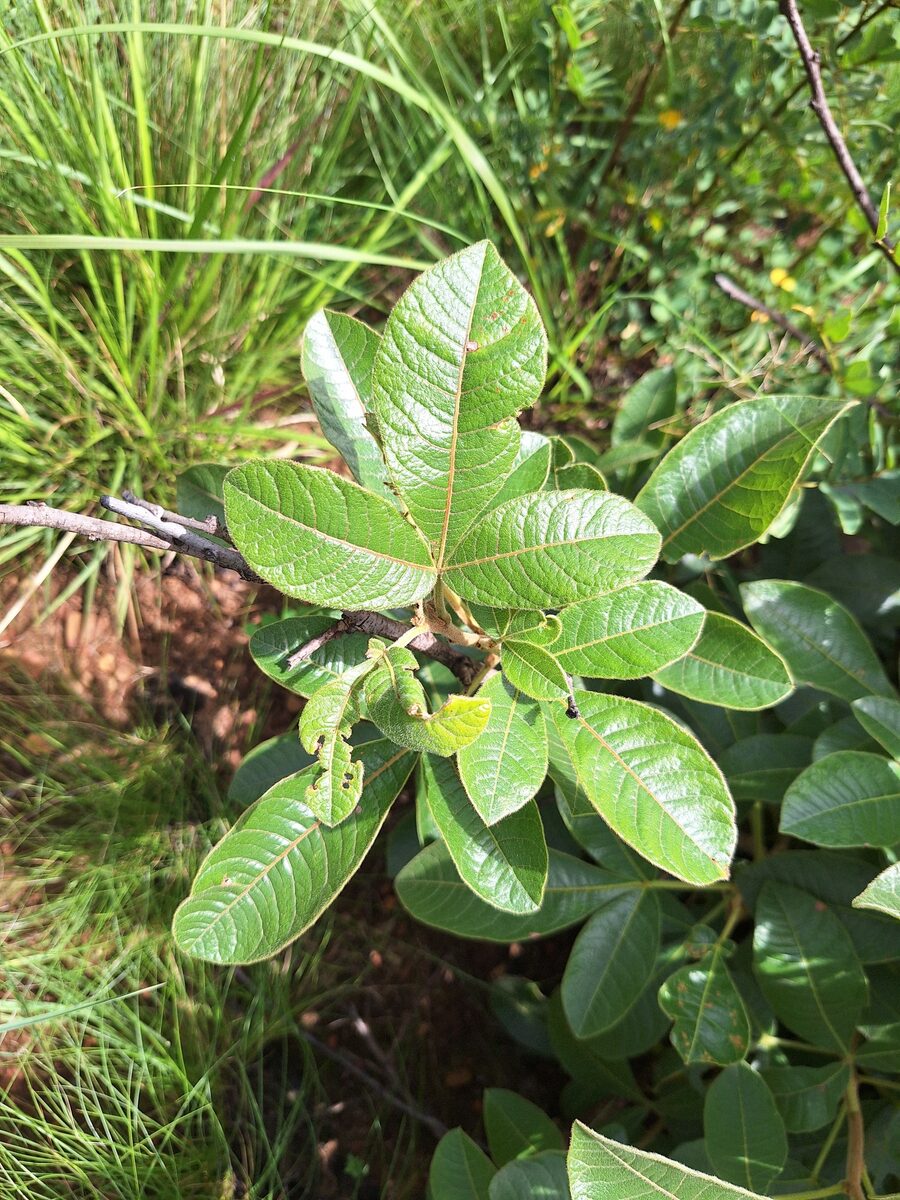
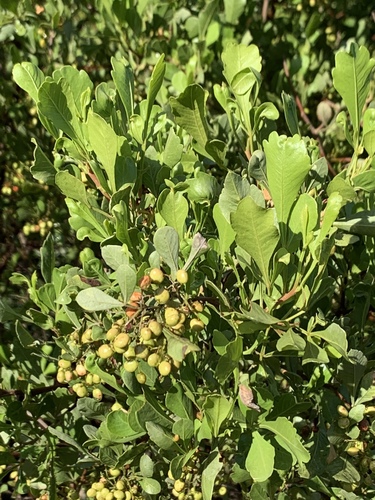
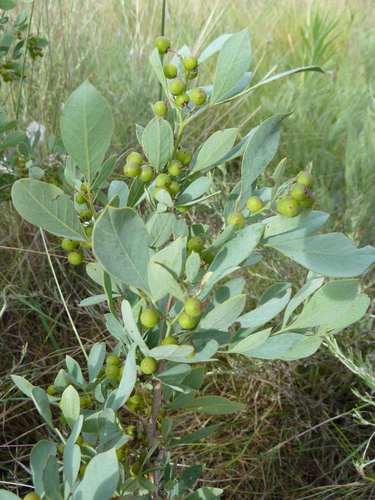
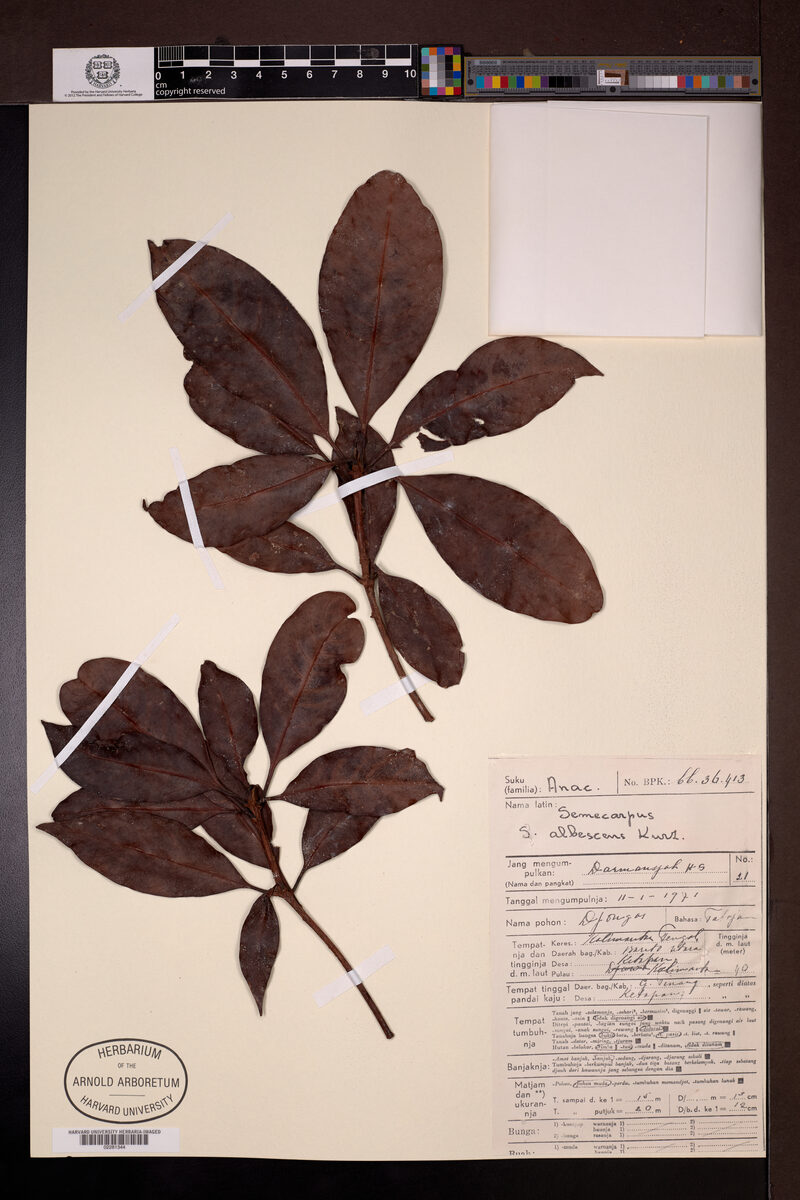
A large tree. It grows 24 m tall. The trunk is 70 cm across. It loses its leaves during the year. The bark is deeply furrowed. It is reddish brown and has spongy sections and red sap. The leaves are compound with leaflets along the stalk and one at the end. There are 6-8 pairs of leaflets and they are narrowly oval and 14 cm long. The base is unequal. There are slight teeth along the edge and the veins are red. The flowers are white to red and 5 mm across. They are in groups up to 18 cm long at the ends of branches. The fruit is oval and fleshy and 1.5 cm across. They are dark red to black when ripe. They have an oval stone that is white and has dense fibres. There are 1-5 seeds.
Edible Uses
The fruit are eaten.
Known Hazards
Trees grown in Florida have not flowered or produced fruit, indicating climatic limitations.
Distribution
It is a tropical plant. (Trees in Florida have not flowered or produced fruit.) It suits hot tropical regions and grows up to 1,800 m above sea level.
Where It Grows
Asia, Indonesia, Mauritius*, North America, Reunion*, SE Asia, USA,
Cultivation
Plants can be grown from seeds and also by budding and grafting.
Synonyms
Also Known As
Pohon kedondong borbon
References (2)
- Brevard Country Edible Acres
- Sukarya, D. G., (Ed.) 2013, 3,500 Plant Species of the Botanic Gardens of Indonesia. LIPI p 517