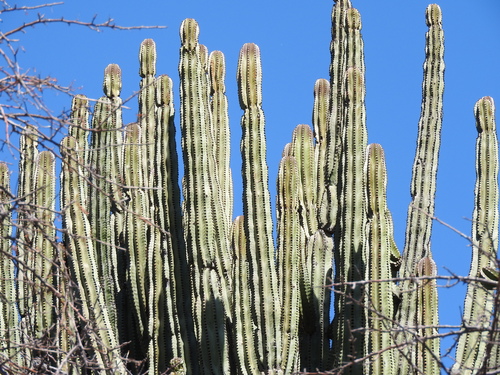
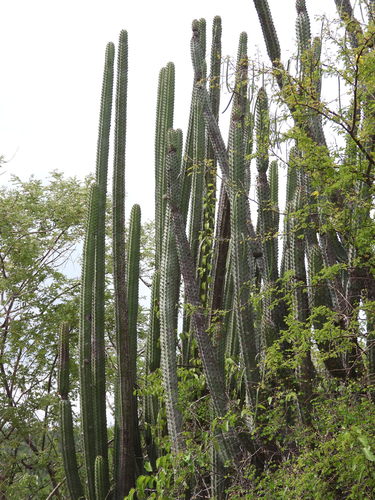
Pachycereus weberi
(J. M. Coulter) Backeberg
Candelabro, Cardon, Chico
iNaturalist· cc-by-nc
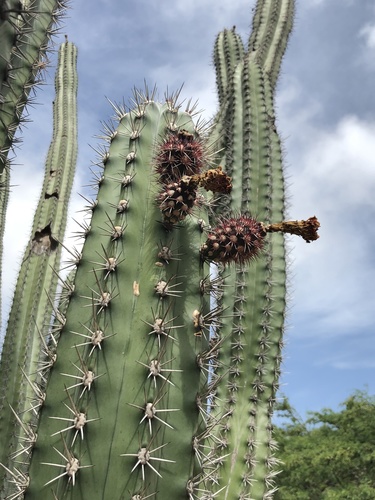
(c) cgrosete, some rights reserved (CC BY-NC)
iNaturalist· cc-by-nc
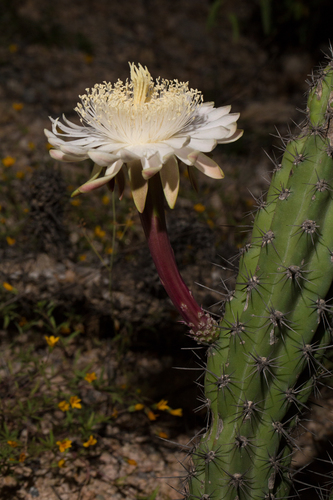
(c) Leticia Soriano Flores, some rights reserved (CC BY-NC), uploaded by Leticia Soriano Flores
iNaturalist· cc-by-nc
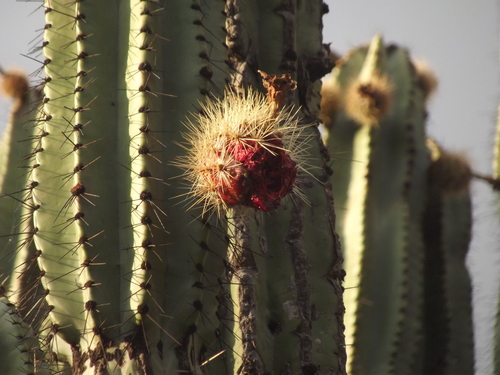
(c) Leticia Soriano Flores, some rights reserved (CC BY-NC), uploaded by Leticia Soriano Flores
Summary
Source: WikipediaPachycereus weberi is a columnar cactus plant native to Mexico.
Description
A tree-like cactus in the Cactaceae family with spiny fruits 6-7 cm long, native to subtropical regions where temperatures should remain above 15°C.
This description is brief — help expand it
Edible Uses
Fruit - raw or cooked. The fruits are mashed and added to water to make a fresh fruit drink. A red pulp. The purple-red, globose-ellipsoid fruits are 41 - 63mm long, 34 - 54mm in diameter. The seeds are ground into a powder and added to corn to make tortillas, or to make the sauce known as mole.
Traditional Uses
The fruit are used for juice. The seeds are eaten in stews. The seeds can be used to make flour.
This uses section is brief — help expand it
Distribution
A subtropical plant. They need an overwintering temperature above 15°C.
Where It Grows
Mexico, North America,
Cultivation
Requires a sunny position in a well-drained, circumneutral soil.
Other Uses
The trunks are sometimes used as table bases The wood is used in the construction of traditional houses. The wood is used for fuel.
Production
Plants take about 5 years before harvesting. They often do not flower in cultivation.
Other Information
Over 500 tons of fruit are harvested in Mexico.
Synonyms
Also Known As
Semilla de cardon
References (13)
- Anderson, E.F., 2001, The Cactus Family, Timber Press. p 537
- Andersohn, G., 1983, Cacti and Succulents. EP Publishing. p 69, 218 (As Lemaireocereus weberi)
- Arellanes, Y., et al, 2013, Influence of traditional markets on plant management in the Tehuacan Valley. Journal of Ethnobiology and Ethnomedicine 9:38
- Casas, A., et al, 2016, Ethnobotany for Sustainable Ecosystem Management: A Regional Perspective in the Tehuacán Valley. In Lira, R.,et al (eds.) Ethnobotany of Mexico. Springer Chp. 8 p 199
- Fouqué, A. 1972. Espèces fruitières d'Amérique tropicale. Institut français de recherches fruitierès outre-mer (As Lemaireocereus weberi)
Show all 13 references Hide references
- Gonzalez-Insuasti, M. S. and Caballero, J., 2007, Managing Plants Resources: How Intensive Can it be? Human Ecology, 35:303-314
- Gonzalez-Insuasti, M. S., et al, 2011, Intra-cultural Differences in the Importance of Plant Resources and Their Impact on Management Intensificaton in the Tehuacan Vallet, Mexico. Human Ecology 39:191-202
- Kermath, B. M., et al, 2014, Food Plants in the Americas: A survey of the domesticated, cultivated and wild plants used for Human food in North, Central and South America and the Caribbean. On line draft. p 478 (As Lemaireocereus weberi)
- Martin, F. W., et al, 1987, Perennial Edible Fruits of the Tropics. USDA Handbook 642 p 88 (As Lemaireocereus weberi)
- Perez-Negron, E., et al, 2014, Use of columnar cacti in the Tehuacan Valley, Mexico: perspectives for sustainable management of non-timber forest products. Journal of Ethnobotany and Ethnomedicine, 10:79
- Segura, S. et al, 2018, The edible fruit species in Mexico. Genet Resour Crop Evol (2018) 65:1767–1793
- World Checklist of Useful Plant Species 2020. Royal Botanic Gardens, Kew
- www.desert-tropicals.com