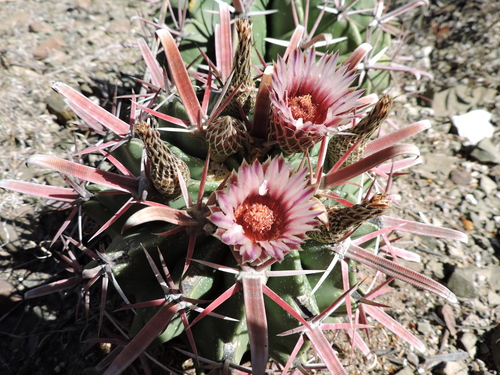
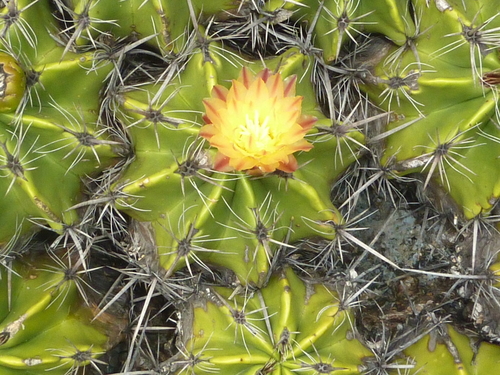
Pachycereus hollianus
(F. A. C. Weber ex J. M. Coult.) Buxb.
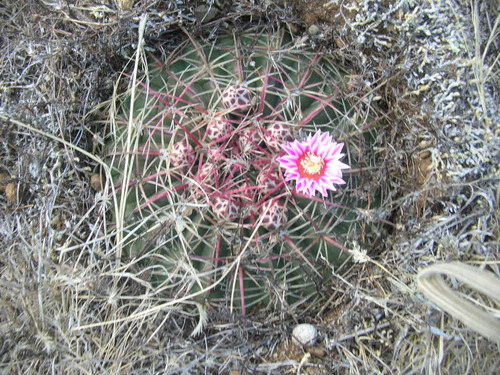
iNaturalist· cc-by-nc
(c) Alicia Mastretta Yanes, some rights reserved (CC BY-NC)
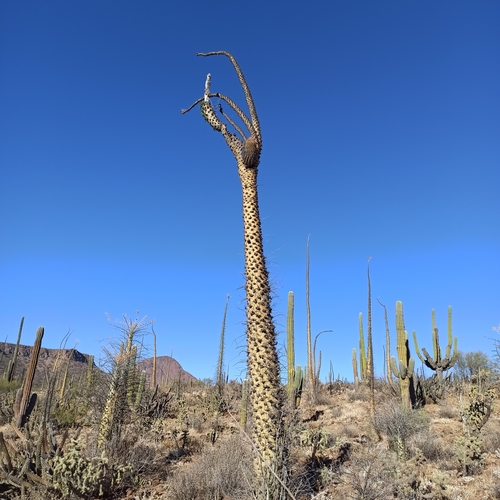
iNaturalist· cc-by-nc
(c) Barry Sullender, some rights reserved (CC BY-NC)
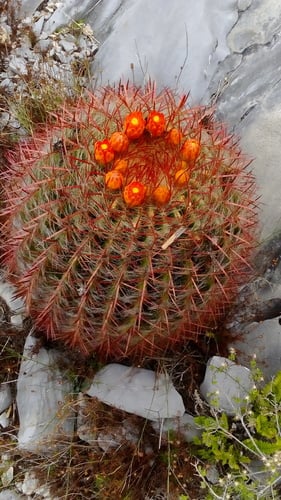
iNaturalist· cc-by-nc
(c) Barry Sullender, some rights reserved (CC BY-NC)
Summary
A medium-growth evergreen perennial reaching 4 m tall with 1 m spread, hardy to UK zone 10. Tolerates light sandy and medium loamy well-drained soils and can grow in nutritionally poor soil across various pH levels. Requires full sun and adapts to both dry and moist conditions with drought tolerance.
Description
A medium-growth evergreen perennial reaching 4 m tall with 1 m spread, hardy to UK zone 10. Tolerates light sandy and medium loamy well-drained soils and can grow in nutritionally poor soil across various pH levels. Requires full sun and adapts to both dry and moist conditions with drought tolerance.
Edible Uses
No edible uses are known. Some species in this genus have edible fruit or seeds, but no reference could be found confirming edible uses for Pachycereus hollianus specifically.
Medicinal Uses
None known.
Distribution
It is a tropical plant. It suits USDA hardiness zones 9-11.
Where It Grows
Mexico,
Propagation
Propagate by seed sown directly, or by stem cuttings — allow the cut surface to callous over before planting. The plant is viviparous, meaning it can also reproduce from buds that form plantlets while still attached to the parent plant.
Other Uses
Used as a living fence in agroforestry systems where trees or shrubs are grown around or among crops or pastureland. Also used in gardening as a fence, for landscaping, and as an ornamental. Drought-tolerant and suitable for xeriscaping.
Notes
It is an ambiguous name.
Also Known As
Acompes, Baboso
References (1)
- Casas, A., et al, 2016, Evolutionary Ethnobotanical Studies of Incipient Domestication of Plants in Mesoamerica. In Lira, R., et al, (eds.) Ethnobotany of Mexico, Ethnobiology. Springer p 258