Lannea schimperi
(Hochst. ex A. Rich.) Engl.
wikimedia· cc-by
Wikimedia Commons - TifNefertari
Description
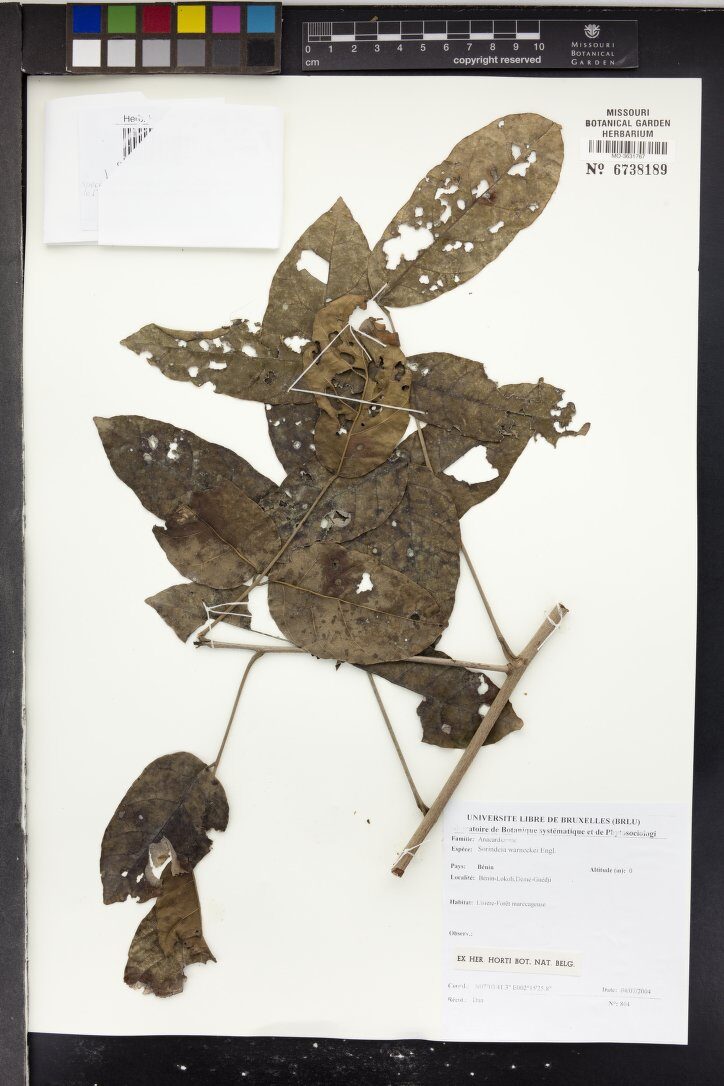
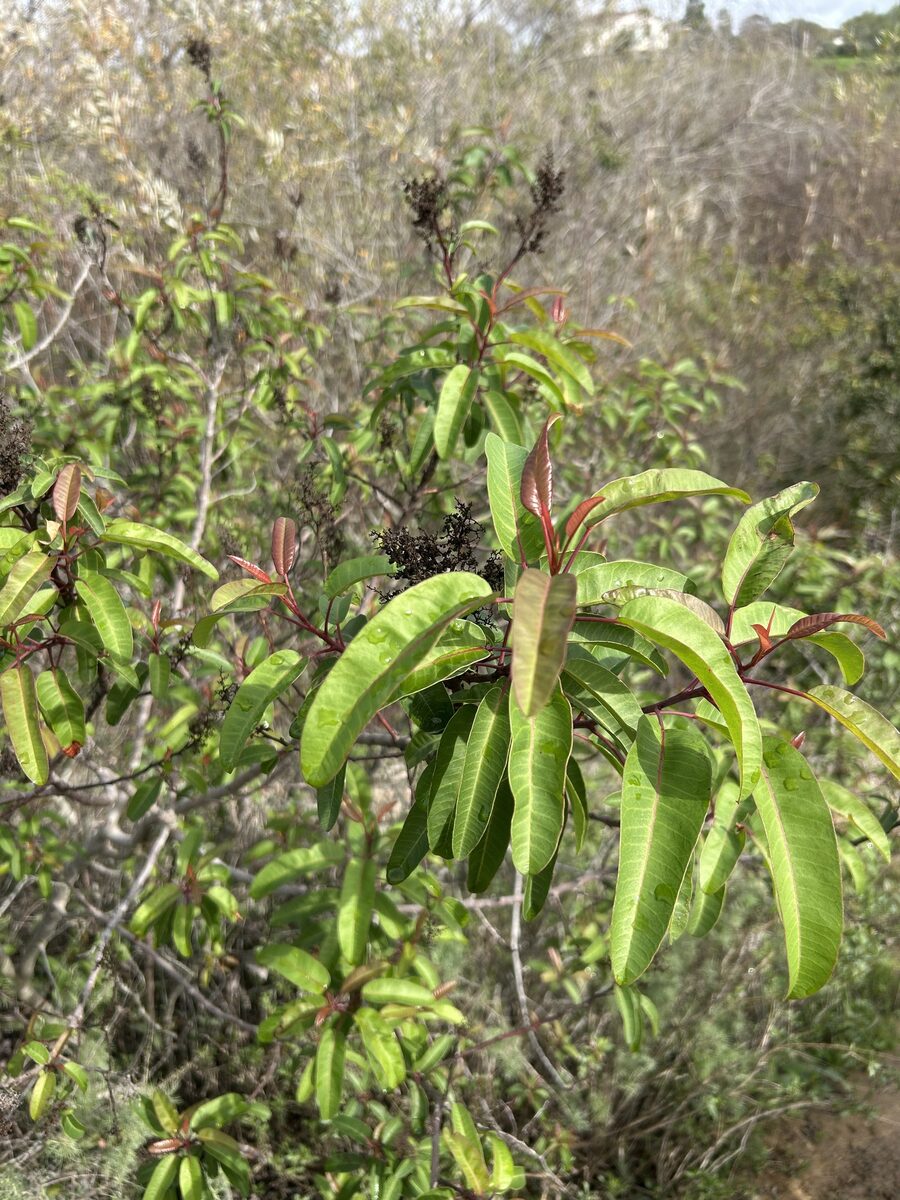
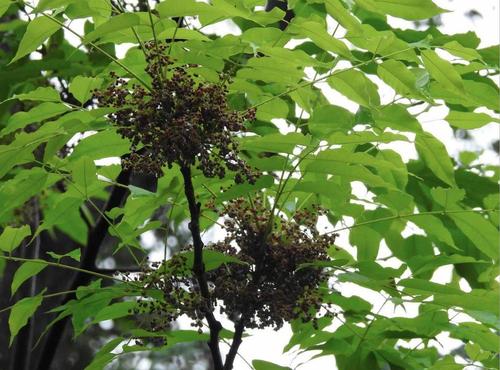
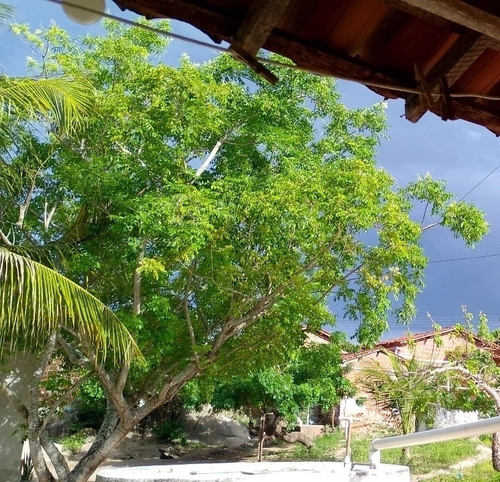
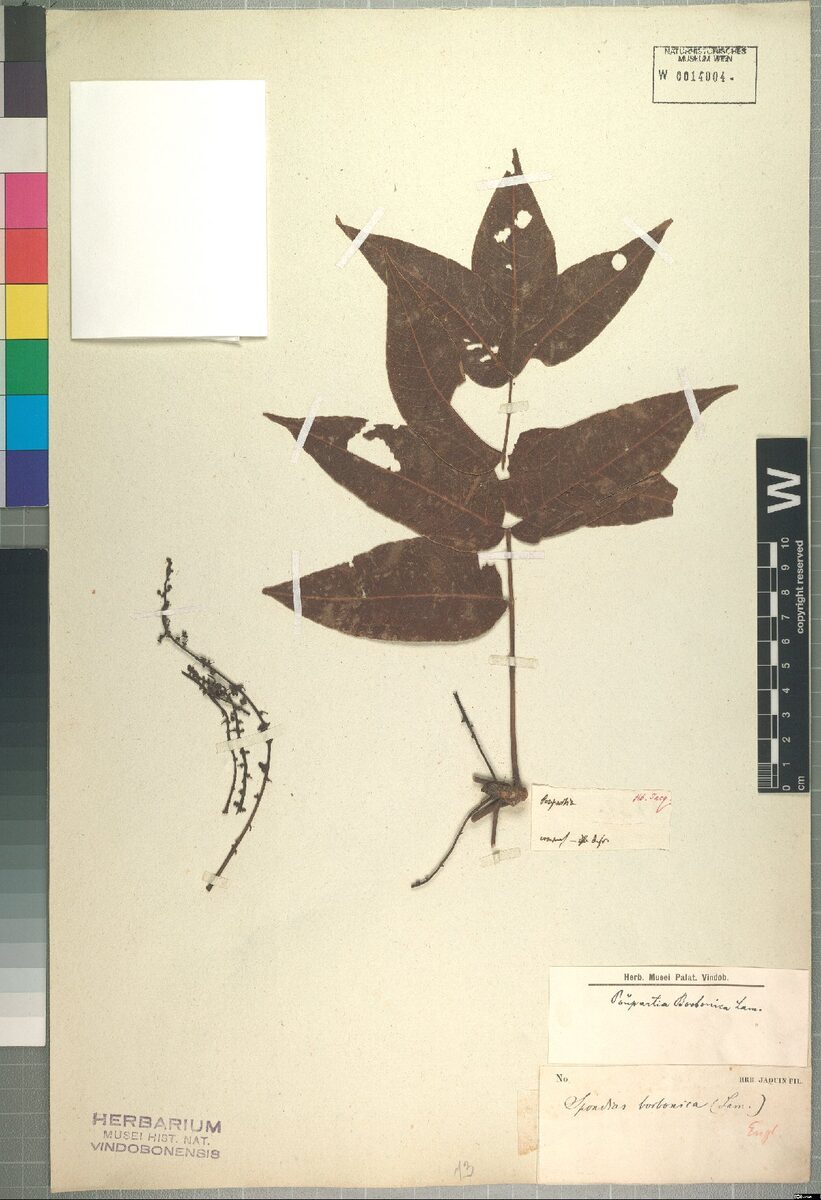
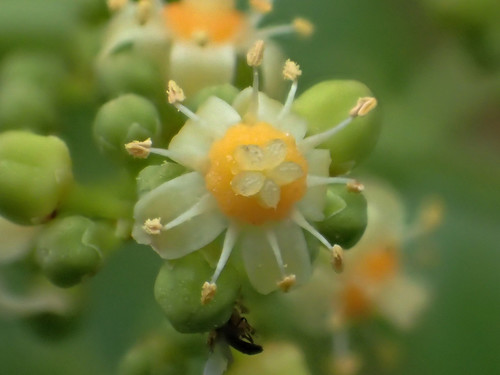
A small tree. It grows 8 m tall. The bark is dark and cracked into squares. The trunk is 45 cm across. The young leaves have a dense hairy brown covering, especially underneath. The leaves have 3-4 pairs of leaflets. The flowers are yellow and in narrow spike like groups. The fruit are about 1 cm across.
Edible Uses
The ripe fruit are eaten, and the seeds are edible. The inner bark is used to make tea.
Traditional Uses
The ripe fruit are eaten. The inner bark is used for tea.
This uses section is brief — help expand it
Medicinal Uses
The bark is used medicinally.
Distribution
A tropical plant. It grows in the lowlands and the highlands. It grows in the savannah in West Africa. In Kenya it grows on sandy soils between 750-1,900 m altitude. It is often on rocky hillsides.
Where It Grows
Africa, Cameroon, East Africa, Ethiopia, Kenya, Malawi, Mozambique, Nigeria, Rwanda, South Sudan, Sudan, Tanzania, Uganda, West Africa, Zambia, Zimbabwe,
Cultivation
Plants can be grown from cuttings.
Other Uses
The bark is used to make a string, rope and cordage. A gum is obtained from the trunk. It has no recorded usage. The whitish wood is soft, and very light in weight. It is said to be of no value. It is occasionally used in carpentry. The wood is used for fuel and is valued for charcoal production. The flowers are much visited by bees in search of nectar and may have some value as a bee-plant.
Notes
The bark is used in medicine.
Synonyms
Also Known As
Amzak, Anderaku, Atab-hassu, Cheprukwa, Cheprukwo, Chiumbu, Dareku, Dobbe, Dukit, Gumbel, Imimuna, Kaumbu, M'oooomboo, Mbuluzigi, Mghumbu, Mgumbu, Muwundu, Nachimbu, Ngikinywa, Oraiyta, Tsarmai, Tsarmaumo, Umumuuna
References (20)
- Asfaw, Z. and Tadesse, M., 2001, Prospects for Sustainable Use and Development of Wild Food Plants in Ethiopia. Economic Botany, Vol. 55, No. 1, pp. 47-62
- Ashagre, M., et al, 2016, Ethnobotanical study of wild edible plants in Burji District, Segan Area Zone of Southern Nations, Nationalities and Peoples Region (SNNPR), Ethiopia. Journal of Ethnobiology and Ethnomedicine (2016) 12:32
- Assefa, A. & Abebe, T., 2010, Wild Edible Trees and Shrubs in the Semi-arid Lowlands of Southern Ethiopia. Journal of Science and Development 1 (1) 2010
- Bigirimana, C., et al, 2016, Utilisation of Indigenous Fruit Tree Species within the Lake Victoria Basin, Rwanda. Agricultural Science: An International Journal. (AGRIJ) Vol. 1, No. 1
- Burkill, H. M., 1985, The useful plants of west tropical Africa, Vol. 1. Kew.
Show all 20 references Hide references
- Fowler, D. G., 2007, Zambian Plants: Their Vernacular Names and Uses. Kew. p 7
- Hedrick, U.P., 1919, (Ed.), Sturtevant's edible plants of the world. p 444
- http://www.fao.org/forestry/25323-096344a3de335832e8f363c3ac5184a66.pdf
- INFOODS:FAO/INFOODS Databases
- Johns, T., Mhoro, E. B. and Sanaya, P., 1996, Food Plants and Masticants of the Batemi of Ngorongoro District, Tanzania. Economic Botany, Vol. 50, No. 1, pp. 115-121
- Le Houerou, H. N., (Ed.), 1980, Browse in Africa. The current state of knowledge. International Livestock Centre for Africa, Ethiopia. p 161
- Lulekal, E., et al, 2011, Wild edible plants in Ethiopia: a review on their potential to combat food insecurity. Afrika Focus - Vol. 24, No 2. pp 71-121
- Maundu, P. et al, 1999, Traditional Food Plants of Kenya. National Museum of Kenya. 288p
- Moksia, F., et al, 2019, Diversity and Socio-Economic Value of Wild Edible Plants in the Mounts Mandara Region, Cameroon. International Journal of Sciences. Vol. 8:10
- Mutie, F. G., 2020, Conservation of Wild Food Plants and Their Potential for Combatting Food Insecurity in Kenya as Exemplified by the Drylands of Kitui County. Plants 2020, 9, 1017
- Mutie, F. M., et al, 2023, Important Medicinal and Food Taxa (Orders and Families) in Kenya, Based on Three Quantitative Approaches. Plants 2023, 12, 1145
- Njana, M. A., et al, 2013, Are miombo woodlands vital to livelihoods of rural households? Evidence from Urumwa and surrounding communities, Tabora, Tanzania. Forests, Trees and Livelihoods, 22:2, 124-140
- Termote, C., et al, 2014, Assessing the potential of wild foods to reduce the cost of a nutritionally adequate diet: An example from eastern Baringo District, Kenya. Food and Nutrition Bulletin, vol. 35, no. 4
- Williamson, J., 2005, Useful Plants of Malawi. 3rd. Edition. Mdadzi Book Trust. p 151
- World Checklist of Useful Plant Species 2020. Royal Botanic Gardens, Kew